

Pakistani trucks are famous for their bright colours, detailed paintings, beautiful patterns, and creative decorations. These vehicles are more than just a way to transport goods from one place to another. They represent the country's culture, traditions, creativity, and artistic identity. One interesting question that many people ask is: who creates these beautiful designs, and how do they learn this special skill? 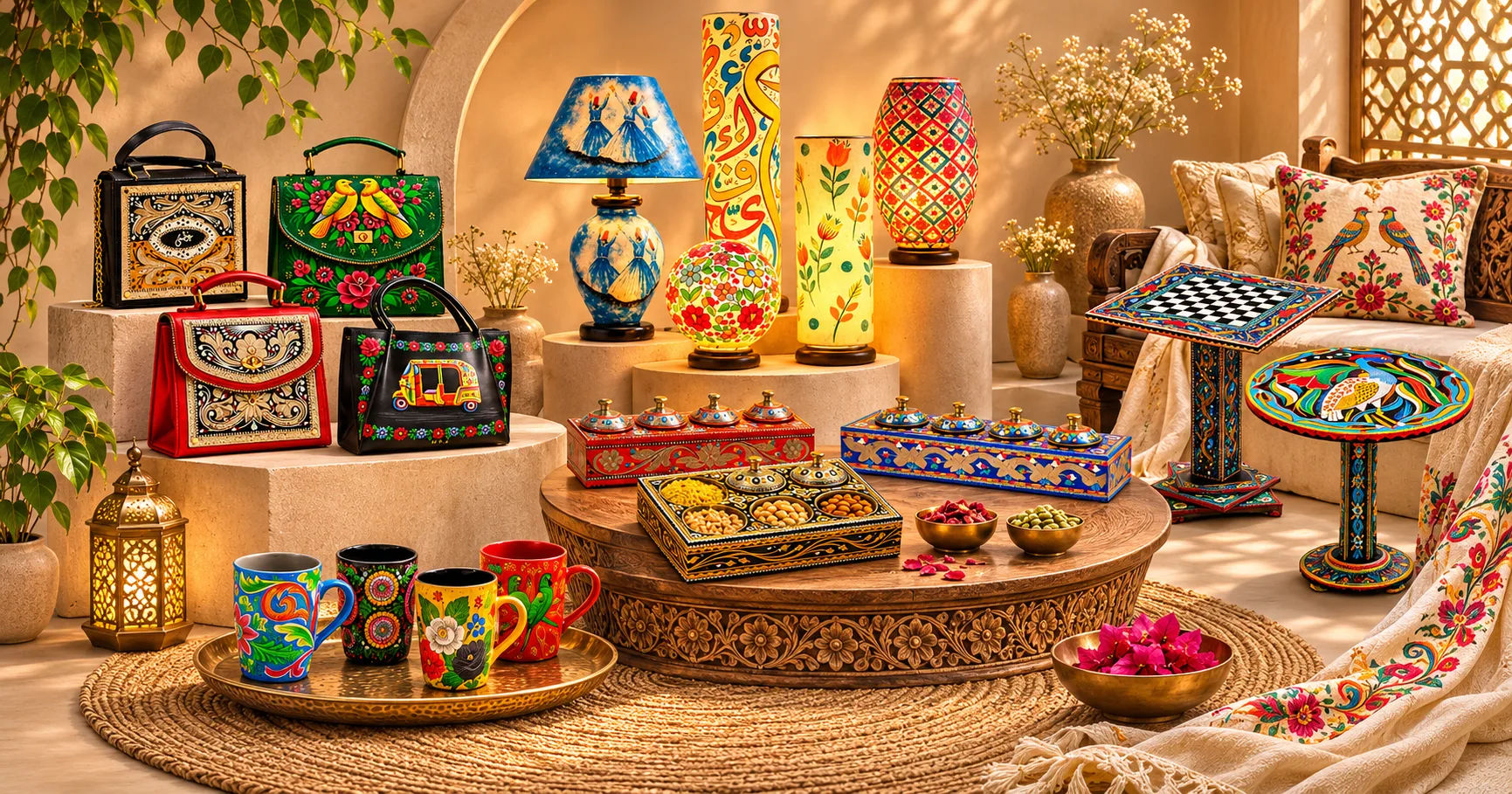 The answer lies with talented artists who dedicate their time and effort to decorating trucks.
The people behind pakistani truck art are skilled painters, traditional craftsmen, calligraphers, designers, and decorators. Many of them work in small workshops located near transport markets and truck repair areas. They use traditional techniques passed down through generations while also introducing modern designs. Their work requires patience, imagination, technical ability, and a deep understanding of colours and cultural symbols.
Truck painters are often less recognised than other professional artists, but their contribution to Pakistani culture is remarkable. They transform ordinary vehicles into moving works of art that attract attention on highways, streets, and international exhibitions. Understanding who these artists are helps us appreciate the people and traditions behind this colourful cultural expression.
1. Professional Truck Painters
Professional truck painters are the main artists responsible for creating the colourful appearance of Pakistani trucks. They specialise in painting different sections of vehicles, including cabins, doors, back panels, and metal surfaces.
Their work involves much more than simply applying paint. They carefully select colours, prepare surfaces, create designs, and ensure that every part of the vehicle looks attractive.
Many painters work in specialised workshops where truck owners bring their vehicles for decoration. Some workshops employ several artists, with each person responsible for a particular type of painting or decoration.
Professional painters usually develop their skills through years of experience. They learn how different paints behave, how to create balanced colour combinations, and how to produce detailed patterns.
Their artistic contribution makes pakistani truck art recognisable throughout the country and beyond.
2. Traditional Artists and Family Workshops
A large number of truck painters come from families with long histories of artistic work. In some communities, painting and decorating vehicles have become family occupations.
Children often observe their parents, older brothers, or relatives working in workshops. They gradually become familiar with painting tools, colours, brushes, and traditional patterns.
Instead of learning everything through formal education, many young artists receive practical training directly from experienced family members.
Learning Through Generations
Traditional knowledge plays an important role in keeping this art alive. Older painters teach younger generations how to create flowers, birds, landscapes, geometric patterns, and decorative borders.
They also explain which colours work well together and how different designs can be arranged across a vehicle.
This learning process helps preserve artistic traditions while allowing younger painters to introduce their own ideas.
Family-Owned Workshops
Family workshops are common in areas where vehicle decoration is an established business. Several relatives may work together, sharing responsibilities and completing different stages of a project.
One person might prepare the surface, another may paint flowers, and someone else may complete lettering or decorative details.
These workshops help maintain traditional techniques and provide employment opportunities for younger family members.
3. Artists from Karachi
Karachi is one of Pakistan's important centres for truck decoration and commercial vehicle painting. The city has a large transportation industry, creating opportunities for skilled painters and decorators.
Artists working in Karachi often handle different types of vehicles, including trucks, buses, and delivery vehicles.
They create colourful designs according to the preferences of vehicle owners. Some customers prefer traditional floral patterns, while others request modern graphics, portraits, or customised lettering.
Karachi's diverse population also influences the designs produced by local painters. Artists may combine traditional Pakistani patterns with contemporary visual styles.
Many workshops operate around transport and industrial areas, where vehicle owners can find painters, metalworkers, carpenters, and other craftsmen.
The city's artistic environment helps keep this traditional craft connected to modern commercial needs.
4. Artists from Rawalpindi and Peshawar
Rawalpindi and Peshawar are also associated with traditional vehicle decoration. Artists from these regions contribute to the variety of styles found in Pakistani trucks.
Peshawar, in particular, has a strong connection with traditional craftsmanship. Decorative painting, detailed lettering, and colourful patterns are important features of the region's artistic traditions.
Artists often create designs influenced by local culture, historical imagery, poetry, and regional decorative styles.
Rawalpindi also has workshops where painters work on commercial vehicles and develop customised decorations.
Although artists in different cities may use similar techniques, their designs can reflect different cultural influences and customer preferences.
These regional differences make the country's truck decoration tradition especially interesting.
5. Different Types of Artists Involved in Truck Decoration
Truck decoration is usually a team effort rather than the work of one individual. Several types of craftsmen contribute their skills to complete a decorated vehicle.
A. Surface Painters
Surface painters prepare and paint the main sections of trucks. They apply base colours and backgrounds before detailed artwork begins.
Their work provides the foundation for the complete design. A properly painted background makes decorative patterns more visible and attractive.
B. Floral and Nature Artists
Some artists specialise in painting flowers, birds, butterflies, trees, mountains, and other natural elements.
These images are among the most recognisable features of traditional truck decoration.
Floral artists use different brush sizes to create small details and large decorative arrangements. Their work requires careful control because even minor mistakes can affect the overall appearance.
C. Portrait Artists
Portrait painters create images of famous personalities, historical figures, religious personalities, and other subjects chosen by vehicle owners.
Their work requires drawing ability and an understanding of facial proportions.
Portraits are often placed on truck doors or rear panels, where they can be easily seen.
D. Calligraphers and Lettering Artists
Calligraphers create decorative writing, including Urdu poetry, cultural expressions, religious messages, and short sayings.
Their lettering gives trucks a personal identity and allows drivers to express their thoughts.
Some artists specialise in traditional Urdu lettering, while others use modern fonts and decorative styles.
E. Metal and Wood Decorators
Not every person involved in truck decoration is a painter. Metalworkers and woodworkers also contribute to the final appearance.
They create decorative structures, carved panels, metal ornaments, and other features that complement the painted designs.
Their work adds texture and depth to the vehicle.
6. How Do Truck Artists Learn Their Skills?
Most traditional truck artists develop their abilities through practical experience. Some may attend art schools, but formal education is not necessary for entering this profession.
Learning usually begins with observing experienced painters and understanding basic artistic techniques.
Apprenticeships
An apprenticeship is one of the most common ways to learn this craft.
Beginners work alongside experienced artists and gradually receive more responsibilities. At first, they may prepare materials, clean brushes, or paint simple backgrounds.
As their confidence improves, they begin creating flowers, borders, lettering, and more complicated designs.
Self-Learning and Experimentation
Some artists develop their skills independently. They observe decorated vehicles, study photographs, practise drawing, and experiment with different colour combinations.
Modern technology has made it easier for young painters to explore new designs and learn from artists in other regions.
Experience and Practice
Experience is essential because truck painting involves working on large, uneven surfaces.
Artists must understand how to create designs that remain attractive from different viewing distances. They also need to work carefully around vehicle doors, windows, lights, and other parts.
Regular practice helps them develop speed, accuracy, and artistic confidence.
7. What Inspires Pakistani Truck Painters?
Artists find inspiration in many aspects of everyday life. Their designs often reflect the culture, traditions, environment, and personal experiences of the people around them.
Some common sources of inspiration include:
Nature: Flowers, birds, butterflies, mountains, rivers, and trees are frequently used in decorative paintings.
Regional culture: Artists include patterns and visual elements associated with different Pakistani regions.
Poetry: Urdu poetry and short messages allow painters to communicate emotions and ideas.
History: Historical personalities and cultural symbols provide subjects for portraits and decorative illustrations.
Religion: Religious messages and symbolic designs are included according to the preferences of vehicle owners.
Modern culture: Some artists use contemporary graphics, popular visual styles, and customised designs.
This combination of influences allows traditional craftsmanship to develop without losing its cultural identity.
8. Tools and Materials Used by Truck Painters
Professional truck artists use several tools and materials to complete their work. The selection depends on the design, vehicle surface, budget, and customer requirements.
Common materials include:
-
Paints: Different types of paints provide bright colours and durable finishes.
-
Brushes: Artists use brushes of various sizes for backgrounds, outlines, and detailed patterns.
-
Spray equipment: Spray tools help create smooth backgrounds and certain decorative effects.
-
Stencils: These help painters repeat shapes and patterns consistently.
-
Pencils and markers: Artists use them to plan designs before applying paint.
-
Protective coatings: Finishing products help protect painted surfaces from weather and everyday exposure.
Artists must understand how to use these materials properly. The quality of their work depends on both artistic ability and technical knowledge.
9. How Long Does It Take to Paint a Truck?
The time required to decorate a truck depends on the complexity of its design.
A simple paint job may take a relatively short period, while a complete traditional decoration project can require several days or even longer.
Different stages of the process also require different amounts of time.
Preparing the Vehicle
Before painting begins, workers clean the surface and remove dirt, rust, or old paint where necessary.
They may also repair damaged areas to create a suitable surface for decoration.
Creating the Main Design
Artists plan the arrangement of colours, patterns, and decorative elements.
Some customers request traditional designs, while others prefer customised artwork.
Adding Detailed Paintings
This stage often requires the greatest artistic attention. Painters create flowers, portraits, landscapes, poetry, and other decorative features.
Completing the Decoration
Finally, artists inspect their work and complete any missing details. Additional decorative materials may also be installed by other craftsmen.
The entire process requires coordination between different workers.
10. The Role of Truck Owners in Choosing Artists
Truck owners play an important role in deciding how their vehicles will look. They usually discuss their preferences with workshop managers and painters before the work begins.
Some owners prefer traditional decorations because they want their vehicles to reflect Pakistani cultural heritage.
Others request modern designs that include customised graphics, specific colours, or personal messages.
The relationship between the painter and vehicle owner is important because the artist must understand the customer's expectations.
Experienced painters often suggest suitable colours, patterns, and decorative arrangements based on the vehicle's size and structure.
In this way, truck decoration becomes a collaboration between the artist and the vehicle owner.
11. Challenges Faced by Pakistani Truck Artists
Despite their artistic abilities, truck painters face several professional challenges.
Limited Recognition
Many talented painters work in small workshops without receiving public recognition.
Although their artwork is visible across the country, the individuals responsible for creating it are not always known.
Financial Difficulties
Artists may face irregular income, changing customer demand, and increasing material costs.
Small workshops sometimes struggle to compete with businesses offering cheaper decoration services.
Changing Customer Preferences
Modern vehicle owners may prefer simpler graphics or factory-style finishes instead of traditional decorative paintings.
Artists must adapt to these changing preferences while preserving their traditional skills.
Lack of Formal Training Opportunities
Many painters learn through apprenticeships rather than structured educational programmes.
More organised training opportunities could help young artists develop professional skills and improve their employment prospects.
12. How Modern Technology Is Changing Truck Painting
Modern technology has introduced new possibilities for vehicle decoration.
Artists can now use digital photographs, design software, and online platforms to explore different styles before beginning a painting project.
Spray equipment and modern paints also help them complete certain tasks more efficiently.
Some workshops combine hand-painted designs with printed graphics and machine-produced decorative elements.
However, traditional hand painting remains an important part of the craft. Many customers continue to appreciate the individual character and personal attention that handmade artwork provides.
Technology does not necessarily replace traditional artists. Instead, it gives them additional tools to experiment with new ideas.
13. Are Truck Artists Recognised as Professional Artists?
Yes. Truck painters can be considered professional artists because their work requires creativity, technical knowledge, and specialised skills.
Their paintings communicate cultural messages and transform ordinary vehicles into distinctive artistic displays.
In recent years, Pakistani vehicle decoration has also attracted attention from designers, researchers, cultural organisations, and international art enthusiasts.
Exhibitions and cultural projects have helped introduce these artists to wider audiences.
Some artists have also found opportunities to work on decorative objects, furniture, fashion accessories, and public art projects.
This wider recognition demonstrates that their abilities are valuable beyond the transportation industry.
14. Why Should Pakistani Truck Painters Be Appreciated?
Truck painters deserve appreciation because they preserve an important part of Pakistan's artistic heritage.
Their work keeps traditional patterns, lettering styles, and decorative techniques alive.
They also contribute to local employment by supporting workshops and providing training opportunities for younger workers.
Every decorated truck represents hours of planning, practice, and craftsmanship. Behind every colourful design is an individual or a team of artists who have invested their knowledge and creativity.
Recognising these workers helps encourage future generations to learn traditional artistic skills.
It also reminds people that important cultural contributions do not always come from famous galleries or internationally recognised artists. Sometimes, they come from small workshops where skilled craftsmen work every day.
Conclusion
Pakistani truck painters are the talented individuals who bring colour, creativity, and cultural expression to commercial vehicles. They include professional painters, traditional craftsmen, floral artists, portrait specialists, calligraphers, and metal decorators. Each person contributes a different skill to the decoration process.
Many artists learn their craft through family traditions and apprenticeships. Others develop their abilities through independent practice, experimentation, and years of professional experience. Cities such as Karachi, Rawalpindi, and Peshawar provide important environments for this artistic profession.
The beauty of pakistani truck art comes from the combined efforts of these skilled individuals. Their work reflects Pakistani traditions, regional identities, poetry, nature, and modern creative influences.
Although truck painters sometimes face financial difficulties and limited professional recognition, their contribution to the country's cultural identity remains significant.
Supporting these artists through fair payment, professional opportunities, exhibitions, and training programmes can help preserve their skills for future generations.
Ultimately, the people who paint Pakistani trucks are not simply vehicle decorators. They are cultural storytellers whose artwork travels across highways and communities, sharing Pakistan's creativity with the world.