

A genuine leather coat is more than just a fashionable piece of clothing. It can provide warmth, durability, comfort, and a timeless appearance when made from quality leather. Brands such as Pelle Pelle are well known among leather fashion enthusiasts, but knowing the brand alone is not enough to determine whether a coat is made from genuine leather. Buyers should understand how to examine the material, stitching, smell, texture, labels, and overall construction before making a purchase.
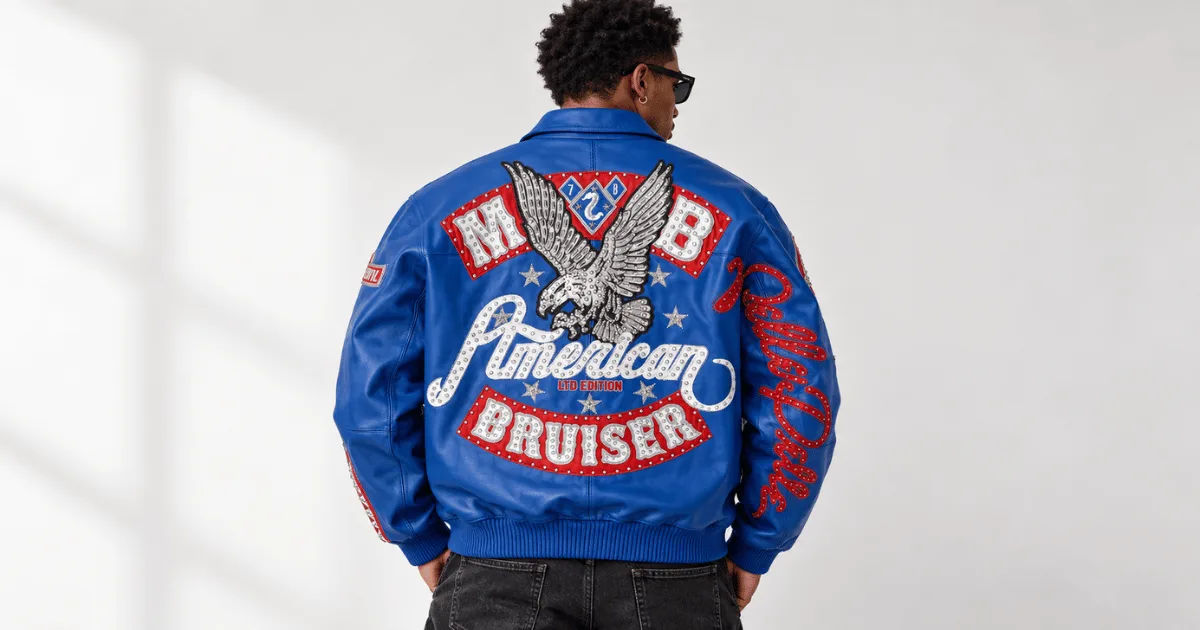
With many synthetic and imitation leather products available today, identifying real leather can sometimes be difficult. Some artificial materials are designed to look and even feel similar to natural leather. However, genuine leather has several characteristics that can help you distinguish it from synthetic alternatives.
This comprehensive guide explains the most reliable ways to identify genuine leather coats for men. It also covers different leather types, common signs of fake leather, quality checks, care considerations, and important buying tips.
What Is Genuine Leather?
Genuine leather is made from animal hide that has been processed and treated to create a durable material suitable for clothing and other products. The hide naturally contains variations in grain, texture, and thickness.
Unlike synthetic leather, natural leather has a unique structure. No two pieces are always exactly identical. Small variations can actually be evidence that the material is natural rather than manufactured to look perfectly uniform.
The term "genuine leather" can also be confusing because it is sometimes used as a general category rather than a guarantee of premium quality. Genuine leather can vary considerably depending on the grade, processing method, and construction.
Why Is Identifying Real Leather Important?
A leather coat can represent a significant investment. A buyer who assumes a synthetic coat is genuine may pay much more than the material is worth.
Real leather generally becomes more attractive as it ages when properly maintained. It can develop a natural patina, while lower-quality synthetic materials may crack, peel, or lose their finish over time.
For shoppers considering established leather fashion brands such as Pelle Pelle, understanding leather quality can also help them compare products more confidently.
Check the Leather Label
One of the first things to examine is the product label. A genuine leather coat should normally provide information about its material composition.
Look for terms such as:
-
Genuine leather
-
Full-grain leather
-
Top-grain leather
-
Cowhide leather
-
Lambskin leather
-
Goatskin leather
Be careful with descriptions such as "leather look," "vegan leather," "PU leather," "synthetic leather," or "faux leather." These generally refer to materials that are not natural animal leather.
A label alone should not be considered absolute proof, especially when buying from an unfamiliar seller. It should be combined with a physical examination of the coat.
Examine the Natural Texture
One of the easiest ways to inspect leather is to look closely at its surface.
Natural leather usually has some variation in its grain. You may notice small pores, wrinkles, lines, or slight differences in texture. These variations occur because animal hide is naturally irregular.
Synthetic leather often has a highly consistent pattern. Its surface may look almost too perfect, with repeated textures that appear mechanically produced.
However, modern artificial leather can be surprisingly realistic. Therefore, texture should be treated as one clue rather than the only test.
A well-made Pelle Pelle leather coat, for example, may show distinctive material characteristics depending on the specific leather and finish used.
Feel the Material
Touch can provide another useful indication of leather quality.
Natural leather generally feels flexible and warm rather than excessively smooth and plastic-like. When you gently press or bend it, the surface may develop temporary wrinkles.
Synthetic materials often feel more uniform. Some have a plastic or rubber-like sensation, although high-quality artificial leather can feel quite soft.
Run your fingers over different sections of the coat. Genuine leather should normally have some natural variation in softness and texture.
Perform the Bend Test
The bend test is a simple inspection method.
Take a small section of the coat and gently bend it. Real leather often develops natural wrinkles when it moves. When released, it can gradually return toward its original appearance.
Artificial leather may bend differently. Depending on its construction, it may retain a very smooth appearance or form sharp, unnatural creases.
Never bend the coat aggressively. The purpose is simply to observe how the material naturally responds to movement.
Smell the Leather
Natural leather often has a distinctive earthy or animal-hide smell. This smell is difficult to reproduce perfectly with synthetic materials.
If a coat has a strong chemical, plastic, or artificial smell, it may indicate that the material is synthetic or heavily treated.
Keep in mind that leather can also contain dyes, coatings, adhesives, and other finishing products. Therefore, smell should not be used as the sole method of identification.
It is most useful when combined with the texture, flexibility, label, and construction of the coat.
Look at the Edges
The edges of a leather coat can reveal useful information about its material.
Natural leather tends to have a slightly fibrous appearance along an unfinished edge. The fibers may look irregular because they originate from natural hide.
Synthetic leather often has a more uniform, layered, or plastic-looking edge.
This test can be difficult on finished coats because manufacturers usually cover or seal the edges. Never cut a coat simply to inspect it. Instead, look at existing exposed areas such as seams, pockets, or the inside edge of a zipper opening.
Inspect the Back of the Material
If the construction allows you to see the underside of the leather, examine it carefully.
Natural leather commonly has a fibrous or suede-like backside. Synthetic leather may have a fabric or knitted backing attached to the artificial surface.
Some genuine leather products can also have textile linings or additional backing, so this characteristic is not universal.
Still, the underside can provide valuable evidence when combined with other physical tests.
Consider the Weight and Flexibility
Leather coats can have different weights depending on the animal hide, thickness, treatment, lining, and design.
Natural leather often has a substantial feel. It should not necessarily be extremely heavy, but it generally does not feel like thin plastic fabric.
A good leather coat should also balance firmness with flexibility. Very stiff leather is not automatically better, and extremely soft leather is not automatically genuine.
Different leather types are designed for different purposes, so weight should always be evaluated together with the intended style of the coat.
Understand Different Types of Leather
Knowing leather grades makes it easier to evaluate a men's leather coat.
Full-Grain Leather
Full-grain leather is made from the outer layer of the hide while preserving much of the natural grain.
It is generally considered one of the highest-quality leather options. It can be durable and may develop an attractive patina with age.
Top-Grain Leather
Top-grain leather is also made from the upper portion of the hide but is usually processed more extensively than full-grain leather.
The surface may be corrected, sanded, or finished to create a more consistent appearance.
Genuine Leather
"Genuine leather" can refer to real animal leather, but the term does not automatically mean the product is premium quality.
This is an important distinction. A coat can be genuine leather while still using a lower grade of leather.
Suede
Suede is created from the inner portion of animal hide and has a soft, napped surface.
It has a distinctive appearance and requires different care from smooth leather.
Examine the Stitching
Quality leather coats should have strong and consistent stitching.
Inspect the seams around the shoulders, sleeves, pockets, collar, and zipper. Look for straight stitching and secure thread.
Loose threads, uneven seams, weak attachment points, and poorly finished edges can indicate lower manufacturing quality.
The quality of the leather is important, but construction matters just as much. Even excellent leather can result in a poor coat if the stitching and assembly are weak.
Inspect the Zippers and Hardware
Hardware can also provide clues about overall construction quality.
Check the zippers, buttons, snaps, buckles, and other metal components. They should operate smoothly and feel securely attached.
A premium leather coat should generally have hardware that complements the quality of the material.
For recognizable fashion brands such as Pelle Pelle, buyers should also pay attention to the design details and construction rather than focusing only on the brand name.
Check the Lining
Turn the coat inside out and examine the lining.
The lining should be securely attached without excessive loose threads or poorly finished seams. Check the areas around the pockets, sleeves, collar, and bottom hem.
A quality lining improves comfort and can help the coat maintain its shape.
The lining itself does not prove whether the outer material is genuine leather, but it can reveal the overall level of craftsmanship.
Be Careful With the Fire Test
You may find advice online suggesting that buyers should burn leather to determine whether it is genuine.
This is not recommended.
A fire test can damage the coat, create unpleasant fumes, and potentially cause a fire. It is unnecessary when safer inspection methods are available.
Instead, examine the label, texture, smell, flexibility, edges, stitching, and construction.
Avoid the Water Test When Possible
Another common method is placing a small drop of water on the leather.
Natural leather can absorb some moisture, while certain synthetic materials may cause water to remain on the surface. However, modern leather finishes and protective coatings can change how genuine leather reacts to water.
For this reason, a water test is not a reliable standalone method. It can also leave marks on certain untreated or delicate leather.
If you are buying an expensive coat, it is better to avoid unnecessary testing that could damage the material.
Compare the Price With the Material
Price can provide an additional clue.
A genuine leather coat usually costs more than a similar-looking synthetic coat because natural hide, tanning, processing, and skilled construction can increase manufacturing costs.
However, an expensive price does not automatically prove authenticity. Sellers can sometimes charge premium prices for imitation products.
Instead of asking only whether a coat is expensive, consider whether its material, craftsmanship, brand information, and construction justify the price.
When evaluating Pelle Pelle products or other branded leather coats, compare the product information with the seller's description and manufacturing details.
Buy From a Reliable Seller
The seller is one of the most important factors when purchasing a leather coat.
Established retailers and authorized sellers are generally safer choices than unknown sources with limited product information.
Check whether the seller provides clear descriptions, material details, return policies, product photographs, and authenticity information.
Be particularly cautious when a seller claims to offer an expensive branded coat at an unusually low price.
Watch for Fake Branding
Brand imitation is another issue buyers should understand.
If a coat is presented as Pelle Pelle, inspect its labels, logos, tags, stitching, hardware, and overall construction carefully. Misspelled labels, unusual logos, poor embroidery, incorrect tags, or inconsistent design details can be warning signs.
Do not rely on a logo alone. Counterfeit products can reproduce logos and labels surprisingly well.
When authenticity matters, purchase through a trustworthy source and verify the product information whenever possible.
Ask About the Leather Type
A reputable seller should be able to explain what type of leather the coat uses.
Ask whether it is full-grain, top-grain, corrected-grain, suede, lambskin, cowhide, or another material.
You can also ask about the tanning process and finish if detailed information is available.
A seller who cannot provide basic information about the material may not be the best choice for an expensive purchase.
Check the Coat Under Good Lighting
Lighting can make a major difference when examining leather.
Inspect the coat under bright, natural-looking light. Look closely at the grain, color consistency, scratches, wrinkles, seams, and surface finish.
Natural leather may have subtle variations in color and texture. These differences are not necessarily defects.
Artificial materials often have a more uniform surface, although modern manufacturing techniques can make them look highly realistic.
Genuine Leather Does Not Mean Perfect Leather
It is important to understand that genuine leather can contain natural marks.
Small scars, wrinkles, grain variations, and minor differences in texture may occur because leather comes from natural hide.
These characteristics can actually add individuality to a coat.
A perfectly uniform surface is not automatically better. In some cases, excessive uniformity may indicate that the material has been heavily corrected or is synthetic.
How to Judge Overall Quality
Authenticity is only one part of buying a good leather coat.
You should also consider durability, comfort, fit, stitching, lining, hardware, zipper quality, and finishing.
A genuine leather coat that fits poorly or has weak construction may not be a good purchase.
Look for a coat that feels comfortable when moving your arms and shoulders. Check whether the sleeves have an appropriate length and whether the collar sits comfortably.
The best coat combines genuine material with thoughtful construction.
Common Mistakes Buyers Should Avoid
One common mistake is assuming that a high price means genuine leather. Price alone proves nothing.
Another mistake is believing that every genuine leather coat must feel extremely heavy. Leather weight varies significantly depending on the hide and design.
Some buyers also assume that every real leather product has a strong smell. Finishes and treatments can reduce the natural leather scent.
Finally, avoid relying on a single test. Texture, smell, flexibility, labels, edges, stitching, and seller reputation should be considered together.
Why Brand Reputation Still Matters
Brand reputation can make the buying process easier because established companies generally have clearer product standards and manufacturing information.
However, even when purchasing from a recognized name such as Pelle Pelle, buyers should still inspect the specific product.
A reputable brand does not mean every secondhand listing or third-party advertisement is automatically authentic.
The seller and product history remain important.
Tips for Buying a Genuine Leather Coat Online
Buying online requires extra care because you cannot physically touch the material before purchasing.
Read the complete product description and look for specific leather terminology. Examine high-resolution photographs of the front, back, collar, cuffs, seams, labels, and hardware.
Check measurements rather than relying only on the listed size.
Read the return policy before placing an order. A clear return policy provides additional protection if the product does not match its description.
If you are considering a branded product such as Pelle Pelle, compare photographs and product details carefully before deciding.
How to Maintain Genuine Leather
Once you purchase a genuine leather coat, proper care can significantly extend its useful life.
Keep the coat away from excessive moisture and direct heat. If it becomes wet, allow it to dry naturally rather than placing it directly near a heater.
Use leather-specific cleaning and conditioning products when appropriate. Always test a product on a small, hidden area first.
Store the coat on a strong, properly sized hanger. Avoid folding it for long periods because deep creases can become difficult to remove.
Following the manufacturer's care instructions is especially important because different leather finishes require different treatment.
Frequently Asked Questions
How can I tell if a leather coat is genuine?
Start by checking the material label, texture, smell, flexibility, stitching, and exposed edges. Genuine leather usually has natural variations and a fibrous structure, while synthetic leather often has a more uniform or plastic-like appearance. No single test is perfect, so use several signs together.
Is genuine leather always high quality?
No. Genuine leather means the material is real leather, but it does not necessarily indicate the highest grade. Full-grain and top-grain leather are generally considered higher-grade options, while the quality of genuine leather can vary depending on processing and construction.
Does real leather have a smell?
Natural leather often has a recognizable earthy smell. Synthetic leather may have a plastic or chemical odor. However, dyes, finishes, and other treatments can affect the smell, so this should only be used as one part of an authenticity check.
Can a fake leather coat look like real leather?
Yes. Modern synthetic materials can closely imitate the appearance and texture of natural leather. This is why buyers should examine several characteristics rather than relying only on appearance.
Is buying a branded leather coat safer?
A recognized brand can provide greater confidence when purchased through a reliable source, but branding alone does not guarantee that a particular listing is authentic. Buyers should still examine labels, construction, product details, and seller reputation.
Conclusion
Identifying a genuine leather coat requires more than simply looking at its surface or checking its price. Buyers should examine the material from several angles, including its texture, flexibility, smell, edges, stitching, lining, hardware, labels, and overall construction.
Understanding leather grades is equally important. Full-grain, top-grain, genuine leather, and suede have different characteristics, and the term "genuine leather" should not automatically be interpreted as a guarantee of premium quality.
Brand reputation can also help, particularly when considering established names such as Pelle Pelle, but buyers should still verify the specific product and seller. A trusted purchasing source, accurate product description, clear photographs, and a reasonable return policy can reduce the risk of receiving an imitation product.
The safest approach is to combine several authenticity checks instead of relying on one popular test. Avoid damaging methods such as burning the material, and remember that modern synthetic leather can look surprisingly realistic.
A good men's leather coat should offer more than an authentic material label. It should have reliable stitching, quality hardware, a comfortable fit, suitable lining, and careful finishing. Proper maintenance will then help preserve its appearance and extend its lifespan.
Whether you are shopping for a classic everyday jacket or a statement fashion piece, taking time to inspect the material can help you make a smarter investment. With careful observation and knowledge of leather characteristics, it becomes much easier to distinguish genuine leather from imitation materials and choose a coat that offers lasting value.