

Hiring a General contractor for construction is one of the most practical decisions a property owner can make when a project involves several trades, permits, schedules, materials, and inspections. Construction may look straightforward from the outside, but keeping dozens of moving pieces aligned is a different matter.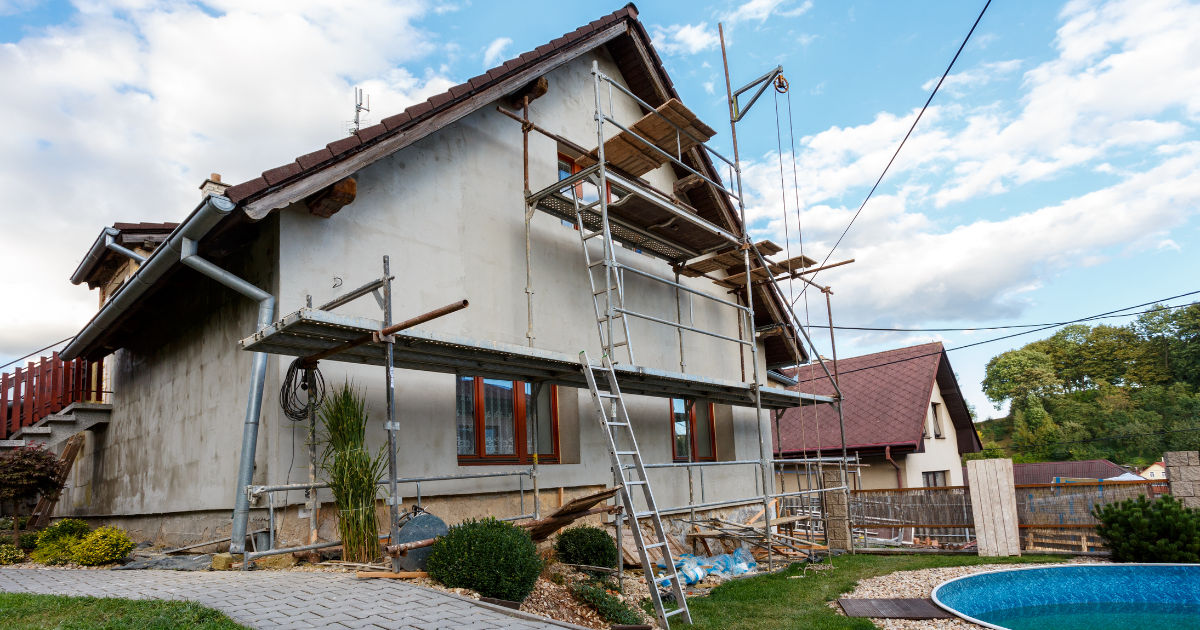
A building project needs more than skilled workers. It needs planning, coordination, budgeting, communication, quality control, and quick decisions when something changes. A General contractor brings these responsibilities together under one management structure.
The value becomes especially clear when the project includes structural work, electrical systems, plumbing, roofing, finishes, or multiple subcontractors. Instead of asking the owner to coordinate every specialist, one experienced professional manages the construction process and keeps the work moving toward completion.
What Does a General Contractor Do?
A contractor acts as the central manager of a construction project. The exact responsibilities vary by contract and location, but the role commonly includes organizing subcontractors, scheduling work, ordering materials, monitoring progress, coordinating inspections, and communicating with the owner.
The contractor may also review drawings, interpret construction documents, help establish a realistic schedule, and identify problems before they become expensive delays.
This central role matters because construction trades depend on one another. Plumbers cannot always finish their work before framing is complete, electricians may need access before walls are closed, and finish work often depends on several earlier stages being completed correctly.
Why Construction Projects Need Central Coordination
Construction is a sequence of connected tasks rather than a collection of independent jobs. If one trade falls behind, several other trades may be affected.
The contractor creates a working schedule that considers these dependencies. They coordinate when crews arrive, what areas are ready, which materials are needed, and what work must be completed before the next phase begins.
Without this coordination, an owner can end up making dozens of calls each week. A small scheduling mistake can then create idle labor, material storage problems, or unnecessary rework.
Better Control Over Project Scheduling
Time is one of the biggest challenges in construction. Delays can increase labor costs, affect financing, postpone occupancy, and interfere with other commitments.
An experienced contractor monitors the schedule throughout the project rather than treating the original timeline as a document that never changes.
Weather, material shortages, design changes, inspection requirements, and unexpected site conditions can all affect progress. A contractor can adjust the sequence of work and communicate those changes to the relevant parties.
Good scheduling is not about promising an unrealistically short completion date. It is about building a practical plan and responding quickly when conditions change.
Managing Subcontractors Efficiently
Most construction projects require specialized trades. These may include electricians, plumbers, HVAC technicians, roofers, drywall installers, painters, flooring professionals, and other specialists.
The contractor typically selects, schedules, and coordinates these subcontractors. This reduces the owner's responsibility for managing individual crews.
Coordination also helps establish accountability. When several trades work on the same project, someone needs to make sure the work is performed in the correct order and that one crew does not damage or interfere with another crew's work.
Improving Budget Management
Construction budgets can change quickly when decisions are made without coordination. Materials may be ordered twice, work may need to be redone, or a subcontractor may arrive before the site is ready.
A General contractor helps connect spending decisions with the overall construction plan. They can track labor, materials, subcontractor costs, allowances, and approved changes according to the contract.
A contractor cannot eliminate every unexpected expense. Hidden conditions and owner-requested changes can still affect the budget. However, professional management can make those costs easier to identify and control.
Helping With Material Procurement
Materials have a major influence on construction schedules. A project cannot move efficiently when critical materials are missing.
The contractor can coordinate material ordering and delivery so supplies arrive when they are needed. This requires more than simply buying materials. Quantities, specifications, lead times, storage, and site access all have to be considered.
Ordering too early can create storage problems or expose materials to damage. Ordering too late can leave workers waiting. Effective procurement balances both risks.
Coordinating Permits and Inspections
Many construction projects require permits and inspections. Requirements depend on the type of work and local rules.
A General contractor can often help coordinate the permitting process, prepare required documentation, schedule inspections, and make sure the construction sequence allows inspectors to review work at the appropriate stages.
The contractor does not replace the authority of building officials. Inspectors remain responsible for enforcing applicable codes and regulations. The contractor's value is in helping the project stay organized and prepared for those requirements.
Maintaining Quality Control
Quality control is another important reason to hire a General contractor. Construction quality depends on proper installation, suitable materials, accurate measurements, and attention to details.
A contractor can inspect work as the project progresses instead of waiting until the end to discover problems. Early identification is important because correcting a mistake after walls, ceilings, or finishes are installed can be much more expensive.
Quality control also involves making sure subcontractors follow the project plans and agreed specifications. When questions arise, the contractor can bring the appropriate people together before work continues.
Improving Communication
Poor communication can create some of the most frustrating construction problems. An owner may receive one answer from an electrician, another from a plumber, and a different answer from a supplier.
A General contractor provides a central communication point. The owner can raise questions, discuss changes, review progress, and receive updates through one primary contact.
This does not mean every decision must pass through the contractor. Rather, it creates a clear management structure so important information is less likely to be lost between different parties.
Handling Unexpected Construction Problems
Almost every significant construction project encounters something unexpected. Existing structures may differ from old drawings. Soil conditions may be different than expected. A material may become unavailable. A design detail may need clarification.
A General contractor brings practical experience to these situations. They can identify the issue, consult the appropriate specialists, compare possible solutions, and explain the effect on cost or schedule.
Experience does not mean every problem can be solved instantly. It means the project has someone responsible for organizing the response instead of leaving the owner to figure everything out alone.
Reducing the Owner's Workload
Managing construction personally can become a full-time responsibility. Owners may need to compare subcontractors, track deliveries, arrange inspections, review invoices, answer questions, and visit the site repeatedly.
Hiring a General contractor shifts much of that daily management burden to a professional.
This can be particularly valuable for homeowners who have full-time jobs or business owners who need to keep their attention on normal operations. The owner still makes important decisions, but does not have to supervise every routine construction task.
Why Experience Matters
Construction knowledge is not only about knowing how to install something. It is also about understanding how different parts of a project interact.
An experienced General contractor may recognize scheduling conflicts, common installation mistakes, material lead-time problems, and coordination issues before they become serious.
Experience can also improve decision-making when a project changes. Instead of reacting emotionally to every unexpected event, an experienced contractor can evaluate the practical options and explain the consequences.
Safety and Site Organization
Construction sites contain equipment, tools, materials, temporary structures, and active work areas. Poor organization can increase the risk of accidents and damage.
A contractor can establish site procedures, coordinate crews, maintain access routes, and communicate safety expectations. Specific legal safety responsibilities vary by project and jurisdiction, but organized site management is important on almost every job.
Keeping the site orderly also improves productivity. Workers spend less time searching for materials or working around unnecessary obstacles.
When Should You Hire a General Contractor?
Not every small construction task requires a General contractor. A simple repair may be manageable with a single specialist.
A contractor becomes more useful when a project involves multiple trades, structural changes, major remodeling, new construction, extensive permitting, or a tight schedule.
The larger and more interconnected the project, the greater the value of centralized management. For a complex build, trying to save money by removing project coordination can sometimes create costs elsewhere.
How to Choose the Right Contractor
Hiring the right contractor is just as important as deciding to hire one. Start by checking relevant licensing or registration requirements in your area.
Ask about experience with projects similar to yours. A contractor who mainly handles small repairs may not be the best fit for a large addition or new commercial building.
Request references and review examples of completed work. Discuss the scope of work, payment schedule, change-order process, expected timeline, insurance, and responsibilities before signing a contract.
A professional General contractor should be willing to explain how the project will be managed. Be cautious when someone gives an unusually low estimate without clearly explaining what is included.
Questions to Ask Before Hiring
Before choosing a contractor, ask who will supervise the project day to day. Find out which trades will be subcontracted and how communication will work.
Ask how schedule delays are handled and how changes are documented. You should also understand what happens if material prices change or unexpected site conditions are discovered.
It is useful to ask for a detailed written scope. The clearer the agreement, the easier it is for everyone to understand what is included and what may cost extra.
Is Hiring a General Contractor Worth the Cost?
The answer depends on the project's size and complexity. A contractor charges for management, coordination, experience, overhead, and responsibility. That cost should be evaluated against the time, risk, and coordination burden the owner would otherwise carry.
For a complicated project, the management value can be substantial. Preventing one major scheduling error, material problem, or expensive piece of rework may offset a meaningful portion of the management expense.
The goal should not be to find the cheapest contractor. It should be to find a qualified professional who provides clear value for the money being spent.
Conclusion
Hiring a General contractor can make construction more organized, predictable, and manageable. The contractor brings together subcontractors, schedules, materials, inspections, budgets, quality control, and communication under one coordinated process.
The biggest advantage is not simply convenience. It is having one experienced party responsible for connecting the many parts of the project. Construction works best when each stage supports the next, and professional coordination helps make that possible.
For small, straightforward work, direct hiring of a specialist may be enough. For larger remodeling, commercial construction, additions, or new builds, professional project management can make a significant difference.
Before hiring, compare experience, references, contracts, communication practices, insurance, and the contractor's approach to changes and unexpected problems. A careful selection process can help protect both your investment and your schedule.
When the right contractor is involved from the beginning, the owner can remain focused on the larger goals of the project while the day-to-day construction process is handled with greater structure and accountability.