

When it comes to modern buildings, façades are more than just decorative elements—they are the first line of defense against environmental forces.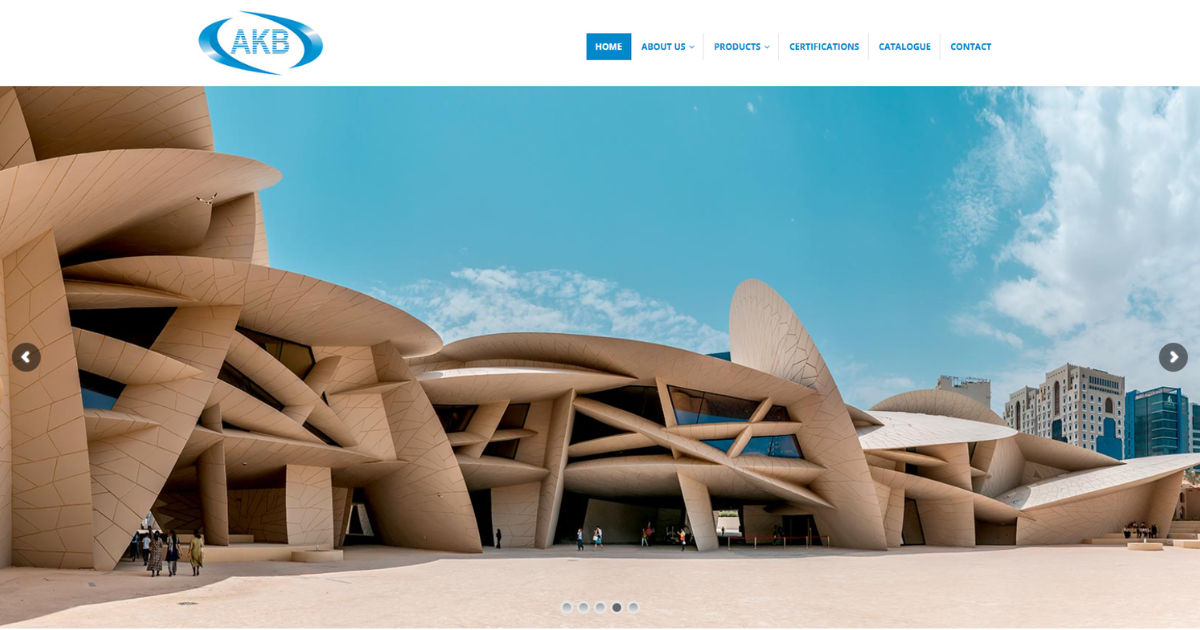
Akbari Engineering has long emphasized the importance of designing façade systems that not only enhance aesthetics but also withstand environmental loads.
These loads include wind, snow, rain, temperature fluctuations, and seismic forces. Understanding how façades handle these challenges is crucial for architects, engineers, and construction professionals alike.
In this comprehensive guide, we will explore the types of environmental loads, the design principles behind façade systems, materials used, structural considerations, and maintenance practices.
By the end of this guide, you will have a solid understanding of how modern façades work to protect buildings while maintaining functionality and beauty.
Environmental Loads
Environmental loads are external forces or pressures that a building encounters during its life cycle. Façade systems must be carefully designed to handle these loads without failure. The most common environmental loads include:
Wind Loads
Wind load is one of the most critical factors for façade design, especially in high-rise buildings. The pressure exerted by wind can cause deflection, vibrations, or even damage to panels and anchors if not properly managed.
The magnitude of wind load depends on several factors:
- Wind speed and direction
- Building height and shape
- Local topography
- Exposure category (urban, suburban, open terrain)
Façade systems are tested using wind tunnel simulations to ensure they can withstand extreme gusts and continuous pressure. Akbari Engineering often collaborates with experts to conduct these tests for innovative façades.
Snow Loads
In regions with heavy snowfall, façades must handle the weight of accumulated snow. While snow load primarily affects roofs, it can also impact vertical and sloped façades, especially those that project outward or include canopies.
Designers calculate snow load based on:
- Ground snow load
- Building slope and roof type
- Thermal effects (melting and freezing cycles)
Proper drainage systems are essential to prevent water damage when snow melts. Façades with integrated gutters and sloped panels minimize snow accumulation and related risks.
Rain and Water Loads
Rain can be deceptively destructive. Façade systems are designed to prevent water penetration and manage runoff effectively. Water can seep into joints, cracks, and material interfaces, causing corrosion, mold, and structural deterioration.
Key strategies include:
- Overlapping panels and drip edges
- Sealed joints with weather-resistant gaskets
- Pressure-equalized rainscreen systems
By combining these measures, façades remain watertight even under heavy rainstorms, safeguarding the building’s interior.
Thermal Loads
Temperature variations cause materials to expand and contract. Façades experience stress due to:
- Daily temperature swings
- Seasonal changes
- Solar radiation
Materials like glass, aluminum, and composite panels expand differently under heat, which can lead to cracking or joint failures. Akbari Engineering incorporates expansion joints and flexible connections to accommodate these movements without compromising structural integrity.
Seismic Loads
In earthquake-prone areas, façades must resist seismic forces. During seismic activity, the building’s structure moves, and the façade must remain attached without collapsing or detaching.
Seismic considerations include:
- Lightweight façade materials to reduce inertia
- Flexible anchoring systems
- Modular designs to allow relative movement between panels
By integrating seismic-resilient systems, façades maintain safety and functionality during earthquakes.
Types of Façade Systems
Different façade systems handle environmental loads in distinct ways. Selecting the right system is critical for performance, aesthetics, and long-term durability.
Curtain Wall Systems
Curtain walls are non-structural panels attached to the building’s frame. They are commonly made of glass, aluminum, or composite materials.
- Environmental Load Handling: Curtain walls distribute wind and seismic loads to the main structure through robust anchoring systems. Pressure-equalized designs prevent water infiltration, while thermal breaks reduce heat transfer.
- Advantages: Sleek appearance, transparency, natural light, and adaptability for high-rise buildings.
Cladding Systems
Cladding is a protective layer applied to the building’s exterior. Materials can include metal panels, fiber cement boards, stone, or brick veneer.
- Environmental Load Handling: Cladding protects against wind, rain, and snow while providing thermal insulation. Rainscreen systems create an air gap between cladding and the building, reducing water penetration and facilitating ventilation.
- Advantages: Improved insulation, aesthetic flexibility, and durability.
Double-Skin Façades
Double-skin façades consist of two layers of glass separated by an air cavity. They provide natural ventilation, thermal insulation, and noise reduction.
- Environmental Load Handling: The outer layer absorbs wind and rain loads, while the inner layer provides structural stability. The cavity can buffer thermal changes and reduce the impact of temperature fluctuations.
- Advantages: Energy efficiency, sound insulation, and enhanced comfort.
Unitized Façade Systems
Unitized systems are pre-fabricated panels installed as modules. These systems are ideal for high-rise construction because they can be quickly assembled on-site.
- Environmental Load Handling: Each module is engineered to resist wind, seismic, and thermal loads. Connections allow minor adjustments to accommodate building movement.
- Advantages: Faster installation, quality control, and minimized on-site errors.
Materials and Their Role in Load Resistance
The choice of materials significantly influences a façade system’s ability to withstand environmental loads.
Glass
Glass provides transparency and aesthetic appeal but requires careful handling to resist wind pressure and thermal stresses. Laminated or tempered glass is often used for enhanced safety and load-bearing capacity.
Aluminum
Aluminum frames are lightweight, corrosion-resistant, and strong. They are ideal for curtain walls and cladding systems, transferring loads efficiently to the building structure.
Composite Panels
Materials like aluminum composite panels (ACP) combine lightweight design with high strength. They resist wind, rain, and thermal expansion, making them versatile for modern façades.
Stone and Brick
Heavier materials such as natural stone and brick veneer provide thermal mass and durability. Anchoring and support systems are critical to prevent detachment under seismic or wind loads.
Insulation Materials
Façades often incorporate insulation boards or spray foam to manage thermal loads. Insulation reduces stress caused by temperature differences, improving both comfort and structural longevity.
Structural Considerations in Façade Design
Façade systems must work with the building structure to handle environmental loads effectively. Key structural considerations include:
Anchoring Systems
Anchors transfer loads from the façade to the main structural frame. Proper selection of anchors ensures stability under wind, seismic, and thermal stresses.
Expansion Joints
Expansion joints accommodate thermal movement and building deflection. Without these joints, rigid connections can lead to cracks, leaks, and failure.
Load Distribution
Façade panels distribute environmental loads across the structure. Load-bearing connections, mullions, and transoms are engineered to balance pressure and prevent localized stress.
Redundancy
Redundant support systems ensure that if one anchor or component fails, others share the load, preventing catastrophic failure.
Testing and Certification
Before installation, façade systems undergo rigorous testing:
Wind Tunnel Testing
Simulates wind pressure and flow patterns to evaluate deflection, vibration, and structural integrity.
Water Penetration Testing
Assesses the ability of joints and panels to resist water infiltration under high-pressure conditions.
Thermal Cycling
Panels are exposed to temperature extremes to test expansion, contraction, and joint stability.
Seismic Simulation
Dynamic testing replicates earthquake forces to ensure the façade can withstand building movement.
Certifications from recognized institutions validate the performance of façade systems and provide assurance to clients and stakeholders.
Maintenance and Longevity
Even the most robust façade systems require maintenance to handle environmental loads over time.
Regular Inspection
Inspections identify cracks, corrosion, or joint degradation early, preventing major issues.
Cleaning
Dust, pollutants, and water deposits can compromise sealants and panel surfaces. Regular cleaning maintains both aesthetics and performance.
Sealant Replacement
Weatherproof sealants degrade over time due to UV exposure, temperature changes, and moisture. Timely replacement preserves water resistance.
Hardware Checks
Anchors, brackets, and fasteners should be inspected and tightened periodically to maintain structural stability.
Akbari Engineering recommends maintenance schedules tailored to local environmental conditions to extend façade life.
Case Studies: Real-World Applications
Several high-rise projects demonstrate how façade systems successfully handle environmental loads:
- Modern Glass Towers: Curtain wall systems with laminated glass and aluminum frames resist high wind pressures in urban areas.
- Snow-Prone Regions: Sloped cladding panels and integrated drainage systems minimize snow accumulation and water infiltration.
- Seismic Zones: Unitized façade panels with flexible connections absorb seismic energy, preventing panel detachment and glass breakage.
These examples highlight the importance of material selection, structural design, and engineering expertise in creating resilient façades.
Future Trends in Façade Design
The field of façade engineering continues to evolve, focusing on sustainability, resilience, and intelligent systems:
Smart Façades
Incorporating sensors and adaptive materials, smart façades adjust to environmental loads in real time, optimizing ventilation, shading, and energy consumption.
Lightweight High-Performance Materials
New composites and ultra-lightweight panels reduce structural load while enhancing thermal and environmental resistance.
Sustainable Design
Recyclable materials, rainwater harvesting façades, and energy-efficient cladding systems contribute to green building certifications.
Integrated Energy Systems
Photovoltaic panels integrated into façades generate electricity, simultaneously serving as a protective layer against environmental loads.
Conclusion
Façade systems are essential for protecting buildings against environmental loads such as wind, rain, snow, temperature fluctuations, and seismic forces. Through careful material selection, engineering design, and rigorous testing, façades maintain structural integrity, enhance aesthetics, and improve energy efficiency.
Akbari Engineering exemplifies the integration of innovation, resilience, and safety in façade systems. By focusing on material performance, structural connections, and environmental adaptability, they create façades that withstand the harshest conditions while enhancing the building’s visual appeal.
Modern façade engineering is a blend of art and science—balancing beauty, safety, and environmental performance. Understanding how these systems handle loads ensures architects, engineers, and property owners can make informed decisions, contributing to durable and sustainable buildings for the future.