

Gaining weight in a healthy way requires more than simply eating larger meals. It involves choosing nutritious foods that provide enough calories, protein, carbohydrates, healthy fats, vitamins, and minerals. People who want to increase their body weight often look for convenient food combinations that can support their daily nutritional needs. One popular option is combining milk powder with oats because both ingredients offer valuable nutrients and can be included in different meals.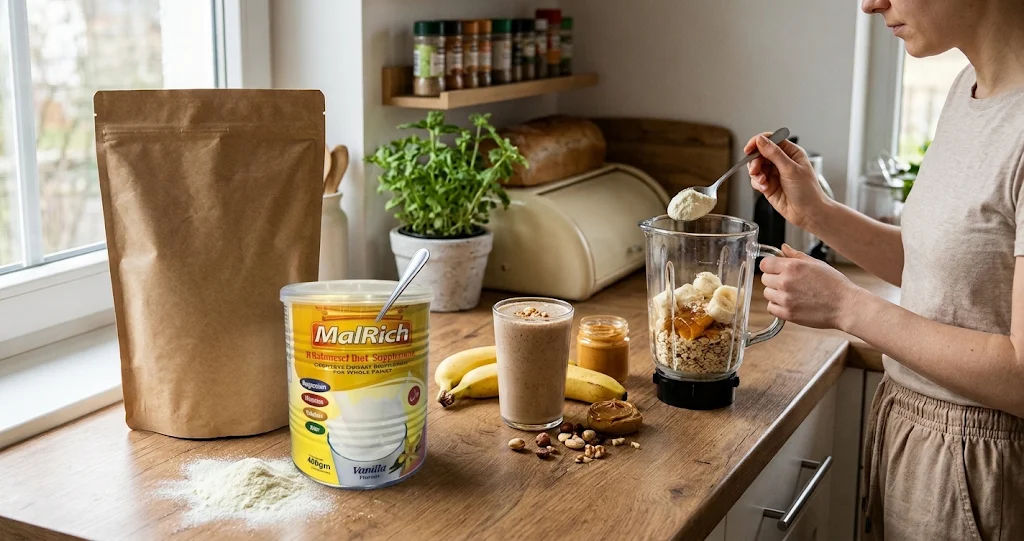
Adding mal rich milk powder to oats can create a filling and calorie-rich meal that supports healthy weight gain when included in a balanced diet. Oats provide complex carbohydrates and dietary fibre, while milk powder contributes protein, carbohydrates, calcium, and other essential nutrients. Together, they make a practical combination for breakfast, snacks, or post-workout meals.
The best part is that this combination is easy to prepare and customise. You can mix it with warm milk, water, bananas, peanut butter, dates, or nuts to increase its nutritional value. Whether you are trying to gain weight gradually, improve your daily calorie intake, or build muscle alongside regular exercise, oats and milk powder can become useful additions to your eating routine.
This comprehensive guide explains how milk powder and oats work together, their nutritional benefits, preparation methods, suitable serving sizes, and important considerations for healthy weight gain.
Why Are Oats and Milk Powder a Good Combination?
Oats and milk powder complement each other because they provide different nutrients. Oats are mainly known for their carbohydrate and fibre content, whereas milk powder provides dairy-based protein and minerals.
When combined, they create a balanced foundation for a satisfying meal.
Nutritional Benefits of Oats
Oats are a popular whole grain that can support several aspects of a healthy diet. They contain complex carbohydrates, which provide energy over time.
They also contain soluble fibre, particularly beta-glucan. This type of fibre helps support digestive health and may contribute to maintaining healthy cholesterol levels.
Other nutrients found in oats include:
-
Magnesium
-
Iron
-
Phosphorus
-
Zinc
-
Manganese
-
Vitamin B1
-
Dietary fibre
Oats are also relatively easy to prepare and can be used in sweet or savoury recipes.
Nutritional Benefits of Milk Powder
Milk powder is made by removing most of the water from liquid milk. This process creates a concentrated dairy product that can be stored conveniently when kept under suitable conditions.
Depending on the variety, milk powder can provide:
-
Protein for muscle maintenance and repair.
-
Calcium for healthy bones and teeth.
-
Carbohydrates for energy.
-
Phosphorus for bone health.
-
Potassium for normal muscle function.
-
Vitamin B12 for normal nerve function.
Whole milk powder generally contains more fat and calories than skimmed milk powder. This makes the type of milk powder an important consideration when planning a weight-gain diet.
How Does Mixing Milk Powder With Oats Support Weight Gain?
Healthy weight gain usually requires consuming more calories than the body uses throughout the day. This is commonly called a calorie surplus.
mal rich milk powder milk powder can help achieve this goal because they make it easier to prepare nutritious meals with a reasonable amount of energy.
For example, a serving of oats prepared with milk powder provides carbohydrates, protein, and some fat, depending on the ingredients.
Adding other calorie-dense foods can increase the total energy content without requiring an extremely large meal.
Provides Additional Calories
Oats contain calories from carbohydrates, protein, and small amounts of fat. Milk powder adds further calories, particularly when using a full-cream variety.
This combination can be helpful for people who struggle to eat large portions.
Instead of drinking a large amount of liquid or eating several separate snacks, they can enjoy one satisfying bowl of oatmeal.
Supports Muscle Development
Weight gain does not always mean gaining muscle. The goal should be to increase body weight while supporting muscle development and maintaining overall health.
Milk powder contains dairy protein, including casein and whey proteins in varying proportions. These proteins provide amino acids needed for muscle maintenance and repair.
Oats also contribute a smaller amount of protein.
When combined with resistance training and sufficient daily protein intake, this meal can support muscle-building goals.
Provides Long-Lasting Energy
Oats contain complex carbohydrates that are digested more gradually than many refined carbohydrate foods.
This makes oatmeal a convenient breakfast option for people who need energy throughout the morning.
Combining oats with milk powder also adds protein, making the meal more nutritionally complete.
How to Prepare Oats With Milk Powder for Weight Gain
Preparing this combination does not require complicated cooking techniques. You can make it using basic kitchen ingredients.
Ingredients You Need
For one serving, consider using:
-
Half a cup of rolled oats.
-
Two to three tablespoons of milk powder.
-
One cup of water or prepared milk.
-
One medium banana.
-
One tablespoon of peanut butter.
-
A few almonds or walnuts.
-
A small amount of honey, if desired.
The exact quantities can be adjusted according to your calorie requirements and appetite.
Step-by-Step Preparation
Step 1: Cook the oats
Add oats and water to a small saucepan. Heat the mixture over medium heat and stir occasionally until the oats become soft.
Step 2: Prepare the milk powder
Mix the milk powder with a little lukewarm water in a separate cup. Stir until it dissolves properly.
Step 3: Combine the ingredients
Pour the prepared milk into the cooked oats. Stir gently until everything is evenly combined.
Step 4: Add calorie-rich ingredients
Slice a banana and add it to the oatmeal. Mix in peanut butter for additional calories and healthy fats.
Step 5: Add toppings
Finish with almonds, walnuts, or other preferred toppings.
Allow the mixture to cool slightly before eating.
This recipe creates a nutritious meal containing carbohydrates, protein, fibre, and fats.
Best Ingredients to Add to Milk Powder and Oats
Although oats and milk powder already provide useful nutrients, additional ingredients can make the meal more suitable for weight gain.
Dates are naturally sweet and contain carbohydrates, fibre, and minerals.
Adding two or three dates can increase the calorie content of your oatmeal.
They are particularly useful for people who prefer naturally sweet meals instead of adding refined sugar.
5. Honey
Honey can provide additional carbohydrates and sweetness.
However, it should be used in moderate quantities because it mainly contributes added sugars.
For people trying to gain weight, honey can be an optional ingredient rather than a necessary part of the recipe.
What Is the Best Time to Eat Oats With Milk Powder?
There is no single perfect time to consume this combination. The most suitable time depends on your daily routine, appetite, exercise schedule, and overall calorie requirements.
Eating It for Breakfast
Breakfast is one of the easiest times to include oats and milk powder.
A bowl of oatmeal provides energy and nutrients that help you begin the day.
You can add bananas, nuts, or peanut butter to make breakfast more filling.
For people with busy schedules, it is also a convenient meal that can be prepared within a few minutes.
Eating It Before Exercise
Oats contain carbohydrates that can provide energy for physical activity.
Eating a moderate serving approximately one to two hours before exercise may be suitable for some people.
However, avoid eating an excessively large portion immediately before training because it may cause digestive discomfort.
Eating It After Exercise
After resistance training, your body needs protein and energy to support recovery.
Milk powder contributes protein, while oats provide carbohydrates.
You can prepare a post-workout oatmeal bowl with banana and milk powder to help meet your nutritional needs.
Remember that total daily protein and calorie intake matter more than eating one particular meal at an exact time.
Eating It as an Evening Snack
If you find it difficult to consume enough calories during regular meals, oatmeal can also work as an evening snack.
A smaller portion with milk powder and nuts can help increase your daily calorie intake.
People who experience reflux or digestive discomfort should avoid eating a large serving immediately before bedtime.
Does Full-Cream Milk Powder Work Better Than Skimmed Milk Powder?
The type of milk powder you choose can influence the calorie content of your oatmeal.
Both varieties provide nutrients, but their fat content differs.
Full-Cream Milk Powder
Full-cream milk powder contains more milk fat.
This makes it a useful choice for people who want to increase their calorie intake without eating very large portions.
It also creates a richer flavour and creamier texture when mixed with oats.
Skimmed Milk Powder
Skimmed milk powder contains significantly less fat but still provides protein and calcium.
It may be suitable for people who want additional dairy protein without adding as many calories from fat.
However, those trying to gain weight may need to include other energy-rich ingredients.
Which Option Should You Choose?
Your choice should depend on your nutritional needs.
If you need additional calories, full-cream milk powder may be more convenient. If you prefer a lower-fat option, skimmed milk powder can also work.
Products such as mal rich milk powder can be considered when comparing available dairy options, but always check the nutrition label to understand their actual calorie, protein, carbohydrate, and fat content.
Do not assume that all milk powders have identical nutritional values.
How Much Oats and Milk Powder Should You Consume?
Serving size is important because consuming too much food at once can cause digestive discomfort.
A reasonable starting point for one meal could include:
|
Ingredient |
Suggested quantity |
|---|---|
|
Rolled oats |
40–50 grams |
|
Milk powder |
20–30 grams |
|
Banana |
1 medium |
|
Peanut butter |
1 tablespoon |
|
Almonds |
10–15 grams |
|
Water |
As needed |
These quantities are general suggestions rather than a personalised diet prescription.
The total calories depend on the brands, ingredients, and exact serving sizes.
If you are new to eating oatmeal, start with a smaller portion and increase it gradually.
This allows your digestive system to adjust to the additional fibre.
Can Oats and Milk Powder Help Build Muscle?
Yes, this combination can contribute to a muscle-building diet, but it does not build muscle independently.
Muscle development requires several factors working together.
Adequate Protein Intake
Protein supplies amino acids that the body uses to repair and build muscle tissue.
Milk powder contributes dairy protein, while oats provide additional plant-based protein.
However, the protein content of one oatmeal serving may not meet everyone's requirements.
People who perform regular resistance training should consider their total daily protein intake.
Consistent Strength Training
Exercise provides the stimulus needed for muscle growth.
Activities such as weightlifting, resistance-band training, squats, and push-ups can support muscle development.
Combining regular training with adequate nutrition can help improve strength and body composition.
Proper Recovery
Rest is another important part of muscle development.
Your body needs sufficient sleep and recovery time between demanding training sessions.
Eating nutritious meals consistently can support this process.
Important Health Considerations Before Mixing Milk Powder With Oats
Although this combination is suitable for many people, certain considerations should not be ignored.
Lactose Intolerance
Regular milk powder generally contains lactose.
People with lactose intolerance may experience bloating, abdominal discomfort, gas, or diarrhoea after consuming it.
If you have lactose intolerance, consider a suitable lactose-free dairy alternative or another option recommended by a healthcare professional.
Milk Allergy
Milk allergy is different from lactose intolerance.
People with a milk protein allergy should avoid ordinary milk powder, including full-cream and skimmed varieties.
They should choose appropriate alternatives after seeking professional advice.
Digestive Sensitivity
Oats contain fibre, which can cause bloating or discomfort when introduced too quickly.
Start with smaller portions and increase your intake gradually.
Drinking enough water can also support normal digestion.
Added Sugar
Some flavoured milk powders contain added sugar.
If you are trying to gain weight, it may be tempting to choose products with high sugar content.
However, gaining weight through balanced nutrition is generally a better approach than relying heavily on sugary foods.
Check product labels before making your selection.
Common Mistakes to Avoid When Preparing Oats With Milk Powder
Even nutritious ingredients can become part of an unbalanced meal when used incorrectly.
Avoid these common mistakes:
Using too much sugar: Excessive sugar is not necessary for healthy weight gain. Use bananas or dates for natural sweetness.
Ignoring portion sizes: Large portions may cause digestive discomfort. Increase servings gradually.
Choosing milk powder without checking the label: Compare protein, fat, calories, added sugars, and serving information.
Depending on one meal: Oats and milk powder cannot replace a complete daily diet.
Skipping physical activity: If your goal includes muscle development, combine sufficient nutrition with suitable strength exercises.
Eating too little protein elsewhere: Make sure your other meals also contain protein-rich foods such as eggs, fish, chicken, beans, yoghurt, or suitable alternatives.
Conclusion
Mixing milk powder with oats is a convenient and nutritious way to prepare a meal that may support healthy weight gain. Both ingredients offer valuable nutrients, and their combination provides carbohydrates, protein, fibre, and additional calories.
Oats supply complex carbohydrates and dietary fibre, while milk powder contributes dairy protein, calcium, and other important nutrients. Together, they create a filling meal that can be enjoyed at breakfast, after exercise, or as an evening snack.
You can make this combination even more nutritious by adding bananas, peanut butter, almonds, walnuts, or dates. These ingredients increase the energy content while improving flavour and texture. Choosing full-cream or skimmed milk powder according to your nutritional requirements can also help you customise the recipe.
Products such as mal rich milk powder may be included in your food choices after checking their nutritional information and suitability for your dietary needs. Always compare serving sizes, calories, protein, fat, and added sugar before selecting a product.
Most importantly, remember that healthy weight gain depends on your overall lifestyle rather than one particular food combination. Eat balanced meals, consume sufficient protein, maintain an appropriate calorie surplus, exercise consistently, and allow your body enough time to recover.
With sensible portions and regular healthy eating habits, oats mixed with milk powder can become a practical part of a long-term nutrition plan.