

Milk-based coffee drinks have become a popular part of everyday life. Whether you enjoy cappuccinos, lattes, macchiatos, or hot chocolate, properly frothed milk can make your favourite beverages taste and look better. However, achieving smooth, creamy foam at home requires the right equipment. This is where smilk frothers become useful for coffee lovers who want café-style drinks without visiting a coffee shop.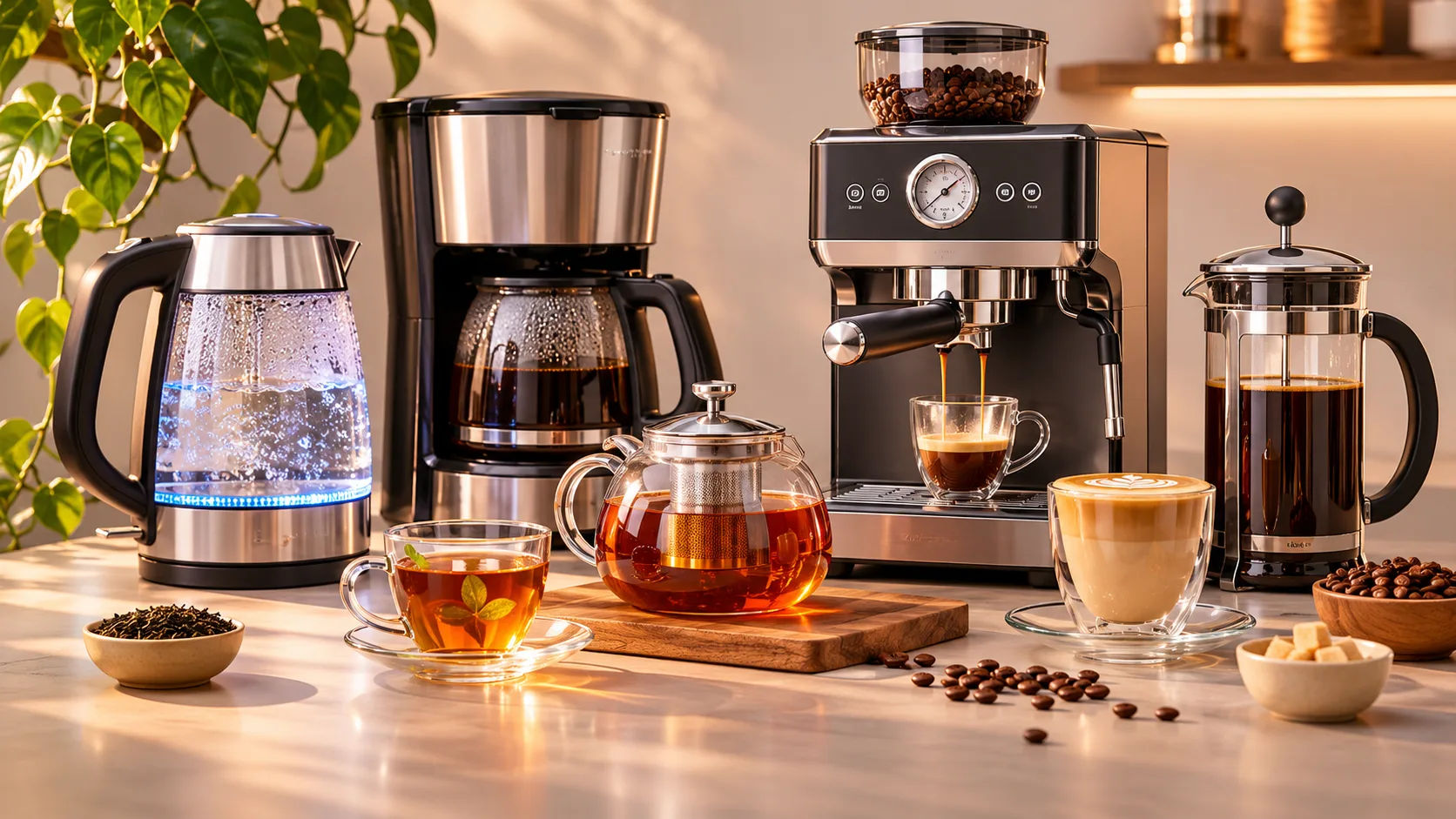
Choosing the right frother may seem simple, but different models offer different features, capacities, heating options, and levels of convenience. Some are designed for quick everyday use, while others provide greater control over milk temperature and foam texture. Understanding these differences can help you select a product that matches your coffee habits, budget, and kitchen space.
This comprehensive guide explains how to choose a suitable milk frother, which features matter most, and what you should consider before making a purchase. By understanding the available options, you can make a confident decision and enjoy delicious homemade coffee whenever you want.
What a Milk Frother Does
A milk frother is a kitchen appliance or handheld tool that adds air to milk, creating a light and creamy texture. This process produces foam that can be used in different coffee beverages.
When air enters the milk, tiny bubbles form and become surrounded by milk proteins. These proteins help stabilise the bubbles, allowing the foam to maintain its structure for a certain period.
Different frothers create different types of foam. Some produce thick and dense foam, while others create smooth, silky microfoam that works particularly well in latte art.
Why Is Frothed Milk Important?
Frothed milk improves the texture, appearance, and overall drinking experience of coffee. It adds a creamy layer that balances the strong flavour of espresso.
For example, cappuccinos generally require thicker foam, while lattes need smoother milk with a thinner layer of foam.
A good frother also allows you to experiment with different drinks at home. You can prepare hot chocolate, iced coffee, flavoured milk, and other beverages without relying on expensive café equipment.
Different Types of Milk Frothers
Before purchasing an appliance, understand the main types available. Each option has advantages and limitations, depending on how frequently you prepare coffee.
1. Manual Milk Frothers
Manual frothers are simple devices that use physical movement to create foam. They usually feature a container with a plunger and a mesh filter.
You add milk to the container and move the plunger up and down until the desired foam develops.
Advantages:
-
Affordable compared with electric models.
-
No electricity or batteries required.
-
Easy to operate.
-
Compact and convenient for storage.
-
Suitable for occasional coffee preparation.
Disadvantages:
-
Requires physical effort.
-
Takes longer than automatic models.
-
Does not usually heat milk.
-
Foam quality depends on technique.
Manual frothers are suitable for people who enjoy preparing coffee themselves and do not mind spending extra time creating foam.
2. Handheld Electric Milk Frothers
milk frothers electric frothers are small battery-powered or rechargeable devices with a rotating whisk at the end.
They work by spinning rapidly inside milk, introducing air and creating foam within seconds.
Advantages:
-
Lightweight and portable.
-
Usually inexpensive.
-
Quick foam preparation.
-
Easy to store in kitchen drawers.
-
Suitable for individual servings.
Disadvantages:
-
Usually cannot heat milk.
-
Requires a separate container.
-
Batteries may need replacement or charging.
-
Can create splashes if used incorrectly.
These frothers are particularly useful for people who want a simple and affordable way to improve their everyday coffee.
3. Automatic Electric Milk Frothers
Automatic frothers are convenient appliances that heat and froth milk with minimal effort.
Most models feature a container, heating element, whisk, and control buttons. Depending on the selected setting, the appliance can prepare hot foam, warm milk, or cold foam.
Advantages:
-
Convenient operation.
-
Heating and frothing in one appliance.
-
Consistent results.
-
Multiple preparation settings.
-
Less manual effort.
Disadvantages:
-
More expensive than basic models.
-
Requires counter or storage space.
-
Some models have limited capacity.
-
Cleaning may require additional attention.
Automatic models are excellent for households where several people regularly enjoy milk-based coffee.
4. Steam Wand Milk Frothers
Steam wands are commonly found on espresso machines. They use pressurised steam to heat milk while introducing air into it.
With the correct technique, they produce smooth microfoam suitable for professional-looking cappuccinos and latte art.
Advantages:
-
Excellent foam texture.
-
Greater control over milk temperature.
-
Suitable for latte art.
-
Can produce professional-style beverages.
Disadvantages:
-
Requires practice.
-
Usually comes with a larger espresso machine.
-
Needs regular cleaning.
-
Can be more expensive.
If you enjoy experimenting with coffee preparation, a steam wand may be a worthwhile investment.
Important Features to Consider When Choosing Milk Frothers
Selecting an appropriate appliance requires more than comparing prices. Certain features directly affect performance, convenience, and long-term satisfaction.
1. Frothing Performance
Frothing performance should be one of your main considerations.
A good frother should create consistent foam without producing excessively large bubbles. The foam should have a pleasant texture and remain stable long enough to serve your drink.
Think about the beverages you usually prepare.
If you enjoy cappuccinos, look for a model that produces thick foam. If you prefer lattes, choose one that offers smoother milk texture.
Some automatic appliances provide different foam settings, making them more versatile.
2. Heating Capabilities
Not every milk frother can heat milk. Basic handheld models generally focus on creating foam, meaning you must warm the milk separately.
Automatic models often include heating functions that allow you to prepare hot milk and foam together.
Consider whether you prefer hot or cold coffee beverages.
If you regularly drink cappuccinos and hot chocolate, heating functionality can make your routine easier. However, if you mainly prepare iced coffee, cold frothing may be more important.
3. Capacity and Size
Capacity determines how much milk an appliance can process in one cycle.
A small handheld device can work well for one cup, while an automatic frother may accommodate multiple servings.
Consider the number of people who regularly use the appliance.
For individual coffee drinkers, a compact model may be sufficient. Families or households with several coffee enthusiasts may benefit from a larger container.
Remember that the maximum milk-heating capacity and maximum frothing capacity can differ. Always check both specifications before purchasing.
4. Ease of Cleaning
Cleaning is an important consideration because milk residue can quickly build up inside an appliance.
A difficult-to-clean frother may become inconvenient, especially if you use it every morning.
Look for features such as:
-
Removable whisk attachments.
-
Non-stick interior surfaces.
-
Wide openings for easy access.
-
Dishwasher-safe components.
-
Simple control designs.
Some automatic models have delicate electrical components, meaning their main containers cannot be submerged in water.
Always follow the manufacturer's cleaning instructions to avoid damaging the appliance.
5. Noise Levels
Some electric frothers produce noticeable noise during operation.
Although most devices operate for relatively short periods, excessive noise can become frustrating if you prepare coffee early in the morning.
Handheld models generally produce a light motor sound, while automatic appliances may produce additional noise from their heating and mixing systems.
If a quiet kitchen environment matters to you, consider checking customer reviews for information about operating noise.
6. Temperature Control
Milk temperature affects flavour, texture, and foam quality.
Overheating can damage the pleasant sweetness of milk and produce an undesirable taste. For most milk-based coffee drinks, moderately heated milk works better than extremely hot milk.
Some advanced frothers offer adjustable temperature settings.
This feature is useful if you enjoy experimenting with different beverages or prefer your coffee at a particular temperature.
Choosing the Right Frother for Your Coffee Preferences
Your preferred beverages should influence the type of appliance you purchase.
Different coffee drinks require different milk textures, so selecting a frother that supports your favourite recipes can improve your experience.
Best Options for Cappuccino Lovers
Cappuccinos usually contain espresso, steamed milk, and a generous layer of foam.
For this drink, choose a frother that creates thick and stable foam.
Automatic models with dedicated cappuccino settings can be particularly convenient because they produce repeatable results.
A manual frother can also work well if you enjoy controlling the process yourself.
Best Options for Latte Lovers
Lattes require smoother milk with a smaller layer of foam.
A steam wand is especially useful because it allows you to create microfoam with a silky consistency.
Some automatic models also provide low-foam settings suitable for latte preparation.
If you want to experiment with latte art, prioritise a frother that creates fine, evenly distributed bubbles.
Best Options for Iced Coffee
Cold foam has become a popular addition to iced coffee beverages.
If you enjoy cold drinks, look for an appliance with a dedicated cold-frothing function.
Some handheld models can also create cold foam without heating the milk.
Cold foam should be smooth and light enough to sit on top of an iced beverage while maintaining its texture.
Best Options for Hot Chocolate
Milk frothers can make hot chocolate preparation easier.
Models with heating functions are particularly useful because they can warm milk while mixing ingredients.
However, not every appliance is designed to process chocolate powder or solid chocolate pieces.
Check the manufacturer's instructions before adding ingredients other than milk. Using unsuitable ingredients may damage the whisk or heating surface.
Understanding Different Types of Milk
The type of milk you use can significantly affect frothing results.
Different milk varieties contain different amounts of protein, fat, and water. These differences influence foam stability and texture.
Whole Milk
Whole milk generally creates creamy foam with a rich mouthfeel.
Its fat content contributes to a smooth drinking experience, making it a popular choice for cappuccinos and lattes.
However, the final foam texture also depends on temperature and frothing technique.
Low-Fat Milk
Low-fat milk can create relatively large amounts of foam because its lower fat content allows bubbles to develop more easily.
The resulting texture may feel lighter than foam prepared with whole milk.
It is a suitable option for people who prefer less-rich coffee beverages.
Plant-Based Milk
Plant-based milk is another popular option.
Almond, soy, oat, and coconut milk can all be used for different coffee drinks. However, their frothing performance varies.
Barista-style plant-based products are often specially formulated to create better foam and maintain a smoother texture.
If you regularly use dairy alternatives, select a frother that works effectively with your preferred milk.
Power Consumption and Energy Efficiency
Electric appliances use energy, so power consumption is worth considering before buying a frother.
Handheld models usually consume relatively little electricity because they mainly operate a small motor.
Automatic appliances use additional energy to heat milk, making their consumption higher during operation.
However, these appliances generally run for short periods.
Check the wattage and operating instructions if energy efficiency is an important factor in your purchasing decision.
A well-designed appliance should provide sufficient heating and frothing performance without unnecessary energy consumption.
Build Quality and Material Selection
The materials used in a frother influence its durability, appearance, and ease of maintenance.
Stainless steel is a popular choice for automatic frothing containers because it is durable and generally easy to clean.
Plastic models are often lightweight and affordable, but their quality can vary.
When comparing products, consider the following:
-
Strong and comfortable handles.
-
Durable whisk attachments.
-
Heat-resistant exterior materials.
-
Reliable electrical components.
-
Stable bases and secure lids.
Avoid choosing an appliance based entirely on appearance. A stylish product is useful only when its performance and construction meet your expectations.
Safety Features You Should Not Ignore
Electrical kitchen appliances should always include appropriate safety features.
Automatic frothers often contain heating elements, making temperature protection particularly important.
Look for automatic shut-off functionality, overheating protection, and secure electrical connections.
A stable base can also reduce the possibility of accidental spills.
If the appliance includes a detachable container, check that it connects securely to its heating base.
Always keep electrical components away from water and avoid operating the appliance with damaged cables or attachments.
Comparing Prices and Setting a Budget
Milk frothers are available at different price levels.
Basic handheld models are generally the most affordable, while automatic and espresso-machine frothing systems can cost considerably more.
Your budget should reflect how frequently you plan to use the appliance.
If you prepare coffee occasionally, an inexpensive handheld frother may provide everything you need.
If you make several drinks every day, investing in an automatic model may offer greater convenience.
Consider the overall value rather than focusing only on the purchase price.
A durable appliance with reliable performance may provide better long-term value than a cheaper model that needs frequent replacement.
Common Mistakes to Avoid When Buying Milk Frothers
Even experienced coffee drinkers can make mistakes when selecting kitchen appliances.
Understanding these common problems can help you avoid unnecessary expenses.
Ignoring Your Daily Requirements
Buying an advanced appliance does not automatically mean it is the right choice.
If you only prepare one coffee each morning, a large automatic frother may be unnecessary.
Choose a product that matches your actual usage.
Focusing Only on Appearance
Modern appliances come in attractive designs, but appearance should not be your main purchasing consideration.
Pay attention to performance, capacity, cleaning requirements, and durability.
Overlooking Milk Compatibility
Some appliances perform better with particular milk varieties.
If you regularly use oat or almond milk, check whether the frother can produce satisfactory results with those alternatives.
Forgetting About Cleaning
Milk residue can affect hygiene and appliance performance.
Choose a design that is easy to clean and maintain.
Purchasing Without Checking Reviews
Customer reviews can provide useful information about everyday performance.
Look for repeated comments about foam quality, heating consistency, durability, and cleaning.
Pay attention to both positive and negative feedback rather than relying on a single review.
Tips for Getting Better Results From Your Milk Frother
Even an excellent appliance requires proper use to produce good results.
A few simple techniques can improve the quality of your homemade coffee.
Use fresh milk: Fresh milk generally produces better-tasting beverages and more consistent results.
Avoid overfilling: Always follow the maximum filling level indicated by the manufacturer. Milk expands during frothing.
Choose the correct temperature: Excessive heat can affect flavour and foam quality.
Clean immediately: Rinse milk-contact components after every use to prevent residue from drying.
Experiment with different milk varieties: Try whole milk, low-fat milk, and barista-style plant-based alternatives to discover your preferred texture.
Use the correct attachment: Some appliances include separate whisk attachments for heating, mixing, and creating foam.
Following these simple practices can improve consistency and help extend the useful life of your appliance.
Maintaining Your Milk Frother for Long-Term Use
Regular maintenance helps keep your appliance working properly.
After each use, remove leftover milk and clean the container according to the manufacturer's instructions.
Pay particular attention to the whisk because milk proteins and fats can collect around its moving parts.
For automatic appliances, avoid immersing electrical connections or heating bases in water.
Check detachable components periodically for signs of wear or damage.
If your appliance has a non-stick interior, use suitable cleaning tools that will not scratch the surface.
Proper storage also matters. Keep the frother in a dry location and protect its attachments from unnecessary damage.
With regular care, a good-quality appliance can remain useful for years.
Conclusion
Choosing the right milk frother becomes much easier when you understand your coffee preferences, daily requirements, and available appliance features. The best option is not necessarily the most expensive model. Instead, it is the one that provides the right balance of performance, convenience, durability, and affordability.
Before purchasing, compare manual, handheld electric, automatic, and steam-wand options. Consider important features such as frothing quality, heating capabilities, capacity, temperature control, cleaning requirements, and safety functions.
Your preferred beverages should also influence your decision. Cappuccino lovers may benefit from thick foam, while latte enthusiasts should prioritise smooth microfoam. People who enjoy iced coffee should consider cold-frothing capabilities, and households with several coffee drinkers may prefer larger automatic appliances.
Milk selection is another important factor. Whole milk, low-fat milk, and plant-based alternatives can produce different results, so choose a model that works well with the ingredients you regularly use.
When comparing smilk frothers, remember to look beyond attractive designs and advertised features. Read customer reviews, examine product specifications, and consider the long-term maintenance requirements.
Ultimately, a suitable frother can transform an ordinary cup of coffee into a more enjoyable homemade beverage. By making an informed purchasing decision, you can enjoy creamy milk, satisfying foam, and café-style drinks in the comfort of your own kitchen.