

Flame resistant workwear is one of the most important forms of personal protective equipment for people who work in hazardous environments.
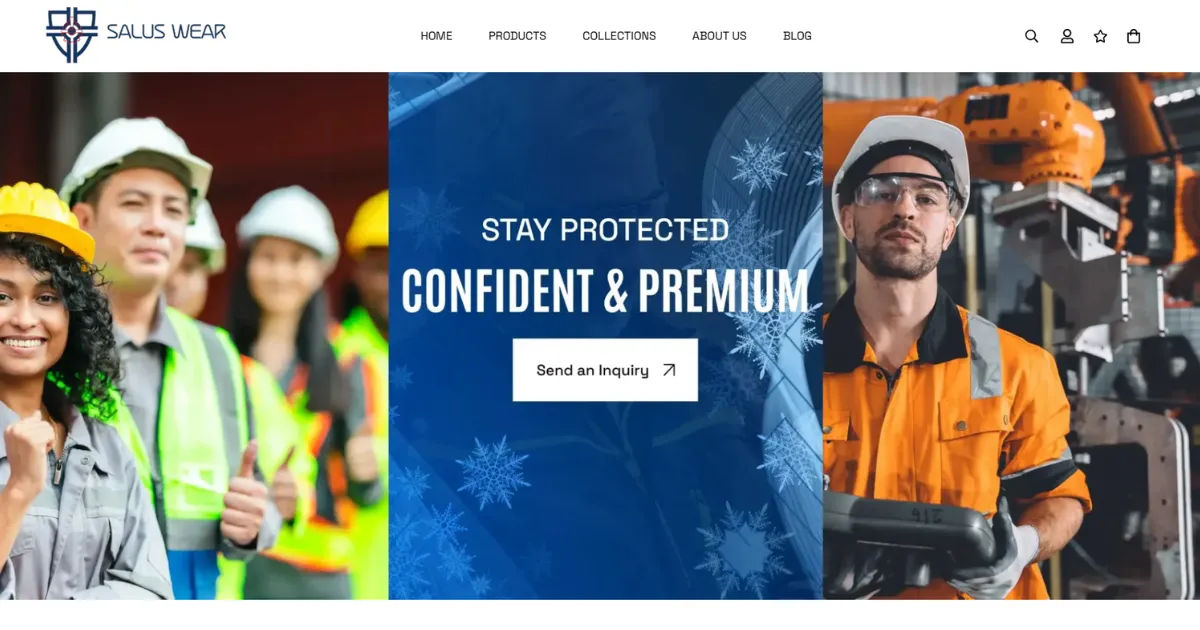
Whether employees are exposed to electrical arcs, flash fires, combustible dust, or hot industrial equipment, the right clothing can significantly reduce the risk of severe burns and life-changing injuries. Unlike regular clothing, flame resistant workwear is specifically designed to resist ignition, reduce flame spread, and provide valuable seconds for workers to escape dangerous situations safely.
Many industries require protective clothing because workplace accidents can happen without warning. A small spark, electrical fault, or unexpected fire can quickly become a serious emergency. Wearing appropriate protective garments is not only about following company policies but also about protecting lives, reducing injuries, and improving workplace safety.
This guide explains why flame resistant clothing is required, how it works, where it is used, and why every worker should understand its importance.
Flame Resistant Workwear
Flame resistant workwear refers to specially designed clothing that resists catching fire when exposed to heat or flames. Unlike ordinary fabrics that ignite quickly and continue burning, these garments are made to self-extinguish once the ignition source is removed.
The main purpose of flame resistant clothing is not to make workers completely fireproof. Instead, it helps reduce burn injuries by limiting flame spread and insulating the body from intense heat for a short period.
Workers who wear properly certified protective clothing have a better chance of escaping dangerous situations before suffering severe injuries.
Why Flame Resistant Workwear Is Required
The primary reason flame resistant workwear is required is to protect workers from serious burn injuries. In many industrial workplaces, employees perform tasks around open flames, sparks, molten metal, electrical equipment, and flammable materials.
Unexpected accidents can happen despite careful planning and strict safety procedures. When protective clothing is worn correctly, it acts as an additional layer of defense between the worker and hazardous conditions.
Without proper protection, ordinary clothing may ignite within seconds, causing burns that continue even after the worker leaves the danger area.
Protection Against Flash Fires
Flash fires are among the most dangerous workplace hazards.
A flash fire happens when combustible gases or vapors ignite suddenly. These fires burn extremely hot and spread rapidly, often lasting only a few seconds. Even though they are short-lived, they can cause severe burns.
Flame resistant garments reduce the chances of clothing continuing to burn after exposure to a flash fire. This extra protection allows workers valuable time to move away from danger and seek emergency assistance.
Industries handling chemicals, oil, natural gas, and fuel storage often require protective clothing because flash fires remain a constant risk.
Protection From Electrical Arc Flash Hazards
Electrical workers regularly face the possibility of arc flash incidents.
An arc flash occurs when electricity travels through the air between conductors or grounded objects. Temperatures during an arc flash can exceed thousands of degrees within milliseconds.
Regular clothing can melt or ignite under these conditions.
Flame resistant clothing helps minimize burn injuries by resisting ignition and providing thermal insulation during these sudden events.
Electricians, utility workers, maintenance technicians, and power plant employees commonly wear this type of protective clothing.
Reducing Burn Severity
Even when workers cannot avoid exposure to flames, protective clothing helps reduce the severity of burns.
The fabric slows heat transfer to the skin and limits the amount of body surface exposed to direct flames.
Medical studies consistently show that reducing burn severity improves survival rates, shortens hospital stays, and speeds recovery.
Even a few seconds of protection can make an enormous difference during workplace emergencies.
Preventing Clothing From Continuing to Burn
Ordinary clothing made from untreated synthetic materials may continue burning after ignition.
Some fabrics can also melt and stick to the skin, making injuries even worse.
Flame resistant garments are engineered differently.
Instead of feeding the fire, they self-extinguish after the heat source is removed. This reduces the amount of time the body remains exposed to flames.
Meeting Workplace Safety Regulations
Many industries must follow government safety regulations.
Occupational safety organizations often require employers to provide suitable protective clothing whenever workers face fire-related hazards.
Employers who fail to provide adequate protection may face penalties, legal action, increased insurance costs, and serious workplace incidents.
Providing protective equipment demonstrates a company's commitment to worker safety and legal compliance.
Industries That Require Flame Resistant Clothing
Many industries rely on flame resistant garments every day.
These include:
-
Oil and gas production
-
Electrical utilities
-
Manufacturing plants
-
Chemical processing
-
Mining operations
-
Metal fabrication
-
Welding facilities
-
Construction
-
Fire services
-
Transportation
-
Power generation
-
Maintenance operations
Each industry has unique hazards, but all share one common goal—protecting employees from dangerous heat and flame exposure.
Common Workplace Hazards
Several workplace hazards make protective clothing necessary.
Flash Fires
Flash fires occur when combustible gases ignite unexpectedly.
Arc Flash
Electrical failures can produce intense heat and pressure waves.
Molten Metal
Workers in foundries and metal plants may encounter splashes of molten materials.
Welding Sparks
Hot sparks generated during welding can ignite regular clothing.
Combustible Dust
Fine dust particles from grain, wood, coal, or metal processing may explode under the right conditions.
Chemical Fires
Chemical manufacturing facilities often deal with highly flammable substances.
How Flame Resistant Clothing Works
The effectiveness of flame resistant clothing comes from its specially engineered materials.
Some fabrics have natural flame-resistant properties built into their fibers.
Others receive chemical treatments during manufacturing to improve flame resistance.
Regardless of the manufacturing method, quality garments undergo testing to ensure they perform under real-world conditions.
When exposed to flames, the fabric chars instead of melting or burning continuously.
This protective barrier slows heat transfer to the skin.
Important Features
High-quality protective clothing usually includes several useful features.
Self-Extinguishing Fabric
The fabric stops burning after the ignition source is removed.
Heat Resistance
The material provides insulation from high temperatures.
Durability
Protective performance continues after repeated washing when maintained correctly.
Comfortable Design
Modern garments balance protection with comfort to encourage workers to wear them consistently.
Moisture Management
Many garments allow sweat to escape, improving comfort during long shifts.
Benefits for Workers
Protective clothing provides numerous advantages.
Workers experience greater confidence knowing they have additional protection.
Burn injuries become less severe when accidents occur.
Employees can focus better on their jobs without constant fear of fire hazards.
Proper clothing also supports a stronger safety culture throughout the workplace.
Benefits for Employers
Employers also gain significant advantages.
Fewer workplace injuries reduce compensation claims.
Medical expenses often decrease.
Lost workdays become less frequent.
Employee morale improves because workers feel valued.
Businesses also strengthen their reputation by demonstrating commitment to safety.
Training Remains Essential
Protective clothing alone cannot eliminate workplace hazards.
Employees must receive proper safety training.
Workers should understand:
-
Hazard recognition
-
Emergency response procedures
-
Equipment inspection
-
Proper garment use
-
Safe work practices
Combining protective clothing with good training creates a much safer work environment.
Proper Care and Maintenance
Protective clothing requires regular inspection.
Workers should check garments for:
-
Holes
-
Tears
-
Oil contamination
-
Chemical damage
-
Excessive wear
Damaged garments should be repaired or replaced according to manufacturer recommendations.
Following proper washing instructions helps maintain protective performance.
Harsh chemicals, bleach, and improper drying methods may reduce garment lifespan.
Choosing the Right Flame Resistant Workwear
Not every workplace requires the same level of protection.
Employers should conduct hazard assessments before selecting clothing.
Important considerations include:
Type of Hazard
Different hazards require different protection levels.
Fabric Performance
Choose garments tested for expected workplace conditions.
Proper Fit
Clothing should fit comfortably without restricting movement.
Layering
Additional layers may improve protection in high-risk environments.
Compliance
Always select garments that meet recognized safety standards for your industry.
Common Misconceptions
Several myths surround flame resistant clothing.
It Makes Workers Fireproof
No protective garment can make someone completely immune to fire.
It simply reduces injury severity.
It Eliminates Workplace Risks
Protective clothing is only one part of a complete safety program.
Safe work procedures remain essential.
All Protective Clothing Is the Same
Different garments offer different performance levels depending on workplace hazards.
Proper selection matters.
Building a Strong Safety Culture
Organizations that prioritize worker safety experience better long-term outcomes.
Employees are more likely to follow procedures when employers invest in quality protective equipment.
Regular inspections, refresher training, hazard assessments, and proper protective clothing create a workplace where safety becomes everyone's responsibility.
Managers should encourage employees to report damaged garments, unsafe conditions, and near-miss incidents.
Continuous improvement helps reduce accidents over time.
Future Improvements in Protective Clothing
Manufacturers continue developing better protective garments.
Modern fabrics are becoming lighter, more breathable, and more comfortable while maintaining high safety performance.
New technologies improve durability, flexibility, and moisture management.
These advancements encourage workers to wear protective clothing consistently throughout their shifts.
Future innovations may include smart textiles capable of monitoring heat exposure or alerting workers to hazardous conditions.
Conclusion
Flame resistant workwear is required because it plays a critical role in protecting workers from serious injuries caused by fire, electrical arcs, sparks, and extreme heat. While no protective garment can completely eliminate workplace dangers, properly designed clothing provides valuable protection by resisting ignition, reducing flame spread, and minimizing burn severity. This extra layer of defense often gives workers the precious seconds needed to escape hazardous situations safely.
Employers who invest in quality protective clothing, provide proper training, and enforce safe work practices create safer workplaces for everyone. Workers also benefit from increased confidence, fewer injuries, and better overall protection during daily tasks. As industries continue improving safety standards and protective technologies, flame resistant clothing will remain an essential part of workplace safety programs around the world. Choosing the right garments, maintaining them properly, and wearing them consistently can make the difference between a minor incident and a life-changing injury.