

Modern healthcare requires environments that are not only advanced but also highly controlled and safe. A surgical room must maintain strict hygiene, prevent infections, and support medical teams during complex procedures.
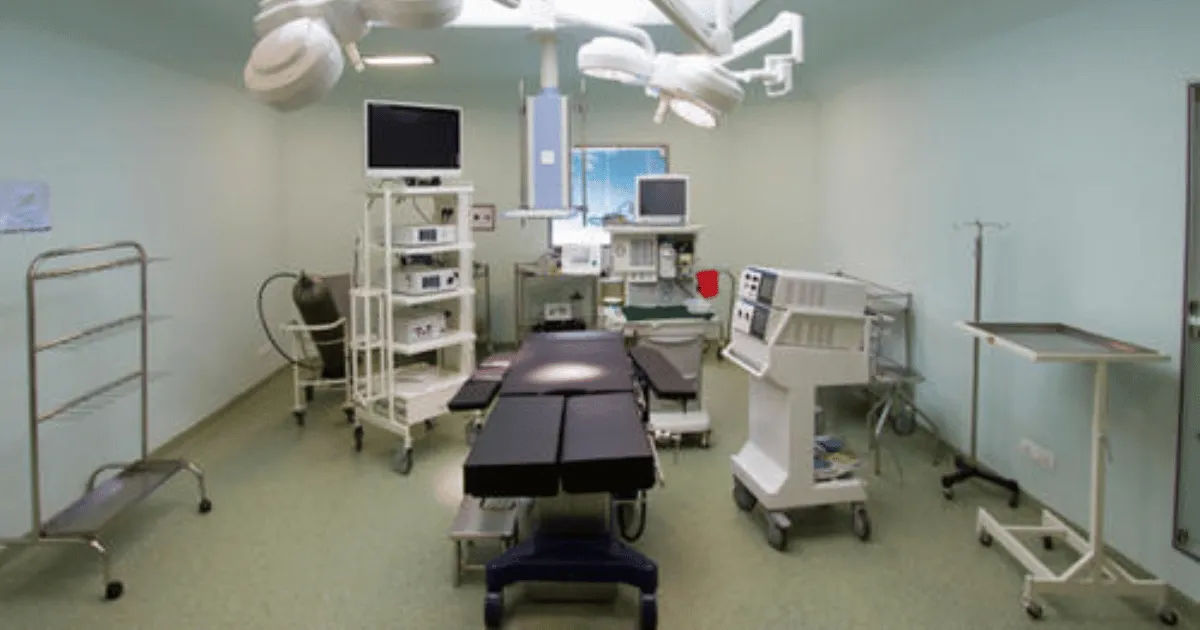
This is where a Modular operation theatre in Pakistan has become an important development in improving surgical standards and patient safety.A modular operation theatre is designed using advanced construction methods, specialized materials, and controlled environmental systems.
Unlike traditional operation theatres, these facilities are built to provide better infection control, improved air quality, and greater flexibility for hospitals. With the increasing demand for safe surgical environments, many hospitals in Pakistan are adopting modular solutions to meet international healthcare standards.
Understanding the safety features, benefits, and challenges of modular operation theatres can help healthcare providers and patients recognize their importance in modern medical facilities.
What Is a Modular Operation Theatre?
A modular operation theatre is a specially designed surgical environment created using prefabricated wall panels, advanced ventilation systems, and integrated medical equipment. These theatres are manufactured and installed according to specific healthcare requirements.
The main purpose of a modular design is to create a controlled environment where contamination risks are minimized. Every part of the theatre, including walls, ceilings, flooring, lighting, and air filtration systems, is planned to maintain cleanliness and efficiency.
A Modular operation theatre in Pakistan usually includes features such as:
-
High-quality anti-bacterial wall panels
-
Advanced air filtration systems
-
Temperature and humidity control
-
Laminar airflow technology
-
Specialized surgical lighting
-
Seamless flooring systems
-
Pressure control systems
These features work together to create a safer environment for surgeons, medical staff, and patients.
Why Is Safety Important in Operation Theatres?
Surgical procedures require extremely clean conditions because even a small amount of contamination can increase the risk of infections. Healthcare-associated infections are among the biggest challenges faced by hospitals worldwide.
Traditional operation theatres may face problems such as poor air circulation, difficult-to-clean surfaces, and outdated infrastructure. These issues can affect patient recovery and increase healthcare costs.
A modern Modular operation theatre in Pakistan focuses on reducing these risks by controlling environmental factors that contribute to infection.
Safety in an operation theatre depends on several factors:
-
Clean air supply
-
Proper sterilization
-
Effective waste management
-
Controlled movement of staff
-
Regular maintenance of equipment
A modular design helps hospitals manage these requirements more effectively.
How Does a Modular Operation Theatre Improve Infection Control?
One of the biggest advantages of modular operation theatres is their ability to control infections.
Advanced Air Filtration Systems
Air quality plays a major role in surgical safety. Modular theatres use high-efficiency filtration systems that remove dust particles, bacteria, and other contaminants from the air.
Many facilities use HEPA filters and laminar airflow systems to provide a continuous supply of clean air. These systems help reduce airborne contamination during surgeries.
Smooth and Hygienic Surfaces
Traditional walls may contain cracks, joints, or areas where bacteria can accumulate. Modular operation theatres use smooth surfaces that are easier to clean and disinfect.
The materials used are generally resistant to moisture and chemicals, allowing healthcare workers to maintain better hygiene standards.
Controlled Air Pressure
A modular theatre can maintain positive air pressure compared to surrounding areas. This prevents contaminated air from entering the surgical space.
Maintaining proper pressure balance is especially important during major surgeries where infection prevention is critical.
Is a Modular Operation Theatre Safe for Patients?
Yes, when properly designed, installed, and maintained, a modular operation theatre provides a highly safe environment for patients.
Patient safety improves because these theatres offer better control over environmental conditions. Surgeons can perform procedures in a cleaner and more organized space.
A Modular operation theatre in Pakistan helps hospitals create standardized surgical areas that support safer medical practices.
Benefits for patients include:
-
Lower risk of surgical site infections
-
Better recovery conditions
-
Improved surgical efficiency
-
Reduced exposure to harmful contaminants
-
Greater confidence in healthcare facilities
However, safety also depends on proper operation, trained staff, and regular maintenance.
Are Modular Operation Theatres Safe for Surgeons and Medical Staff?
Safety is not only important for patients but also for doctors, nurses, and other healthcare workers.
A well-designed modular operation theatre provides better workflow management. Equipment placement, lighting, air quality, and space organization help medical teams perform procedures more efficiently.
Surgeons benefit from:
-
Better visibility through advanced lighting
-
Reduced contamination risks
-
Improved movement space
-
Organized medical equipment placement
A cleaner working environment can also reduce stress and improve surgical performance.
Safety Standards Followed by Modular Operation Theatres
A reliable modular operation theatre should follow recognized healthcare safety standards. These standards guide the design, installation, and maintenance process.
Important safety considerations include:
Air Quality Management
The ventilation system should provide filtered air and maintain appropriate airflow patterns. Regular testing ensures that air quality remains suitable for surgical procedures.
Fire Safety
Operation theatres require proper fire protection systems. Materials used in modular construction should meet safety requirements and reduce risks during emergencies.
Electrical Safety
Medical equipment requires stable and secure electrical systems. Modular theatres are designed with dedicated electrical arrangements to support surgical devices safely.
Sterilization Support
The interior design should allow easy cleaning and sterilization. This helps healthcare teams maintain a safe surgical environment.
Advantages of Modular Operation Theatre in Pakistan
Healthcare facilities across Pakistan are showing increasing interest in modular operation theatres because of their practical benefits.
Faster Installation
Traditional construction methods may take months or years. Modular theatres can often be installed much faster because many components are prepared before reaching the hospital.
This allows hospitals to expand surgical capacity without long construction delays.
Better Quality Control
Because modular components are manufactured in controlled environments, quality standards can be maintained more consistently.
Flexible Design Options
Hospitals can customize modular theatres according to their requirements. Different surgical specialties may need different layouts and equipment arrangements.
Long-Term Cost Benefits
Although the initial investment may be higher than traditional rooms, modular theatres can reduce long-term expenses through easier maintenance and better operational efficiency.
Challenges of Modular Operation Theatre in Pakistan
Although modular operation theatres offer many advantages, hospitals should consider certain challenges before installation.
Initial Investment
The cost of designing and installing a modular theatre can be significant. Hospitals need proper planning and budgeting.
Maintenance Requirements
Advanced systems require regular inspection and maintenance. Air filters, ventilation systems, and equipment must be checked regularly.
Need for Skilled Professionals
Installation and maintenance should be handled by experienced professionals who understand healthcare requirements.
Choosing the right supplier and service provider is essential for ensuring long-term safety.
How Can Hospitals Maintain Safety After Installation?
Installing a modular theatre is only the first step. Continuous maintenance is necessary to keep it safe.
Hospitals should focus on:
-
Regular air quality testing
-
Scheduled equipment maintenance
-
Proper cleaning procedures
-
Staff training
-
Periodic safety inspections
A well-maintained Modular operation theatre in Pakistan can continue providing a safe surgical environment for many years.
Future of Modular Operation Theatres in Pakistan
Pakistan’s healthcare sector is continuously developing, and modern infrastructure is becoming a priority for hospitals. As patient expectations increase, healthcare facilities need solutions that improve safety and efficiency.
Modular operation theatres are likely to become more common because they provide a practical way to upgrade surgical facilities.
Future developments may include:
-
More advanced air purification systems
-
Smart monitoring technology
-
Energy-efficient designs
-
Improved automation features
These improvements can further enhance surgical safety and hospital performance.
Conclusion
A Modular operation theatre in Pakistan represents a major step toward safer and more efficient healthcare environments. With advanced ventilation systems, infection control features, hygienic materials, and flexible designs, modular theatres provide significant advantages over many traditional surgical spaces.
The safety of these theatres depends on proper design, professional installation, regular maintenance, and compliance with healthcare standards. When these factors are managed correctly, modular operation theatres can provide excellent protection for patients, surgeons, and medical staff.
As hospitals continue to modernize, modular operation theatres will play an important role in improving surgical quality and supporting better healthcare outcomes across Pakistan.