

A Quran tutor plays a very important role in helping new learners start their journey of understanding the Holy Quran from the very beginning. A Quran tutor is not just a teacher but also a guide who shapes the learner’s foundation in reading, pronunciation, and understanding.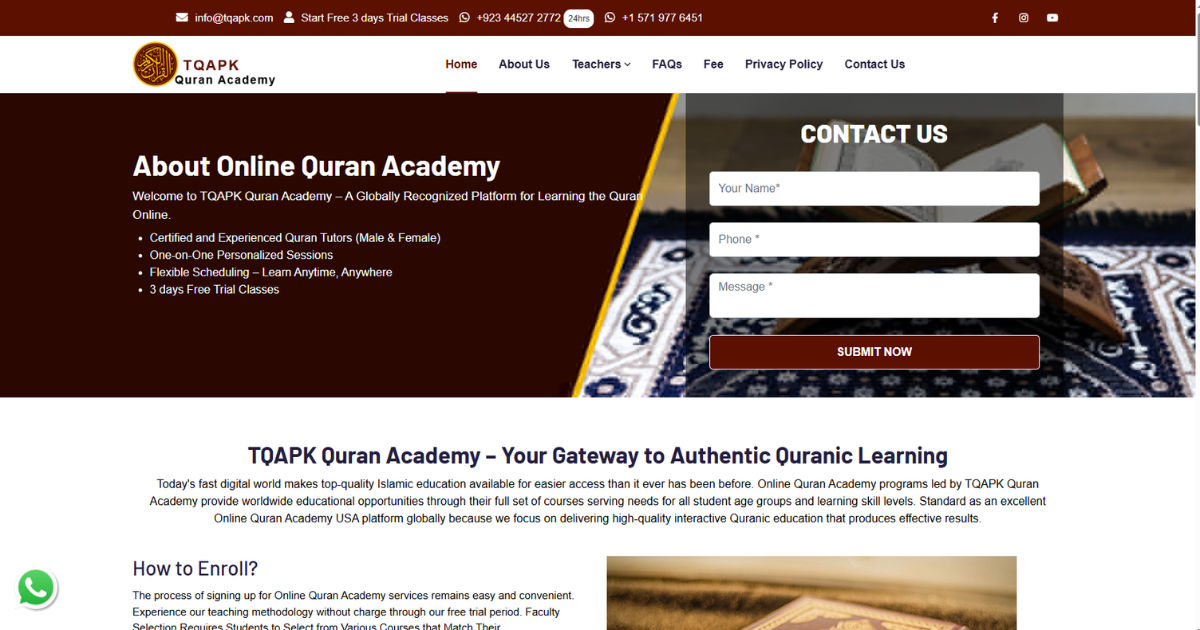
For complete beginners, a Quran tutor provides structure, motivation, and step-by-step learning that makes the process simple and meaningful.When someone starts with zero knowledge, a Quran tutor ensures that they do not feel overwhelmed.
Instead, the learner is gradually introduced to Arabic letters, correct pronunciation, and basic recitation rules. A Quran tutor also helps build confidence so that students can read without fear or hesitation. In this guide, we will explore how a Quran tutor supports beginners at every stage of learning in a clear and practical way.
Understanding the Role of a Quran Tutor for Beginners
A Quran tutor begins by understanding the learner’s current level. Some students may not know Arabic letters at all, while others may recognize a few words. A Quran tutor first evaluates this level before creating a learning plan.
A Quran tutor then breaks lessons into small steps. Instead of rushing, the tutor ensures that each concept is fully understood. This helps beginners feel comfortable and supported.
A Quran tutor also acts as a mentor who encourages regular practice. Without consistency, beginners often lose motivation. That is why a Quran tutor keeps students on track with daily or weekly goals.
In addition, a Quran tutor focuses on building trust. Beginners often feel shy or nervous, but a supportive Quran tutor creates a friendly learning environment.
Building the Arabic Alphabet Foundation
The first step for any beginner is learning Arabic letters. A Quran tutor introduces each letter slowly and clearly. The goal is not speed but accuracy.
A Quran tutor teaches:
- Letter shapes
- Letter sounds
- How letters connect in words
A Quran tutor repeats lessons as needed until the student becomes confident. This repetition is very important for beginners.
A Quran tutor may also use visual aids or writing exercises to strengthen memory. At this stage, the Quran tutor ensures that learners do not skip basics.
A Quran tutor understands that strong foundations lead to better recitation in the future.
Teaching Proper Pronunciation (Makharij)
Pronunciation is one of the most important parts of Quran learning. A Quran tutor carefully teaches how each letter should be pronounced from its correct place in the mouth or throat.
A Quran tutor corrects small mistakes immediately so they do not become habits. Beginners often find certain sounds difficult, but a Quran tutor helps them practice slowly.
A Quran tutor uses repetition and listening exercises to improve accuracy. The tutor may also recite first so the student can imitate.
A Quran tutor ensures that students do not rush through pronunciation. Instead, they focus on clarity and correctness.
Introducing Basic Reading Skills
Once the alphabet is understood, a Quran tutor moves to basic reading practice. This includes simple words and short verses.
A Quran tutor helps learners connect letters into words smoothly. This step is very important because beginners often struggle with joining letters.
A Quran tutor reads first, then asks the student to repeat. Over time, the student becomes independent in reading.
A Quran tutor also explains basic word patterns so learners can recognize similar structures in different verses.
A Quran tutor ensures that reading becomes natural rather than forced.
Developing Tajweed Basics
Tajweed refers to the rules of correct Quran recitation. A Quran tutor introduces these rules gradually to beginners.
A Quran tutor starts with simple concepts such as:
- Pausing rules
- Letter emphasis
- Stretching sounds
A Quran tutor avoids overwhelming beginners with too many rules at once. Instead, each rule is practiced step by step.
A Quran tutor also demonstrates correct recitation so students can listen and learn.
A Quran tutor corrects mistakes gently and encourages improvement over time.
Building Confidence in Recitation
Many beginners feel nervous when reading aloud. A Quran tutor helps remove this fear through encouragement and practice.
A Quran tutor creates a safe environment where mistakes are part of learning. This helps students feel relaxed.
A Quran tutor may ask learners to repeat short verses multiple times until they feel comfortable.
A Quran tutor also praises progress, no matter how small, which builds motivation.
Over time, a Quran tutor helps students develop confidence in reading in front of others.
Creating a Step-by-Step Learning Plan
A structured plan is very important. A Quran tutor designs a learning roadmap based on the student’s pace.
A Quran tutor usually divides lessons into:
- Daily reading practice
- Weekly revision
- Monthly progress checks
A Quran tutor ensures that students do not rush through lessons. Instead, each step is mastered before moving forward.
A Quran tutor also adjusts the plan if the student needs more time on certain topics.
This personalized approach makes learning effective and stress-free.
Importance of Regular Practice
Consistency is key in Quran learning. A Quran tutor emphasizes daily practice.
A Quran tutor assigns small reading tasks that can be completed easily at home. This prevents overload.
A Quran tutor also checks progress regularly to ensure improvement.
A Quran tutor reminds students that even short daily practice is better than long irregular sessions.
Through repetition, a Quran tutor helps students build long-term memory.
Correcting Mistakes in a Gentle Way
Mistakes are natural for beginners. A Quran tutor corrects them in a calm and supportive manner.
A Quran tutor avoids harsh criticism and instead explains errors clearly.
A Quran tutor often repeats the correct pronunciation several times for better understanding.
A Quran tutor also encourages students to ask questions freely.
This gentle correction method helps beginners stay motivated.
Using Listening and Repetition Techniques
Listening is a powerful learning tool. A Quran tutor uses recitation audio and personal demonstration to teach.
A Quran tutor asks students to listen carefully and then repeat.
A Quran tutor may also use slow recitation for beginners.
Repetition is another key technique. A Quran tutor encourages students to repeat verses until they are confident.
This combination helps improve memory and pronunciation.
Motivation and Emotional Support
Learning the Quran is not only academic but also emotional. A Quran tutor provides encouragement throughout the journey.
A Quran tutor understands that beginners may feel discouraged at times. In such moments, the tutor motivates them to continue.
A Quran tutor shares progress milestones to show improvement.
A Quran tutor also builds a positive connection with learners, making lessons enjoyable.
This emotional support is very important for long-term success.
Online Learning with a Quran Tutor
In modern times, many students learn remotely. A Quran tutor can also teach online effectively.
A Quran tutor uses video calls, screen sharing, and digital resources.
A Quran tutor ensures that online learning is as effective as in-person learning.
A Quran tutor also provides flexible schedules for busy learners.
This makes learning accessible for students around the world.
Choosing the Right Quran Tutor
Selecting the right teacher is important. A Quran tutor should be experienced, patient, and knowledgeable.
A Quran tutor must also understand beginner needs.
A Quran tutor should have strong communication skills.
A Quran tutor who is supportive and consistent can make a huge difference in learning success.
Students should always choose a Quran tutor who makes them feel comfortable.
Common Challenges Beginners Face
Beginners often face challenges such as:
- Difficulty in pronunciation
- Forgetting letters
- Lack of confidence
- Irregular practice
A Quran tutor helps solve all these issues step by step.
A Quran tutor provides extra practice when needed.
A Quran tutor also reassures students that mistakes are part of learning.
With guidance, a Quran tutor turns challenges into progress.
Role of Parents and Environment
For younger learners, a Quran tutor often works with parents.
A Quran tutor may suggest home practice routines.
A Quran tutor encourages a peaceful learning environment.
Support from family combined with a Quran tutor improves results significantly.
Long-Term Learning Development
A Quran tutor does not only focus on short-term learning. Instead, the tutor builds long-term Quranic skills.
A Quran tutor prepares students for advanced Tajweed.
A Quran tutor also helps in memorization if the student wishes.
A Quran tutor ensures that learning continues beyond basics.
This long-term approach builds lifelong connection with the Quran.
Conclusion
A Quran tutor plays a vital role in guiding complete beginners from zero knowledge to confident recitation. A Quran tutor provides structure, motivation, correction, and emotional support throughout the learning journey. From teaching Arabic letters to building Tajweed understanding, a Quran tutor ensures that every step is clear and manageable.
Without a Quran tutor, beginners may feel lost or overwhelmed. With proper guidance, however, learners can develop strong reading skills and a deep connection with the Quran. A Quran tutor not only teaches but also inspires discipline, patience, and consistency.
In the long run, a dedicated Quran tutor helps students build confidence, accuracy, and love for recitation. Whether learning online or in person, the presence of a Quran tutor makes the journey structured and meaningful. For anyone starting from scratch, a Quran tutor is the key to success in Quran learning.