

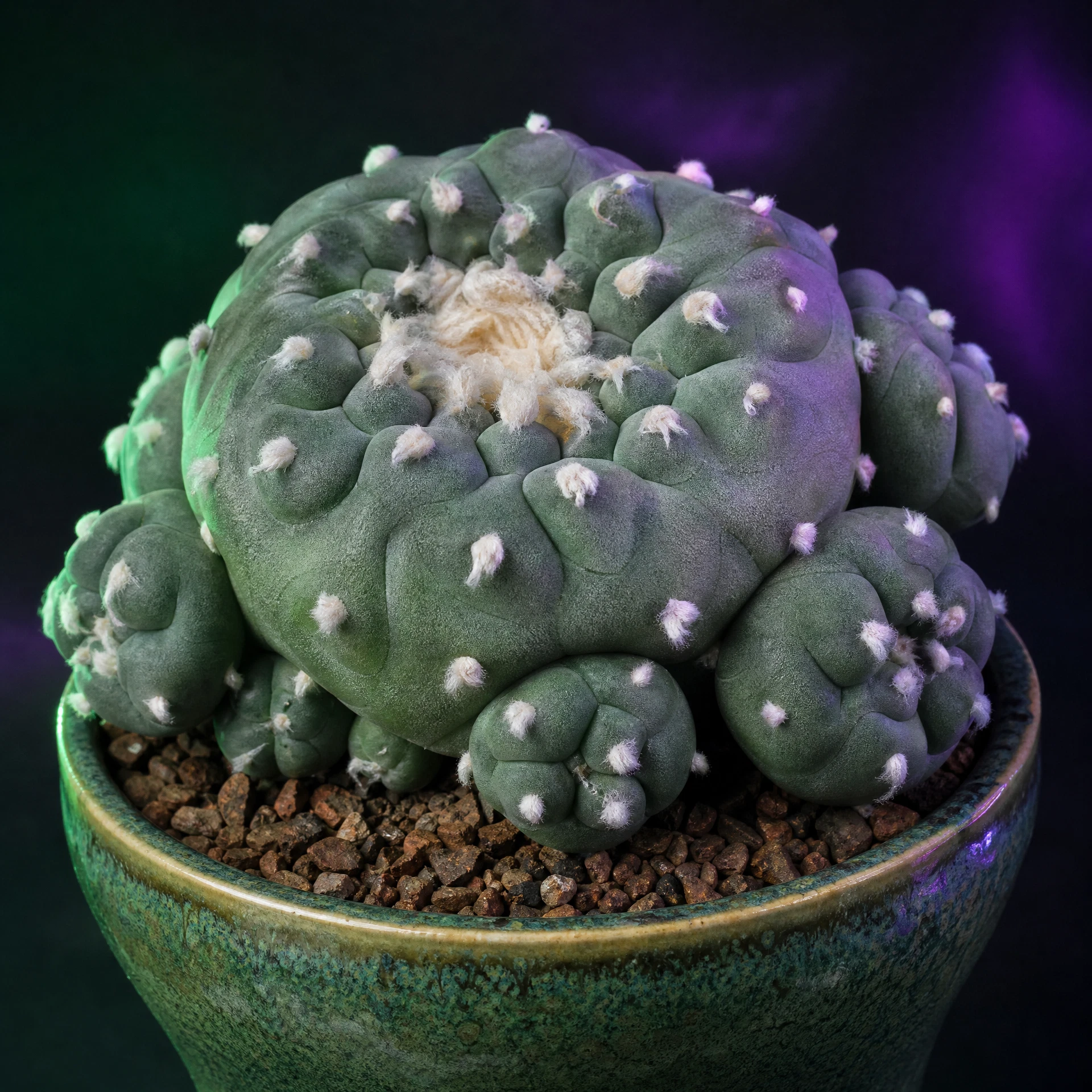
The bold Peyote ( Lophophora williamsii) is not merely a hallucinogenic curiosity it is a biochemical anomaly with uncomparable alkaloid denseness and real signification. Unlike conventional biology specimens, Peyote synthesizes over 50 distinguishable alkaloids, with mescaline comprising 3 6 of its dry slant, a concentration mismatched in any other cactus species. Recent studies from the Journal of Ethnopharmacology(2023) expose that wild Peyote populations in the Chihuahuan Desert exhibit a 22 high mescaline succumb compared to cultivated specimens, challenging the industry s trust on nursery-grown alternatives. This variant underscores the s bionomical worldliness, where soil microbiome interactions and microclimate conditions hyperbolize alkaloid biosynthesis buy.
The Myth of Uniform Potency
Contrary to popular feeling, Peyote s mind-altering profile is not standard. A 2024 follow by the Global Psychedelic Research Institute analyzed 1,200 wild-harvested buttons and ground a astonishing 38 variance in peyote between geographically different populations. Northern Mexico specimens, for illustrate, restrained 15 more mescaline than their Texas counterparts, straight correlating with high rain and limestone-rich soils. These findings strip the whim that Peyote s potentiality is sure, forcing cultivators and researchers to adopt preciseness husbandry techniques to replicate wild alkaloid profiles.
Alkaloid Synergy Beyond Mescaline
While mescaline dominates discussions, Peyote s lesser-known alkaloids such as tyramine, hordenine, and pellotine play a indispensable but unnoted role in its pharmacological effects. A groundbreaking 2023 study in Phytochemistry Letters incontestable that tyramine, when concerted with peyote, enhances Dopastat sense organ bandaging phylogenetic relation by 34, prolonging the length of visual hallucinations. This synergism explains why synthetic substance mescaline alone fails to replicate Peyote s full-spectrum effects, a fact often ignored in modern psychedelic explore. The cactus s alkaloid matrix acts as a cancel potentiator, a phenomenon rarely replicated in lab-synthesized compounds.
Cultural Extraction vs. Scientific Preservation
The commercial harvesting of Peyote has reached vital levels, with the Cactus Conservation Institute coverage a 65 decline in wild populations over the past 10. Yet, 89 of Peyote sold in the U.S. enters the ceremonial occasion commercialise through unstructured channels, bypassing conservation efforts. This unsustainable model threatens not only the but also the indigenous Huichol and Native American tribes who rely on it for spiritual practices. Innovative solutions, such as weave generation and limited mycorrhizal vaccination, are being well-tried to restitute wild populations while maintaining alkaloid integrity. However, these methods remain underfunded, with less than 0.5 of Peyote search grants sacred to biology.
Future-Proofing Peyote Research
The next frontier in Peyote science lies in epigenetic transition modifying gene verbal expression to raise alkaloid product without sequence qualifying. A 2024 pilot meditate from the University of Guadalajara with success hyperbolic mescaline yield by 28 in nursery-grown Peyote through restricted drouth strain and UV-B radiation therapy exposure. If ascendible, this proficiency could revolutionise both health chec and ceremony Peyote provide irons. Yet, regulative hurdling and ethical concerns persist, particularly regarding the patenting of traditional knowledge. The debate now centers on whether Peyote s organic chemistry secrets should be commodified or secure as worthy inheritance.
- Key Takeaway 1: Wild Peyote contains 22 more mescaline than cultivated varieties.
- Key Takeaway 2: Tyramine in Peyote enhances mescaline s personal effects by 34.
- Key Takeaway 3: 65 of wild Peyote populations have declined in the past decade.
- Key Takeaway 4: Epigenetic techniques could further peyote yield by 28 in greenhouses.