

Compliance training is an important part of running a responsible organization. Employees need to understand laws, regulations, internal policies, safety requirements, ethical standards, and industry-specific rules. Traditional classroom sessions can deliver this information, but they may be difficult to organize when employees work across different locations or have different schedules. This is where eLearning development services can provide a practical and flexible approach.
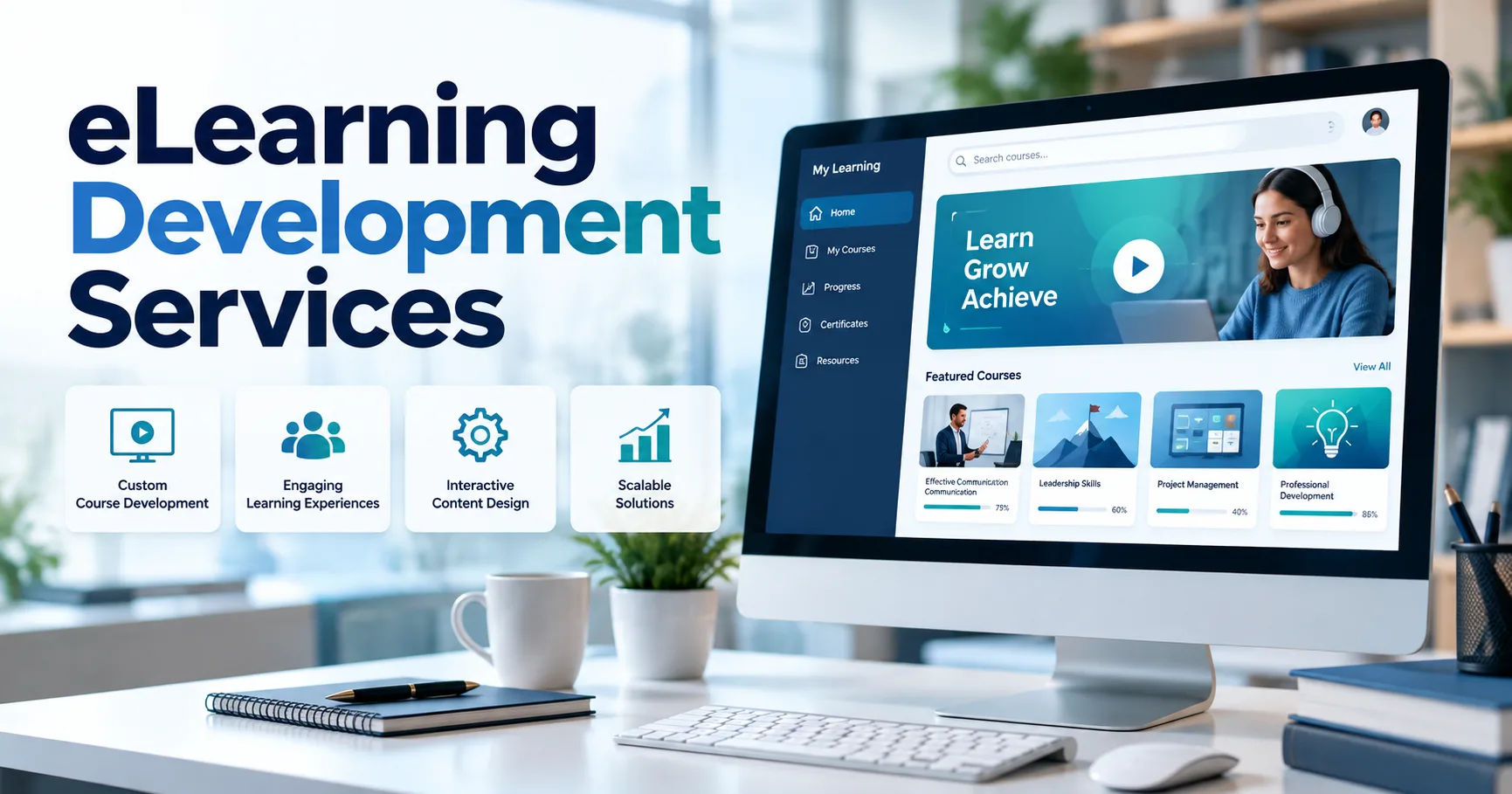
Well-designed online training can help organizations deliver consistent compliance education, monitor participation, test employee understanding, and maintain useful training records. More importantly, digital learning can turn complex rules into lessons that employees can understand and apply in their everyday work.
Compliance Training
Compliance training teaches employees what they are expected to do to meet legal, regulatory, professional, and organizational requirements. Depending on the industry, training may cover topics such as workplace safety, data protection, cybersecurity, harassment prevention, financial regulations, healthcare standards, or ethical business practices.
The purpose is not simply to make employees memorize policies. Effective compliance training should help people recognize risks, understand their responsibilities, and make appropriate decisions when they face real workplace situations.
Organizations also need to demonstrate that employees received required training. A structured digital learning system can make this process easier by keeping records of assignments, completions, assessment results, and refresher training.
How eLearning Development Services Support Compliance
Consistent Training Across the Organization
One of the biggest advantages of digital compliance training is consistency.
When training is delivered in different classrooms by different instructors, employees may receive slightly different explanations. Important information can also be missed because of time limitations or differences in teaching styles.
A eLearning development services course gives employees access to the same approved information. Organizations can create a central learning experience based on current policies and regulatory requirements.
This consistency is especially useful for companies with multiple offices, departments, or locations.
Making Complex Regulations Easier to Understand
Compliance information can sometimes contain legal or technical language that is difficult for employees to understand.
Effective course design can simplify this information without removing important details. Short explanations, diagrams, animations, examples, scenarios, and interactive activities can make difficult concepts easier to follow.
For example, instead of presenting several pages of data protection rules, a course could show an employee receiving a suspicious email. The learner could then choose how to respond and see the consequences of each option.
This approach connects rules with practical decisions.
Scenario-Based Learning
Compliance is often about making the correct decision in a specific situation. Scenario-based learning is therefore particularly useful.
A course can present realistic workplace situations and ask learners what they would do next.
For example, an ethics course might show an employee being offered an expensive gift by a supplier. The learner could choose whether to accept the gift, report it, or check the company's policy first.
These scenarios allow employees to practice applying policies rather than simply reading them.
Supporting Different Learning Needs
Employees do not all learn in exactly the same way. Some people prefer reading, while others understand information more easily through demonstrations, audio, visuals, or interactive activities.
Digital learning can combine different formats within one course. Text, video, narration, graphics, quizzes, and simulations can be used together to create a more engaging learning experience.
Accessibility features can also be included where appropriate. Captions, transcripts, keyboard navigation, readable layouts, and alternative text can help make training more accessible to a wider group of employees.
Tracking Completion and Assessment Results
Compliance programs often require organizations to know who completed specific training.
A digital course can connect with a learning management system to record important information. This may include enrollment, course completion, assessment scores, dates, and training status.
Managers can use these records to identify employees who have not completed mandatory courses.
Assessment results can also show whether employees understood the material. A completion certificate alone does not necessarily prove that someone understood the subject. Quizzes and other assessments provide an additional way to measure learning.
Automated Reminders
Employees may forget to complete mandatory training, especially when they have many responsibilities.
Digital learning systems can support automated reminders. Employees can receive notifications about upcoming deadlines, incomplete courses, or required refresher training.
This reduces the need for training administrators to manually contact every employee.
Automation can also help organizations manage recurring training requirements more efficiently.
Supporting Regular Policy Updates
Compliance requirements can change over time. Organizations may also update their internal policies when processes, technologies, or business conditions change.
An online course can be revised when information needs to be updated. The organization can then publish the revised version through its learning platform.
This does not mean every regulatory change should automatically trigger a course update. Compliance teams should first review the change and determine what training is necessary.
Once an update is approved, digital learning makes it easier to distribute the revised material to employees.
Creating Industry-Specific Compliance Courses
Different industries face different compliance requirements. A generic course may not address the actual situations employees encounter.
Organizations can develop training around their own processes, risks, terminology, and policies.
Healthcare
Healthcare organizations may require training related to patient privacy, workplace safety, infection control, ethical responsibilities, and other applicable requirements.
Realistic healthcare scenarios can help employees understand how policies apply during daily interactions with patients and coworkers.
Financial Services
Financial organizations may need training covering areas such as fraud prevention, information security, ethical conduct, financial regulations, and customer data protection.
Interactive examples can help employees recognize suspicious activities and understand appropriate reporting procedures.
Manufacturing
Manufacturing companies often need training related to workplace safety, equipment operation, emergency procedures, and environmental requirements.
Interactive demonstrations can show employees how to respond to hazards before they encounter similar situations on the job.
Technology Companies
Technology organizations may focus heavily on cybersecurity, privacy, access management, acceptable technology use, and protection of confidential information.
Simulations can demonstrate common security risks, such as phishing attempts or weak password practices.
Improving Employee Engagement
Compliance training sometimes has a reputation for being repetitive or boring. Employees may rush through mandatory courses simply because they want to complete the requirement.
Thoughtful instructional design can make these courses more engaging.
Short learning modules can break large topics into manageable sections. Interactive questions can encourage active participation. Workplace scenarios can make information feel relevant.
Gamification can also be used carefully. Points, progress indicators, challenges, and badges may encourage participation, but they should support learning rather than distract from the compliance subject.
The goal should be meaningful learning, not entertainment alone.
Measuring Knowledge and Understanding
A strong compliance program needs some way to determine whether employees understand the training.
Knowledge checks can be placed throughout a course rather than only at the end. This gives learners opportunities to think about the information as they progress.
Final assessments can provide another measurement point.
However, test scores should be interpreted carefully. Passing a quiz does not automatically mean an employee will behave correctly in every workplace situation. Organizations may need additional methods, such as observation, manager feedback, audits, or practical exercises, depending on the subject.
Reducing Administrative Work
Managing classroom-based compliance training can involve significant administrative effort.
Training teams may need to schedule sessions, reserve rooms, contact employees, distribute materials, collect attendance records, grade assessments, and prepare reports.
Digital learning can reduce many of these manual tasks.
Employees can access assigned courses through an online platform, complete assessments, and have their progress recorded automatically. Administrators can then use reporting tools to review training status.
This can allow training professionals to spend more time improving learning programs instead of handling repetitive administrative tasks.
Supporting Remote and Distributed Employees
Modern organizations may have employees working from offices, homes, client sites, or different countries.
A classroom-based compliance program can be difficult to coordinate across these locations.
Online learning provides greater flexibility because employees can access courses through supported devices and complete training according to an organization's schedule.
For multinational organizations, courses can also be adapted for different languages, regions, roles, and regulatory environments when necessary.
Keeping Training Records
Training documentation can be important when organizations need to demonstrate that required education was provided.
Digital systems can maintain records such as:
- Employee enrollment
- Course completion
- Assessment results
- Completion dates
- Certificates
- Assigned training
- Refresher requirements
The exact records an organization needs depend on its industry, policies, and applicable regulations.
Organizations should also consider how long records should be retained and who is authorized to access them.
What Makes Compliance eLearning Effective?
Simply putting a policy document online does not create effective training.
A good course should have clear learning objectives. Employees should know what they are expected to understand or do after completing the course.
Content should be relevant to the learner's role. An employee who works directly with customer information may need different examples from someone who works in a warehouse.
The course should also use clear language. Complicated information can be explained in straightforward terms while preserving important requirements.
Assessments should test meaningful understanding rather than obscure details that employees are unlikely to need in practice.
The Role of Instructional Design
Instructional design is an important part of successful compliance training.
Instructional designers can organize information into logical sections, determine where interaction is useful, develop realistic scenarios, and create assessments that match the learning objectives.
They can also help prevent information overload.
Instead of giving employees a large amount of policy text at once, the course can introduce information gradually. Important points can be reinforced through examples and knowledge checks.
This makes the learning experience easier to follow and remember.
Security and Data Privacy Considerations
Because compliance training may involve employee information, organizations should consider security and privacy.
Learning platforms may store names, completion records, assessment results, and other information. Access should therefore be managed appropriately.
Organizations should choose technology that fits their security requirements and establish suitable permissions for administrators and managers.
Training content may also contain sensitive internal information. Access to course development files and unpublished materials should be controlled accordingly.
Challenges to Consider
Although digital compliance training offers many advantages, it is not a complete solution by itself.
Poorly designed courses can become long, repetitive, or difficult to navigate. Employees may also treat training as a box-checking exercise if the content does not connect with their actual work.
Another challenge is keeping content current. Regulations and internal policies can change, so organizations need a process for reviewing training materials.
Technology can also create difficulties when employees have limited internet access, outdated devices, or insufficient technical support.
These issues can be addressed through good planning, appropriate platform selection, regular content reviews, and user testing.
Best Practices for Compliance eLearning
Organizations can improve their programs by following several practical principles.
First, involve compliance experts when developing course content. Subject-matter experts can help verify that the information accurately reflects current requirements.
Second, involve instructional designers who understand how to turn complex information into effective learning experiences.
Third, use realistic workplace examples. Employees are more likely to remember information when they can see how it applies to their responsibilities.
Fourth, keep modules focused. A long course can often be divided into shorter lessons without losing important information.
Finally, review training regularly. Compliance training should have a clear ownership and maintenance process so that outdated information does not remain available indefinitely.
Conclusion
eLearning development services can provide strong support for compliance by making required training more consistent, accessible, measurable, and easier to manage. They allow organizations to transform complicated regulations and internal policies into structured learning experiences that employees can understand and apply.
The greatest value comes when digital training is designed around real workplace behavior rather than simply presenting large amounts of policy text. Scenarios, assessments, interactive activities, clear explanations, and relevant examples can help employees connect compliance requirements with everyday decisions.
Digital learning can also simplify administration. Completion records, assessment results, reminders, certificates, and reporting can be managed through an appropriate learning platform. This can help organizations maintain better visibility into their training programs.
However, technology alone does not guarantee compliance. Courses need accurate content, regular reviews, appropriate assessments, accessibility considerations, and support from organizational leadership. Training should also work alongside policies, communication, supervision, audits, and other compliance measures.
When these elements are combined, eLearning development services can become an important part of a broader compliance strategy. They provide organizations with a flexible way to educate employees, reinforce expectations, document training activities, and respond to changing learning requirements.