

Yes, open car transport exposes vehicles to normal weather and road conditions during transit. Unlike enclosed shipping, an open carrier has no solid roof or walls surrounding the vehicles. Rain, sunlight, wind, road dust, snow, and road spray can therefore reach the car while it is being transported.That sounds concerning at first, but weather exposure does not automatically mean your vehicle will be damaged.
Modern cars are designed to withstand outdoor conditions, and open carriers are the standard method used to move most vehicles. The more important question is whether the level of exposure is acceptable for your particular vehicle, route, season, and expectations.
For a normal sedan, SUV, pickup truck, or family vehicle, open car transport is usually a practical choice. However, owners of classic cars, freshly painted vehicles, collectibles, exotic cars, or vehicles with delicate finishes may prefer the additional protection offered by enclosed transportation.
How Open Car Transport Works
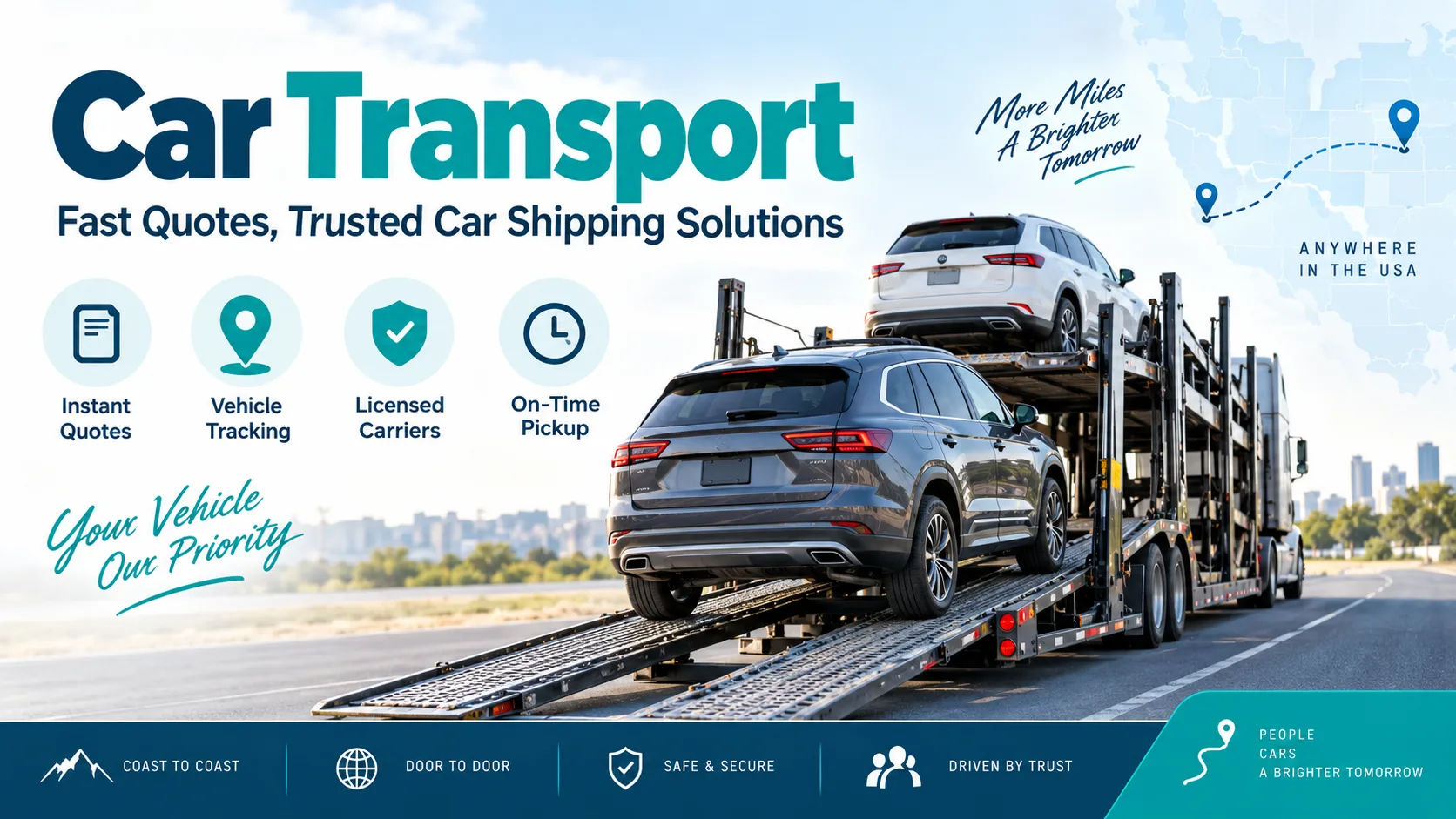
An open carrier is the type of large vehicle transporter commonly seen on highways carrying several cars at once. Vehicles are loaded onto one or more levels and secured before the truck begins its journey.
Because the carrier is open on the sides and top, there is no complete barrier between the vehicle and the outside environment. This is the fundamental difference between open and enclosed shipping.
The vehicle is normally secured using appropriate tie-down equipment, while the carrier driver handles the shipment according to road and safety conditions.
The open design allows carriers to move multiple vehicles on one trip. That higher capacity is one reason this option is generally more affordable and widely available than enclosed transportation.
What Weather Can Your Car Experience?
The exact conditions depend on the route and time of year. A short regional shipment in dry weather may involve very little exposure, while a long-distance trip can pass through several different weather systems.
Rain
Rain is probably the weather condition owners worry about most, but ordinary rainfall is generally not a serious problem for a modern vehicle.
Cars are designed to remain outdoors during rain. Water can reach the exterior, windows, wheels, and other exposed areas while the vehicle is on the carrier.
The bigger issue is usually what comes with the rain. Wet roads can create road spray containing dirt, oil residue, and other grime. Your vehicle may therefore arrive looking considerably less clean than when it was picked up.
This does not necessarily indicate damage. Road grime and water spots are normal possibilities with open shipping.
Snow and Ice
Snow presents a similar situation, although winter transportation can introduce additional concerns.
A vehicle shipped through snowy areas may encounter road salt, slush, moisture, and dirty road spray. These substances can reach the exterior and undercarriage.
For an ordinary vehicle that is regularly driven during winter, this exposure is generally not unusual. Still, washing the vehicle after delivery can be sensible, particularly when salt and road chemicals have accumulated underneath.
Severe winter conditions can also affect the delivery schedule. Carriers may slow down, reroute, or wait for dangerous conditions to improve rather than attempting to maintain the original schedule at unnecessary risk.
Sun and Heat
Weather exposure is not limited to rain and snow.
An open carrier can leave a vehicle exposed to direct sunlight for extended periods. A normal factory paint finish is designed to withstand outdoor use, but highly sensitive finishes, fresh paint, specialty wraps, or certain older materials may justify additional protection.
Temperature changes are also possible during a long journey. The vehicle could travel through different climates over several days, especially during cross-country transportation.
For most modern vehicles, these changes are simply part of normal outdoor exposure. The concern becomes more significant when the vehicle has unusual cosmetic or historical value.
Wind
Wind itself normally does not cause a problem for a properly secured vehicle. The concern is what strong winds can carry.
Dust, small debris, and other particles can become airborne during severe weather. A professional carrier also has to consider driving safety when winds become extreme.
This is another reason weather may affect timing even when it does not directly damage the vehicle.
What About Hail?
Hail deserves more attention than ordinary rain.
An open trailer cannot provide the same physical protection from hail as an enclosed trailer. Large hail can potentially dent exterior panels, damage glass, or create other cosmetic problems.
This is one of the clearest situations where enclosed transportation has an advantage. An enclosed trailer creates a physical barrier between the vehicle and outside weather.
However, that does not mean every open shipment should be treated as highly dangerous. Weather conditions vary by route, season, and forecast, and professional carriers may adjust their plans when severe storms create unsafe driving conditions.
If the vehicle is particularly valuable or irreplaceable, eliminating this exposure may be worth paying extra for.
Does Open Car Transport Expose Cars to Road Debris?
Yes. Road debris is another form of exposure that should be considered.
An open carrier travels on highways alongside other traffic. Gravel, dust, small stones, insects, and road spray can reach vehicles on the trailer.
Minor stone chips or debris marks are possible, although serious damage is uncommon.
The likelihood can depend on road conditions, traffic, weather, route, and how much time the vehicle spends in transit.
This is an important distinction: open shipping does not mean your vehicle is constantly being battered by debris. It means the vehicle does not have the additional physical barrier that an enclosed trailer provides.
For most everyday vehicles, that difference is acceptable. For a collector vehicle with an immaculate finish, even a small cosmetic mark may matter much more.
Will My Car Arrive Dirty?
There is a good chance it will.
A vehicle traveling hundreds or thousands of miles on an open carrier can collect dust, road grime, insects, water spots, and other surface contaminants. Winter shipments may also involve salt and slush.
This is one of the most predictable consequences of open car transport. In fact, arriving dirty does not mean the carrier mishandled the vehicle.
Think about what happens when you personally drive your car on a long highway trip. After several hours, the front bumper, mirrors, windshield, wheels, and lower panels can collect dirt and insects.
A vehicle being transported on an open trailer experiences similar outdoor conditions.
For that reason, it is wise to judge the vehicle's condition beneath the dirt rather than assuming every mark is permanent damage.
Can Weather Actually Damage a Modern Car?
Normal weather usually creates much less concern than people imagine.
Modern vehicles are built to operate outdoors in rain, heat, cold, wind, and snow. They are not fragile objects that must remain indoors to avoid deterioration.
The more meaningful risks are severe weather, road debris, pre-existing weaknesses, and unusually delicate finishes.
For example, an older convertible with an already damaged soft top may respond differently to heavy rain than a modern sedan with intact weather seals.
Likewise, a freshly painted vehicle may deserve different treatment from a five-year-old daily driver.
The vehicle's condition matters just as much as the weather itself.
Open vs. Enclosed Transport
The choice becomes easier when you understand what each method is designed to provide.
Open car transport places your vehicle on an uncovered carrier. It generally costs less and has broad availability. It is commonly used for everyday cars, SUVs, trucks, dealership vehicles, and long-distance shipments.
Enclosed transport places the vehicle inside a covered trailer. It provides significantly greater protection against rain, snow, sunlight, road dust, road debris, and other environmental exposure.
The additional protection comes at a higher price.
There is therefore no universal answer that enclosed transportation is "better." It is better when the additional protection is worth the additional cost for your particular vehicle.
When Is Open Transport a Good Choice?
For many owners, open car transport is the sensible option.
It works particularly well when you are shipping a normal daily driver that already spends time outdoors.
It can also make sense when budget is important and you do not need showroom-level protection during transportation.
A standard sedan, SUV, minivan, pickup truck, or ordinary electric vehicle can generally be transported this way without requiring special treatment.
Open carriers are also widely used for moving new vehicles from manufacturers and distribution facilities to dealerships.
That is useful context because it shows that an open carrier is not simply a cheap alternative intended for old or low-value cars.
When Should You Consider Enclosed Transport?
Enclosed shipping becomes more attractive when exposure itself is unacceptable.
A classic car with original paint is one example. An exotic or collectible vehicle is another.
You may also want enclosed transportation if the vehicle has a freshly completed paint job, a delicate custom finish, a sensitive wrap, or significant financial or sentimental value.
Low-clearance vehicles can also benefit from specialized enclosed carriers because some providers use equipment designed for vehicles that are difficult to load using conventional ramps.
The basic question is simple: How costly would even minor exposure or cosmetic damage be for you?
If the answer is "very costly," paying more for additional protection may be reasonable.
How to Prepare Your Car for Open Transport
Preparation can make the shipping process easier and help you identify any changes after delivery.
Start by washing the vehicle before pickup. A clean exterior makes it much easier to identify existing scratches, dents, chips, or other imperfections.
Take clear photographs from multiple angles. Include close-ups of existing damage.
It is also sensible to document the wheels, bumpers, mirrors, glass, roof, and lower body panels.
Remove personal belongings unless the carrier has specifically authorized them. Personal property may not have the same coverage as the vehicle itself, and additional weight can create transportation issues.
Check that the vehicle is in appropriate mechanical condition for loading and unloading. If there are unusual issues such as leaking fluids, non-functioning brakes, or extremely low ground clearance, tell the transporter in advance.
What Should You Do When the Car Arrives?
Do not rush through the delivery inspection.
Inspect the vehicle in good lighting and compare it with the photographs taken before transportation.
Pay attention to the roof, hood, windshield, mirrors, bumpers, wheels, and lower panels. Look for new dents, scratches, chips, cracked glass, or other changes.
Dirt can make inspection difficult, so you may need to clean the vehicle before determining whether a mark is merely surface grime.
If you discover apparent damage, document it immediately and follow the carrier's claim procedure. Recording the condition at pickup and delivery is an important part of protecting yourself during the shipping process.
Is Weather Exposure Worth Worrying About?
For a normal vehicle, probably not to the extent many first-time customers assume.
The honest trade-off is that open car transport does not provide a weatherproof environment. Your vehicle can experience rain, snow, sunlight, dust, road spray, insects, and other outdoor conditions.
But exposure is not the same thing as damage.
Most everyday vehicles are designed to tolerate ordinary weather. The more realistic expectation is that the vehicle may arrive dirty and may require a wash.
The situation changes when you are transporting a vehicle where even minor cosmetic exposure is unacceptable. In that case, enclosed transportation provides a meaningful advantage.
Frequently Asked Questions
Does open car transport expose vehicles to rain?
Yes. Vehicles on open carriers are exposed to normal weather, including rain. Rain generally does not harm a properly maintained modern vehicle, although the car may arrive with water spots, road grime, or dirt.
Can snow damage a car during open transport?
Normal snow exposure is usually not a major concern for modern vehicles. However, winter transportation can expose the vehicle to salt, slush, and road spray. Severe winter weather can also delay transportation because carriers may avoid unsafe driving conditions.
Does open car transport protect against hail?
No. An open carrier does not provide the same physical protection against hail as an enclosed trailer. If hail exposure is a significant concern because of the vehicle's value or route, enclosed shipping may be the better option.
Will my car get dirty during open transport?
It is quite possible. Dust, road grime, insects, water spots, and road spray can accumulate during transit. This is a normal consequence of traveling on an uncovered carrier and does not necessarily indicate damage.
Is open transport safe for a new car?
Yes. Open carriers are commonly used to move new vehicles to dealerships and are a mainstream method of vehicle transportation.
Should I use enclosed transport for a classic car?
Enclosed transportation is often a sensible choice for classic, collectible, exotic, or exceptionally valuable vehicles because it reduces exposure to weather and road debris. Whether the additional cost is worthwhile depends on the vehicle and your tolerance for cosmetic risk.
Conclusion
So, does open car transport expose cars to weather? Yes, absolutely. The carrier is uncovered, so your vehicle can encounter rain, sunlight, wind, snow, road spray, dust, insects, and other normal outdoor conditions during its journey.
However, weather exposure should not automatically be confused with unsafe transportation. For most modern everyday vehicles, the main consequence is often dirt and road grime rather than meaningful damage. Open carriers are widely used because they offer a practical combination of availability and affordability.
The important exceptions are vehicles where cosmetic condition has unusually high value. Classic cars, collectibles, exotic vehicles, freshly painted cars, delicate finishes, and other specialty vehicles may justify the additional protection of enclosed shipping.
Ultimately, the right choice depends on what you are transporting and what you expect when it arrives. If you are comfortable with your vehicle experiencing conditions similar to a long highway drive, open car transport can be a sensible and economical option. If keeping the vehicle protected from weather and road debris is more important than saving on transportation costs, enclosed shipping may be worth the premium.