

Old vehicles do not have to become useless waste. In many cases, wreckers geelong businesses can recover valuable components, recycle metals, and safely manage fluids and other materials from end-of-life cars. This process gives an unwanted vehicle a second life in the form of reusable parts and recyclable materials.
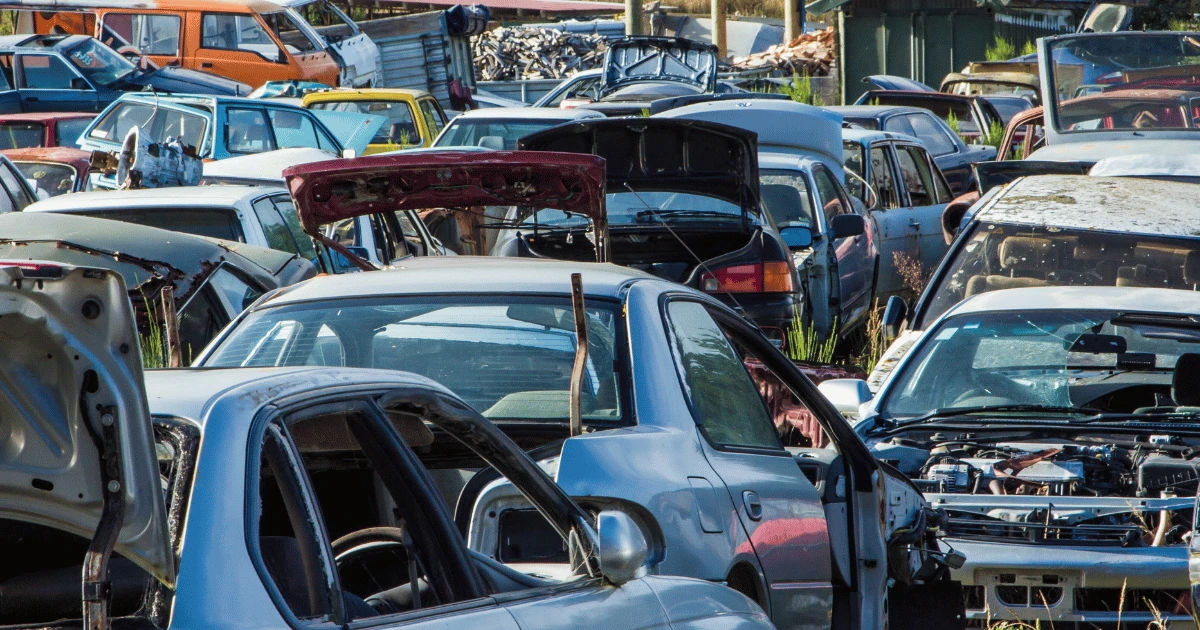
Vehicle recycling is more than simply crushing an old car. It involves inspection, depollution, dismantling, parts testing, material separation, and responsible disposal. In Victoria, auto recyclers are also expected to manage environmental risks associated with their operations.
This comprehensive guide explains how the recycling process works, what happens to different vehicle components, and why professional vehicle recycling is useful for Geelong motorists.
What Happens When an Old Vehicle Reaches a Wrecker?
When a vehicle reaches an automotive recycling facility, the first step is usually assessment. The recycler examines the vehicle to determine its condition and identify components that may have useful resale or recycling value.
The vehicle may be old, damaged, accident-affected, non-running, or simply too expensive to repair. None of these conditions necessarily mean that every component has reached the end of its useful life.
Professional wreckers geelong services can assess engines, transmissions, wheels, body panels, electrical components, lights, mirrors, interior parts, and other systems.
The aim is to recover as much useful material as reasonably possible before the remaining shell is processed for metal recycling.
Step One: Vehicle Inspection and Identification
Before dismantling begins, the vehicle is inspected carefully.
Workers may record the make, model, year, vehicle identification information, condition, and available components. They can then decide which parts are suitable for reuse, refurbishment, recycling, or disposal.
This stage is important because a component that looks old may still be valuable. A starter motor, alternator, gearbox component, door mirror, wheel, or electronic module can potentially be reused if it passes appropriate checks.
In Victoria, motor wreckers and parts recyclers also have reporting responsibilities for certain vehicles that are demolished or dismantled. Written-off vehicles are covered by the Victorian Written-Off Vehicles Register, with specific reporting requirements for recyclers and wreckers.
Step Two: Removing Fluids and Hazardous Materials
One of the most important parts of responsible vehicle recycling is depollution.
Old vehicles can contain engine oil, coolant, brake fluid, transmission fluid, fuel, refrigerants, and other substances. These materials should not simply be allowed to leak onto the ground.
Responsible wreckers geelong facilities use appropriate procedures to remove and manage fluids before the vehicle is dismantled further.
This protects workers and reduces the risk of contamination to soil and waterways. EPA Victoria's auto recycling guidance specifically addresses environmental risks associated with vehicle dismantling and recycling operations.
Batteries also need appropriate handling. They contain materials that should be recovered or managed through suitable recycling channels rather than being abandoned with ordinary rubbish.
Step Three: Removing Reusable Car Parts
After depollution, workers can begin dismantling the vehicle.
This is where automotive recycling becomes particularly valuable. Instead of treating the entire vehicle as scrap, recyclers can remove components that still have practical value.
Common examples include:
-
Engines
-
Gearboxes and transmissions
-
Alternators
-
Starter motors
-
Radiators
-
Headlights and taillights
-
Doors
-
Bonnet panels
-
Bumpers
-
Mirrors
-
Wheels
-
Seats
-
Dashboard components
-
Suspension components
-
Electrical parts
The exact parts recovered depend on the vehicle's age, condition, model, and damage.
Parts that are considered suitable for reuse can be cleaned, inspected, tested, catalogued, and stored for future customers. This creates a market for used auto parts and can provide motorists with alternatives to purchasing brand-new components.
Step Four: Testing and Sorting Reusable Components
Removing a component does not automatically make it suitable for resale.
Good recycling operations separate potentially reusable parts from damaged or unsafe components. Mechanical and electrical components may require testing before they are offered to another vehicle owner or repairer.
For example, an alternator might be inspected and tested before being classified as reusable. A body panel may be checked for excessive damage. A wheel can be inspected for cracks or other problems.
This sorting process helps ensure that usable components are not unnecessarily sent for scrap while unsuitable components are not represented as reliable replacements.
The result is a more efficient auto parts recycling system.
Step Five: Recycling the Vehicle's Metals
Once valuable reusable parts have been removed, the remaining vehicle shell can be prepared for metal recovery.
Cars contain substantial quantities of steel and other metals. These materials can be separated and sent into established recycling streams.
Steel is especially valuable because it can be recovered and processed into new steel products. Aluminium and other metals may also be separated where practical.
This is one of the biggest environmental benefits of vehicle recycling. Instead of sending the complete vehicle directly to landfill, recyclers recover materials that can re-enter manufacturing processes.
The metal recycling stage may involve crushing or compacting the remaining shell before further sorting. EPA Victoria's guidance covers businesses that dismantle vehicles, warehouse parts, crush vehicles, and sort materials for recycling.
Step Six: Separating Non-Metal Materials
A vehicle is not made entirely of metal.
Modern cars contain plastics, rubber, glass, textiles, wiring, electronics, foam, and other materials. Some of these can be separated and sent to appropriate recycling or recovery streams.
Tyres, for example, require separate handling. Glass may be recovered where recycling infrastructure allows it. Plastics can sometimes be separated according to material type.
The effectiveness of this stage depends on the facility's equipment, processes, available recycling markets, and the condition of the vehicle.
The overall objective is simple: recover useful materials and minimise the amount that ultimately requires disposal.
Why Depollution Matters
Depollution is one of the clearest differences between responsible vehicle recycling and careless vehicle dismantling.
A vehicle contains several materials that can create environmental risks if handled incorrectly. Oils and other automotive fluids can contaminate land and water, while batteries and other components require appropriate management.
Victoria's environmental framework places duties on businesses to manage risks associated with waste and pollution. EPA Victoria states that businesses conducting activities that create environmental risks must take reasonably practicable steps to eliminate or minimise those risks.
For wreckers geelong, following responsible environmental practices is therefore an important part of operating a proper recycling facility.
What Happens to the Engine?
The engine is often one of the most valuable components of an old vehicle.
However, its condition determines what happens next. A working or repairable engine may be removed, inspected, tested, cleaned, and stored as a potential recycled car part.
An engine that is beyond economical repair may instead be dismantled for individual components or metal recovery.
Parts such as alternators, starter motors, brackets, manifolds, sensors, and other components can sometimes be recovered even when the complete engine is not suitable for reuse.
This approach increases the amount of value recovered from each vehicle.
What Happens to the Transmission?
Gearboxes and transmissions can also have significant reuse potential.
A transmission from an older vehicle may be difficult or expensive to source new, making a suitable used replacement attractive to some repairers.
Before a transmission is resold, its condition should be assessed according to the recycler's procedures. Severely damaged units may instead be dismantled for recoverable components and metals.
This illustrates an important principle of car dismantling: recycling does not always mean melting everything down. Reuse can be an important part of the process.
What Happens to the Car Battery?
Vehicle batteries contain recoverable materials and require appropriate handling.
A responsible recycling operation removes the battery during the dismantling process and sends it through a suitable recovery or recycling pathway.
Geelong residents can also access local resource recovery services for certain battery types. The City of Greater Geelong currently lists wet-cell car batteries among the materials accepted at its interim resource recovery centre, subject to its stated conditions.
The correct disposal route can vary according to the type of battery and the facility involved.
What Happens to Tyres?
Tyres are another material that should be separated from the vehicle shell.
They can be difficult to process if mixed with general waste, so appropriate facilities may send them to specialist tyre recycling or recovery operations.
Depending on available recycling systems, recovered rubber can potentially be used in products such as rubber-based materials, while other components of the tyre can also enter appropriate recovery streams.
Separating tyres during scrap car recycling helps prevent unnecessary waste and supports more organised material recovery.
What Happens to Glass and Plastics?
Windscreens, windows, mirrors, bumpers, interior plastics, and other non-metal components can be separated during dismantling.
Some parts may be reused if they remain in good condition. Others can be directed into appropriate recycling streams.
Not every material is recyclable in every location, and the available options can change according to local processing infrastructure. For this reason, professional recyclers need to identify suitable destinations for different materials rather than assuming everything can go into one recycling bin.
Why Reusing Parts Is Important
Reusing a component can prevent another new component from having to be manufactured.
For example, if a suitable used door, mirror, alternator, or wheel is available, it can potentially serve another vehicle without requiring an entirely new replacement part.
This contributes to a circular economy, where products and materials remain useful for as long as possible.
It can also help repairers and motorists locate components for older vehicles that may no longer be widely stocked by manufacturers.
For owners of discontinued or less common models, recycled parts can sometimes be especially useful.
How Vehicle Recycling Reduces Waste
Sending an entire old car to landfill would waste many recoverable materials.
Recycling changes this outcome by separating the vehicle into different material streams.
Reusable components can go back into the automotive market. Metals can enter metal recycling systems. Batteries can enter battery recovery systems. Tyres and other materials can be handled through appropriate specialist pathways.
This layered approach means the vehicle is treated as a collection of resources rather than simply as rubbish.
That is the central idea behind modern end-of-life vehicle recycling.
How Wreckers Help Geelong Vehicle Owners
For a vehicle owner, using wreckers geelong services can be a practical way to deal with an unwanted vehicle.
An old car may take up valuable driveway or garage space. If it no longer makes financial sense to repair, recycling can provide an alternative to continuing to store it.
Depending on the business and the vehicle, a recycler may arrange vehicle collection, assess the car, dismantle usable components, and send the remaining materials through recycling channels.
Vehicle owners should ask questions about how the business handles parts, fluids, batteries, and the remaining shell.
Choosing a professional operation is particularly important because environmental responsibilities apply to vehicle recycling businesses.
What Happens to Written-Off Vehicles?
A written-off vehicle may be damaged beyond economical repair or may be considered unsafe to drive.
In Victoria, written-off vehicles are recorded through the Written-Off Vehicles Register, which helps manage vehicles that have been declared write-offs.
A vehicle being written off does not necessarily mean that every component is worthless.
A recycler may recover undamaged components while ensuring the vehicle is handled according to applicable requirements.
For vehicles that are dismantled, Victorian rules include reporting obligations for motor wreckers and parts recyclers.
Choosing a Responsible Vehicle Recycler
When selecting wreckers geelong, vehicle owners should look beyond the price offered for an unwanted car.
Ask whether the business handles vehicles responsibly and whether it has appropriate procedures for dismantling, fluid management, parts storage, and material recycling.
It is also sensible to confirm what documentation is required for the vehicle and whether the business can explain how it handles written-off vehicles.
A professional recycler should be able to explain its process clearly rather than simply promising to remove the vehicle.
Responsible recycling protects both the owner and the environment.
The Environmental Benefits of Vehicle Recycling
Vehicle recycling provides several environmental benefits.
First, it reduces the amount of material that needs to be disposed of as waste.
Second, it allows valuable metals to be recovered rather than requiring new raw materials for every manufacturing cycle.
Third, reusable components can remain in circulation.
Fourth, proper depollution reduces the risk of automotive fluids and other potentially harmful materials entering the environment.
These benefits make car recycling in Geelong an important part of responsible waste management.
The Economic Benefits of Recycled Parts
Recycling also creates economic value.
A part that has reached the end of its original owner's use may still have value to another vehicle owner. Recycled components can support repair businesses and provide alternatives to buying new parts.
Recyclers also create demand for skilled dismantling, testing, storage, logistics, and metal recovery work.
The process therefore connects environmental responsibility with practical economic activity.
Common Misunderstandings About Car Wrecking
One common misconception is that wrecking means destroying a vehicle immediately.
In reality, professional vehicle recycling can involve extensive dismantling before the remaining shell is processed.
Another misconception is that only valuable cars are worth recycling.
Even a severely damaged vehicle may contain steel, aluminium, wiring, batteries, glass, and reusable components.
A third misconception is that every part should be reused.
That is not necessarily true. Safety, condition, compatibility, and economic practicality all matter. Some components are better suited to material recovery than reuse.
A More Sustainable Future for Old Vehicles
As vehicles become more technologically advanced, recycling processes will continue to evolve.
Modern cars contain more electronics, sensors, computer modules, advanced materials, and increasingly sophisticated battery systems. Recycling facilities must therefore adapt their practices and ensure that different components are handled appropriately.
The long-term goal is to recover more useful materials while reducing environmental risks.
For Geelong and the wider Victorian automotive sector, responsible recycling can help keep valuable resources in circulation and reduce unnecessary waste.
Conclusion
So, how do wreckers geelong recycle old vehicles? The process begins with inspection and identification before moving into depollution, dismantling, parts testing, material separation, and metal recovery.
Useful components can be removed and prepared for reuse. Engines, transmissions, electrical components, body panels, wheels, mirrors, lights, and other parts may continue serving vehicles for years.
Fluids and batteries require careful handling, while the remaining vehicle shell can be processed for steel and other recoverable metals. Glass, plastics, tyres, wiring, and other materials can also be separated where suitable recycling pathways exist.
The process is therefore much more than crushing an unwanted car. It is a structured system designed to recover value from an end-of-life vehicle while reducing waste and managing environmental risks.
For vehicle owners, choosing responsible wreckers geelong services can be a practical way to dispose of an unwanted car while supporting reuse and recycling. For the wider community, professional vehicle recycling helps conserve materials, reduce waste, and contribute to a more circular approach to automotive resources.
Ultimately, an old vehicle still has value even when it can no longer provide reliable transportation. Through careful dismantling and recycling, many of its components and materials can begin a second life instead of becoming unnecessary waste.
Related keywords used: auto parts recycling, used auto parts, vehicle recycling, recycled car parts, car dismantling, scrap car recycling, end-of-life vehicle recycling, car recycling in Geelong, auto recycling, vehicle dismantling, metal recovery, automotive recycling.