

For bloggers, staying consistent on social media can be just as important as publishing great content. A blog post may be informative, useful, and well-written, but it still needs to reach the right audience. Pinterest can help bloggers discover new readers, increase website traffic, and extend the lifespan of their content. 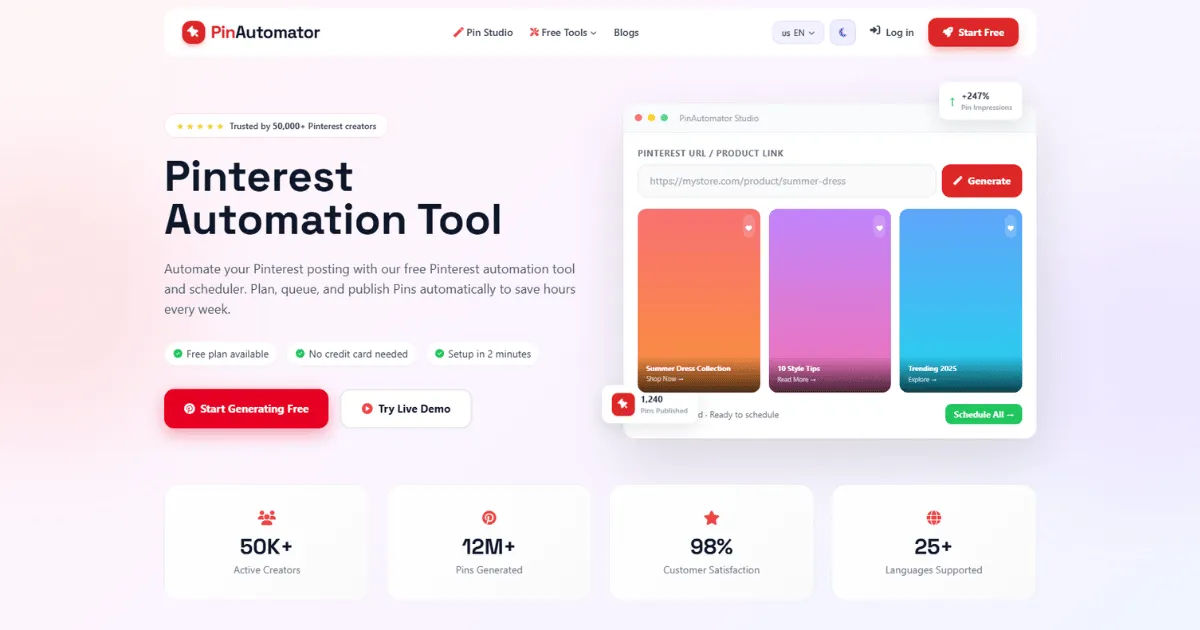 However, managing Pinterest manually can become difficult when a blogger has many articles, multiple boards, and other marketing responsibilities. This is where a Pinterest Scheduler can make a major difference.
A Pinterest Scheduler allows bloggers to plan and organize their content in advance. Instead of creating and publishing every Pin manually, bloggers can prepare content ahead of time and schedule it to appear at selected dates and times. This approach can save valuable time while creating a more consistent Pinterest presence.
Using a Pinterest Scheduler is not simply about automating repetitive tasks. It can also help bloggers build a more organized content distribution strategy. With careful planning, bloggers can share older articles, promote new posts, test different visuals, and maintain regular activity without spending hours on Pinterest every day.
For bloggers who want to grow their audience through Pinterest, scheduling can become an important part of a broader content marketing strategy. It gives creators more control over when and how their content is distributed while allowing them to focus on writing, research, SEO, and community building.
What Is a Pinterest Scheduler?
A Pinterest Scheduler is a tool or platform that allows users to plan Pinterest content in advance. Instead of publishing Pins immediately, a blogger can create or upload a Pin, select a destination board, choose a date and time, and schedule the content for future publication.
The basic concept is simple. A blogger creates several pieces of Pinterest content and organizes them into a publishing schedule. The scheduler then publishes the selected content according to that plan.
For example, imagine a blogger publishes three new articles every week. Without scheduling, the blogger may need to remember to create Pins and publish them manually throughout the week. With scheduling, the blogger can prepare several Pins during one focused session and arrange them to be published over several days or weeks.
This creates a more structured workflow.
A scheduler can also be useful for bloggers with large content libraries. A website that has hundreds of evergreen articles may have many opportunities to generate traffic from Pinterest. Instead of promoting only the newest articles, a blogger can schedule older, relevant content throughout the year.
The goal is not to publish content randomly. The goal is to create a consistent and thoughtful distribution system.
Why Is Pinterest Important for Bloggers?
Pinterest is different from many traditional social media platforms because users often visit it with an intention to discover ideas, solutions, products, tutorials, recipes, designs, and information.
This makes Pinterest particularly interesting for bloggers.
A user searching for meal ideas may discover a food blog. Someone planning a home renovation may find a design article. A person looking for travel inspiration may click on a travel guide. A student searching for study tips may discover an educational blog.
In many cases, a Pin acts as a visual entry point to a blog post.
When someone clicks a Pin, they may be taken directly to the blogger's website. This can turn Pinterest into a source of referral traffic. If the article provides a valuable experience, the visitor may explore additional pages, subscribe to an email list, or become a returning reader.
However, achieving these results usually requires consistency.
Publishing one Pin occasionally may not be enough to build momentum. Bloggers often need a reliable system for creating and distributing content. This is one reason scheduling tools can be valuable.
Why Should Bloggers Use a Pinterest Scheduler?
The biggest reason bloggers should use a Pinterest Scheduler is efficiency.
Blogging involves many responsibilities. Writers need to research topics, create content, optimize articles for search engines, design graphics, respond to readers, manage email marketing, and monitor website performance.
Adding manual Pinterest management to this workload can become overwhelming.
Scheduling allows bloggers to handle Pinterest content in batches. Instead of opening Pinterest several times every day, a blogger can dedicate a specific period to planning upcoming content.
This can make the entire workflow more manageable.
Another major benefit is consistency. A regular publishing schedule helps bloggers maintain an active presence. Even when a blogger is busy writing a major article or taking a short break, previously scheduled content can continue to be published.
Scheduling also makes it easier to plan around important dates and seasonal topics. A travel blogger can prepare summer vacation content in advance. A food blogger can schedule holiday recipes before the holiday season begins. A fashion blogger can plan seasonal style content ahead of time.
The scheduler becomes part of the blogger's overall content planning process.
Save Valuable Time
Time is one of the most limited resources for bloggers.
Many bloggers work alone. They may be responsible for writing, editing, photography, graphic design, SEO, promotion, and technical maintenance. Manually managing every social media channel can consume hours that could otherwise be spent improving the website.
A Pinterest Scheduler helps reduce repetitive work.
Instead of publishing each Pin individually, bloggers can prepare multiple pieces of content during one session. Once the schedule is organized, the tool handles the publishing process according to the selected plan.
For example, a blogger might spend two hours on a Monday creating and scheduling Pins for the next two weeks. After that, the blogger can focus on writing new articles or improving existing content.
This does not eliminate the need for Pinterest management. Bloggers still need to review performance, create quality content, and adjust their strategy. However, it can reduce the amount of repetitive manual work involved.
Over time, even small time savings can become significant.
Maintain a Consistent Publishing Schedule
Consistency is important for content marketing.
A blogger who publishes randomly may struggle to build a predictable content distribution routine. Some days may have several Pins, while other days may have none. A scheduling tool can help create a more balanced publishing pattern.
The purpose of consistency is not to overwhelm users with content.
Instead, it is about maintaining a steady presence and giving useful content regular opportunities to be discovered.
A Pinterest Scheduler makes this easier by allowing bloggers to plan content in advance.
For example, a blogger could create a weekly schedule that includes new articles, older evergreen posts, seasonal content, and educational resources. Each category can have a place in the publishing calendar.
This approach can make Pinterest activity more intentional.
Promote New Blog Posts Efficiently
Publishing a new blog post is only the beginning.
After an article goes live, the blogger needs to promote it. Pinterest can be part of this promotional process.
A blogger can create a Pin for a new article and schedule it for publication shortly after the article is published. Additional Pins with different designs or descriptions may be planned for later dates when appropriate.
This creates multiple opportunities for the article to reach Pinterest users.
For example, a blogger publishing a guide about home organization could create several visual approaches to promote the same article. One Pin might highlight practical organization tips, another might focus on small-space storage, and another might emphasize the main benefit of the guide.
Each Pin can appeal to a slightly different search intent or audience interest.
Scheduling these promotional efforts can help bloggers avoid relying on one single publishing moment.
Keep Evergreen Content Working Longer
One of the greatest advantages of blogging is that good content can remain useful for a long time.
An article published six months ago may still provide value today. A comprehensive tutorial, recipe, travel guide, or educational article can continue attracting visitors long after its original publication date.
However, older content can become invisible if it is never promoted.
A Pinterest Scheduler can help bloggers bring evergreen content back into their content distribution strategy.
Instead of focusing exclusively on new posts, bloggers can create a balanced schedule that includes older articles. This gives valuable content additional opportunities to be discovered.
For example, a blogger with 200 articles could identify 50 evergreen posts that remain relevant. Those articles can be reviewed, updated when necessary, and incorporated into a Pinterest content calendar.
This approach can help bloggers get more value from work they have already completed.
Plan Content in Advance
Planning is one of the most important advantages of scheduling.
Without a plan, bloggers may decide what to publish at the last minute. This can lead to rushed designs, repetitive content, or inconsistent messaging.
A Pinterest Scheduler allows bloggers to think ahead.
A blogger can create a content calendar based on upcoming blog posts, seasonal trends, holidays, campaigns, and business goals.
For example, a personal finance blogger may plan content around tax season, budgeting, saving money, and financial planning. A gardening blogger may organize content according to planting seasons. A travel blogger may prepare destination guides based on popular travel periods.
Advance planning makes Pinterest content more relevant.
It also allows bloggers to create graphics and descriptions with greater care.
Reduce the Stress of Daily Social Media Management
Managing social media manually can create unnecessary pressure.
Bloggers may feel that they need to check their accounts constantly to make sure something is being published. This can interrupt writing sessions and reduce productivity.
Scheduling can create more freedom.
Once content is planned, bloggers can focus on their primary work without constantly thinking about the next Pin.
This is especially useful for bloggers who publish long-form content. Writing a detailed article can require several hours of concentration. Frequent interruptions for social media tasks can make it harder to maintain that focus.
A scheduled content system allows bloggers to separate content creation from content distribution.
This can improve workflow and reduce mental clutter.
Support Batch Content Creation
Batching is a popular productivity strategy for bloggers.
Instead of switching between unrelated tasks throughout the day, a blogger focuses on one type of work at a time.
For Pinterest marketing, this might mean creating several graphics during one session, writing multiple Pin descriptions during another session, and scheduling everything afterward.
A Pinterest Scheduler works well with this approach.
For example, a blogger can spend one afternoon creating 20 Pin designs for different articles. The next step could be organizing those Pins into a publishing calendar.
This process is often more efficient than creating and publishing one Pin at a time.
Batching also makes it easier to maintain visual consistency. Bloggers can use similar fonts, layouts, and branding elements across a group of designs while still creating enough variation to keep the content visually interesting.
Improve Content Organization
As a blog grows, content management becomes more complicated.
A blogger may have hundreds or thousands of articles. Without an organized system, it can become difficult to remember which posts have been promoted and which ones need additional attention.
Scheduling tools can help bloggers create a structured content distribution system.
Content can be organized around categories, boards, campaigns, seasons, or publication dates.
This organization can make it easier to identify gaps.
For example, a blogger might discover that most of their Pinterest content focuses on new blog posts while older high-quality articles receive little attention. The blogger can then adjust the schedule to include more evergreen content.
Better organization can lead to better decision-making.
Create a Balanced Content Mix
A successful Pinterest strategy does not always need to focus exclusively on new content.
Bloggers can create a balanced mix that includes new articles, evergreen resources, seasonal posts, tutorials, guides, list articles, and other valuable content.
A scheduling tool makes this easier to manage.
For example, a weekly content plan might include several new articles alongside older evergreen resources. This allows the blogger to promote fresh content while continuing to give established articles visibility.
The exact mix will depend on the blogger's niche and goals.
The important point is to avoid making Pinterest activity completely random.
A structured content mix can make the overall strategy more sustainable.
Make Seasonal Content Easier to Manage
Seasonal content requires timing.
An article about Christmas recipes may be valuable throughout the year, but it becomes particularly relevant during the months leading up to Christmas. Similarly, summer travel content may be most useful before people begin planning vacations.
A Pinterest Scheduler can help bloggers prepare seasonal campaigns early.
Instead of waiting until the last minute, bloggers can create content months in advance.
This provides time to review articles, update outdated information, create attractive graphics, and schedule promotional content.
Planning ahead can also reduce competition for the blogger's attention during busy seasons.
When the relevant season arrives, much of the promotional work may already be organized.
Support Different Blogging Niches
Pinterest is relevant to many different types of blogs.
Food bloggers can promote recipes.
Travel bloggers can share destination guides.
Fashion bloggers can showcase style ideas.
Home bloggers can promote decorating projects.
Fitness bloggers can share workout resources.
Business bloggers can publish educational guides.
Personal finance bloggers can share budgeting articles.
The value of scheduling depends partly on the blogger's audience and content type, but the basic principle remains the same: useful content needs consistent distribution.
A scheduling system can help bloggers adapt Pinterest marketing to their specific niche.
Help Bloggers Focus on Strategy Instead of Repetition
Manual publishing can cause bloggers to spend too much time on repetitive tasks.
Scheduling moves some of that work into the background.
This allows bloggers to spend more time thinking about strategy.
Instead of constantly asking, "What should I publish today?" bloggers can focus on bigger questions.
Which articles attract the most traffic?
Which topics generate the most engagement?
Which Pin designs receive the most clicks?
Which boards are most relevant to specific content categories?
Which types of articles perform best?
These questions are more valuable than simply publishing content without evaluating results.
Scheduling can therefore support a more strategic approach to Pinterest marketing.
Make Content Promotion More Scalable
A small blog may begin with a few articles and a simple Pinterest routine.
As the website grows, the amount of content increases.
Eventually, manually managing every promotional task can become difficult.
A Pinterest Scheduler can help create a system that scales with the blog.
When a blogger publishes 10 articles per month, scheduling can help manage the promotional workload. When the blog grows to 30 or 50 articles per month, an organized scheduling system becomes even more useful.
Scalability is particularly important for bloggers who want to turn their websites into businesses.
The goal is to build systems that continue working as the workload increases.
Improve Workflow for Teams
Scheduling is not only useful for individual bloggers.
It can also help blogging teams.
A website may have writers, editors, designers, SEO specialists, and social media managers. When multiple people contribute to the content process, organization becomes essential.
A scheduling system can create a clear workflow.
Once an article is approved, the relevant Pinterest graphics can be created. After the graphics are ready, the content can be added to the publishing calendar.
This reduces confusion and makes responsibilities easier to manage.
Teams can also plan campaigns around product launches, seasonal events, or major content updates.
Use Analytics to Improve Pinterest Strategy
Scheduling should not be treated as a "set it and forget it" system.
Successful bloggers should regularly review performance.
Analytics can help reveal which content attracts attention and drives website visits.
For example, a blogger may discover that practical tutorials perform better than general articles. Another blogger may find that certain visual styles generate more clicks.
These insights can influence future content decisions.
If a specific topic consistently performs well, the blogger may create more content around that subject. If a certain Pin format performs poorly, the blogger can experiment with different designs.
The scheduling process becomes more effective when it is connected to data.
Test Different Pin Designs
One advantage of planning content in advance is that bloggers can experiment.
A single blog post can sometimes be promoted using different visual approaches.
One design may use a large headline. Another may focus on a specific benefit. A third may highlight a question that the article answers.
Testing different approaches can help bloggers understand what attracts their audience.
However, experimentation should be thoughtful.
The goal is not to create dozens of nearly identical Pins without purpose. Instead, bloggers should test meaningful variations and evaluate their performance over time.
A Pinterest Scheduler can make this testing process easier to organize.
Avoid Over-Reliance on Automation
Although scheduling offers many benefits, bloggers should not rely entirely on automation.
Automation can handle timing and repetitive publishing tasks, but it cannot replace human judgment.
Bloggers still need to create useful content, write accurate descriptions, choose relevant boards, and monitor performance.
They should also review their strategy regularly.
A scheduler should be viewed as a productivity tool rather than a replacement for thoughtful marketing.
The best results usually come when automation supports a strong content strategy.
Choose the Right Pinterest Scheduler
Not every scheduling tool will be suitable for every blogger.
The right choice depends on the blogger's needs, budget, publishing frequency, and level of experience.
Before choosing a tool, bloggers should consider how easy it is to use.
A complicated platform may create more work instead of reducing it.
The scheduling process should ideally be straightforward, allowing users to create content, select boards, choose dates, and manage their publishing calendar efficiently.
Bloggers should also consider analytics and reporting features.
Understanding performance can be valuable when improving a Pinterest strategy.
Another important consideration is reliability. A scheduling platform should provide dependable publishing functionality and fit naturally into the blogger's existing workflow.
Create a Pinterest Content Calendar
A content calendar can make scheduling much more effective.
The calendar does not need to be complicated.
It can simply identify which articles will be promoted, when they will be scheduled, and which content categories they belong to.
Bloggers can organize their calendars around weekly or monthly themes.
For example, a lifestyle blog might focus on productivity during one week, home organization during another, and wellness during the next.
A content calendar also makes it easier to plan seasonal content.
The more organized the system becomes, the easier it is to maintain consistency.
Refresh Old Blog Posts Before Promoting Them
Before scheduling an older article, bloggers should check whether the content is still accurate.
Old statistics may need updating.
Broken links should be repaired.
Outdated recommendations may need to be replaced.
Images may need improvement.
The article should still provide a good experience for readers.
Promoting outdated content can hurt credibility. Therefore, bloggers should use scheduling as an opportunity to review their content library.
Refreshing old content can improve its value before it receives renewed promotion.
Create High-Quality Visual Content
Scheduling cannot compensate for poor content.
Pinterest is highly visual, so bloggers should pay attention to the quality of their graphics.
A good Pin should communicate its value quickly.
The design should be easy to understand, visually appealing, and relevant to the linked article.
Text should remain readable, especially on mobile devices.
Branding can also help create recognition. Bloggers may use consistent design elements across their graphics while varying layouts enough to keep content fresh.
The goal is to create visuals that encourage users to stop, understand the topic, and consider visiting the website.
Write Useful Pin Descriptions
Visual design is important, but written information also matters.
Descriptions should clearly explain what the linked content offers.
A blogger should avoid writing vague descriptions that provide little context.
Instead, the description can communicate the main benefit of reading the article.
Relevant keywords can also help users discover content through search.
However, descriptions should sound natural.
The priority should be helping users understand the content rather than filling descriptions with unnecessary keywords.
Avoid Excessive or Repetitive Publishing
Scheduling makes it easy to publish large amounts of content.
That does not mean bloggers should publish everything at once.
Excessive repetition can reduce the quality of the overall Pinterest presence.
A better approach is to create a balanced schedule.
Bloggers should consider the relevance of each Pin, the quality of the content, and the experience of their audience.
Scheduling should improve consistency, not encourage careless publishing.
Quality remains more important than simply increasing volume.
How a Pinterest Scheduler Can Support Long-Term Growth
Blogging growth usually does not happen overnight.
It requires consistent publishing, strong content, effective promotion, and continuous improvement.
A Pinterest Scheduler can support this long-term process by making content distribution more manageable.
Over several months, a blogger may build a large collection of scheduled content. This can create a more consistent presence and help valuable articles receive continued exposure.
The real benefit is not one scheduled Pin.
It is the system created over time.
When scheduling becomes part of a blogger's regular workflow, content promotion becomes less dependent on daily motivation or free time.
This can make marketing more sustainable.
Common Mistakes Bloggers Should Avoid
One common mistake is assuming that scheduling alone will generate traffic.
A scheduler is a tool. It does not guarantee success.
Another mistake is publishing low-quality content simply to maintain activity.
Bloggers should prioritize useful articles and attractive visuals.
Ignoring analytics is another problem.
Without reviewing performance, it is difficult to know whether the strategy is working.
Some bloggers also make the mistake of never updating their strategy. Pinterest trends, audience interests, and content performance can change.
Regular evaluation is essential.
Finally, bloggers should avoid completely abandoning manual involvement. Scheduling can reduce repetitive work, but human oversight remains important.
A Simple Pinterest Scheduling Workflow for Bloggers
A practical workflow can make the process easier.
First, identify the blog posts that deserve promotion.
Next, review those articles and update any outdated information.
Then create high-quality Pinterest graphics that match the topic.
Write clear descriptions that explain the value of each article.
After that, organize the content according to relevant boards and publishing dates.
Once everything is scheduled, monitor performance regularly.
The final step is optimization.
Use performance data to determine which topics, designs, and content formats deserve more attention.
This creates a continuous cycle of planning, publishing, measuring, and improving.
Who Benefits Most From a Pinterest Scheduler?
Almost any blogger can benefit from scheduling, but it may be especially valuable for certain types of creators.
High-volume bloggers often benefit because they have large amounts of content to manage.
Full-time bloggers can use scheduling to create more efficient workflows.
Part-time bloggers may find it useful because they have limited hours available for marketing.
New bloggers can also benefit by developing good content distribution habits from the beginning.
Bloggers managing multiple websites may find scheduling particularly helpful because it can simplify the process of organizing content across different projects.
The main question is not whether a blogger is large or small.
The more important question is whether the blogger needs a more organized way to manage Pinterest content.
How to Get the Most From a Pinterest Scheduler
The best way to use a Pinterest Scheduler is to combine it with a strong content strategy.
Start with high-quality blog posts.
Create useful and visually appealing Pins.
Build a realistic publishing schedule.
Include both new and evergreen content.
Plan seasonal topics ahead of time.
Review analytics regularly.
Experiment with different designs and topics.
Update the strategy when performance data suggests a change is necessary.
Most importantly, remain focused on the audience.
The purpose of scheduling is not simply to publish more content. It is to make it easier for the right people to discover valuable content.
Conclusion
Blogging requires much more than writing excellent articles. A blogger can spend hours researching, writing, editing, and optimizing a post, but the content still needs to be promoted effectively. Pinterest can provide bloggers with an opportunity to connect their articles with people actively searching for ideas, information, inspiration, and solutions. However, managing Pinterest manually can become difficult as a blog grows.
A Pinterest Scheduler can help solve this challenge by making content distribution more organized and efficient. Instead of repeatedly handling the same publishing tasks throughout the week, bloggers can prepare their content in advance and create a structured schedule. This saves time, reduces repetitive work, and allows bloggers to focus more attention on writing and improving their websites.
One of the strongest benefits of scheduling is consistency. Bloggers can maintain a regular Pinterest presence even when they are busy with other responsibilities. They can also promote new articles while continuing to give older evergreen content opportunities to attract visitors. This is particularly valuable for bloggers with large content libraries because high-quality articles do not have to disappear simply because they are no longer new.
Scheduling also supports better planning. Bloggers can organize content around seasons, holidays, campaigns, and publishing goals. They can create Pins in batches, test different visual approaches, and use analytics to understand what their audience responds to most effectively.
However, scheduling should not be confused with a complete marketing strategy. A tool cannot replace high-quality content, thoughtful design, audience research, or performance analysis. Bloggers still need to create valuable articles, choose relevant topics, monitor results, and make adjustments when necessary.
The most effective approach is to use scheduling as part of a broader content marketing system. When bloggers combine quality content with consistent promotion, strong visuals, strategic planning, and regular analysis, they can create a more sustainable approach to Pinterest marketing.
Ultimately, the main reason bloggers should use a Pinterest Scheduler is simple: it helps turn Pinterest promotion from a daily repetitive task into a manageable and organized process. By planning content ahead of time, bloggers can save valuable hours, maintain consistency, promote their content more effectively, and build a stronger long-term strategy.
For bloggers who want to grow their websites, increase content visibility, and make better use of their available time, scheduling can be a practical and valuable addition to their workflow. The tool itself is not the entire solution, but when used thoughtfully, it can make content promotion easier, more consistent, and more scalable.