

When decorating a home, many people focus on furniture, paint colors, and lighting. However, one design element that is often overlooked is vertical art for wall décor. The right artwork can completely transform how a room feels, making it appear brighter, more inviting, and even larger than it actually is.
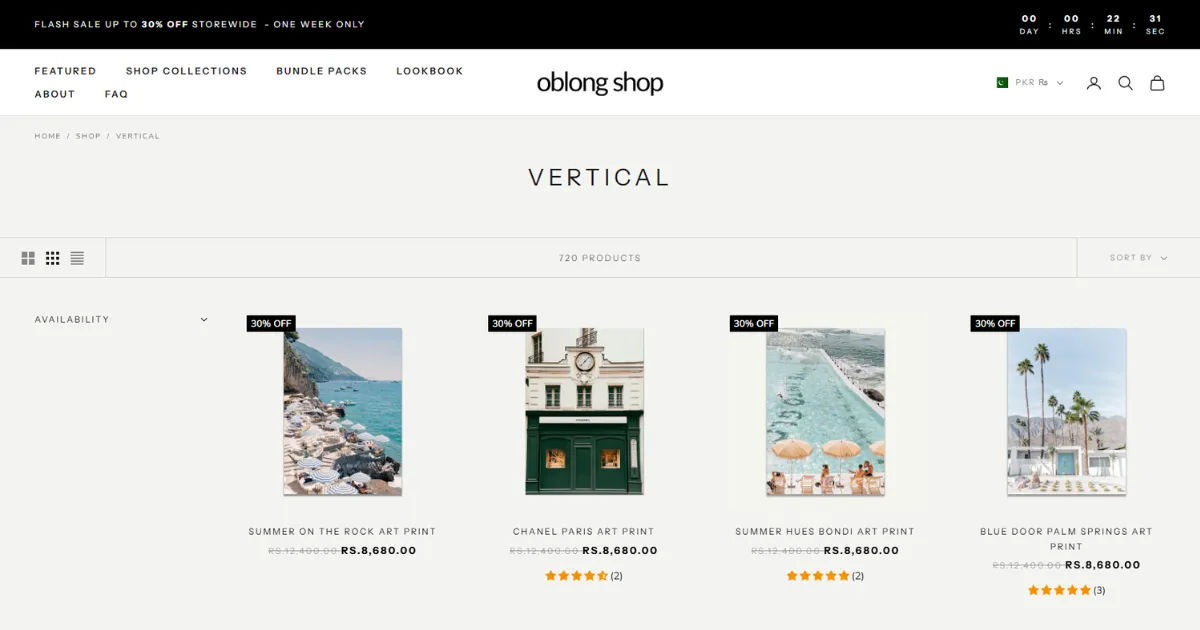
One of the biggest advantages of vertical artwork is its ability to draw the eye upward, creating the illusion of higher ceilings and a more spacious interior.Whether you live in a compact apartment, a modern townhouse, or a traditional family home, choosing vertical art for wall displays can enhance your interior design while improving the visual proportions of your space. This guide explains why vertical artwork creates this effect, where it works best, how to choose the right pieces, and common mistakes to avoid.
Why Vertical Artwork Changes the Perception of Space
Interior designers often rely on visual illusions to improve the appearance of a room. Just as vertical stripes can make someone appear taller, vertically oriented artwork encourages the eye to travel upward.
When people enter a room, their eyes naturally follow strong visual lines. Vertical artwork creates these lines, shifting attention from the room's width toward its height. As a result, ceilings seem higher and the room feels more open.
This technique is especially useful in homes with lower ceilings or limited square footage.
How the Human Eye Responds to Vertical Design
The human brain constantly interprets shapes, lines, and proportions. Vertical elements naturally communicate height and elegance.
A tall piece of artwork provides a visual pathway that guides attention from floor level toward the ceiling. Instead of focusing on the room's boundaries, viewers perceive a greater sense of openness.
This simple psychological effect explains why many professional designers recommend vertical compositions when decorating smaller interiors.
Why Vertical Art Works Better Than Horizontal Art in Small Rooms
Horizontal artwork emphasizes width. While this works well in large rooms, it can make compact spaces feel shorter.
Vertical artwork offers several advantages:
-
Creates the illusion of taller ceilings.
-
Makes narrow walls appear more balanced.
-
Adds elegance without overwhelming the room.
-
Improves visual flow.
-
Enhances architectural proportions.
This does not mean horizontal art should never be used. Instead, vertical pieces are usually the better choice when increasing the perception of height is the primary goal.
Best Rooms for Vertical Art
Living Room
The living room is one of the most effective places for tall artwork.
Place a large vertical canvas above a sofa or beside a fireplace to create an impressive focal point. This naturally encourages guests to look upward instead of across the room.
Tall botanical prints, abstract paintings, and modern landscapes all work beautifully.
Bedroom
Bedrooms benefit from a calm, elegant atmosphere.
A tall canvas placed above the headboard or on an adjacent wall creates symmetry while making the ceiling feel higher.
Soft colors and simple designs contribute to a relaxing environment.
Entryway
Entryways are often narrow and have limited decorating space.
Vertical artwork makes these compact areas feel more welcoming while creating a strong first impression.
A single tall canvas can completely transform a hallway.
Dining Room
Dining rooms often feature blank walls that need visual interest.
A carefully chosen vertical artwork arrangement adds sophistication without making the room feel crowded.
It also complements pendant lighting and tall dining furniture.
Home Office
Productive workspaces benefit from organized, uncluttered designs.
Vertical artwork adds personality while helping the office appear larger and brighter.
Minimalist designs often work best in professional environments.
Choosing the Right Size
Selecting the proper size is just as important as choosing the artwork itself.
Artwork that is too small loses its visual impact.
Artwork that is too large may dominate the room.
As a general guideline:
-
Large walls require oversized vertical pieces.
-
Medium walls work well with standard canvases.
-
Narrow walls benefit from slim, tall artwork.
-
Gallery arrangements should maintain consistent spacing.
Proper scale keeps the room balanced.
The Importance of Color
Color influences how spacious a room feels.
Light colors reflect more light, creating openness.
Popular choices include:
-
White
-
Beige
-
Soft gray
-
Sky blue
-
Sage green
-
Cream
Dark artwork can also work if surrounded by lighter walls and adequate lighting.
Contrast creates visual interest while maintaining balance.
Patterns That Enhance Height
Certain artistic styles naturally reinforce vertical movement.
Popular examples include:
Botanical Prints
Tall flowers, bamboo, palm leaves, and trees naturally emphasize height.
Architectural Photography
Images of skyscrapers, towers, staircases, and columns reinforce upward movement.
Abstract Designs
Vertical brush strokes create energy and sophistication.
Waterfalls
The flowing movement from top to bottom enhances vertical perception.
Forest Landscapes
Tall trees naturally encourage the eye to move upward.
Frame Selection Matters
Frames influence the overall appearance of artwork.
Thin frames create a clean, modern aesthetic.
Wood frames add warmth.
Metal frames offer contemporary elegance.
Avoid overly bulky frames in small rooms because they may reduce the artwork's visual impact.
Placement Tips
Correct placement makes a significant difference.
Artwork should generally be positioned at eye level while remaining proportional to surrounding furniture.
If hanging above furniture:
-
Leave several inches of space between furniture and artwork.
-
Center the piece.
-
Ensure it does not appear too close to the ceiling.
Tall artwork placed near corners can also visually stretch wall height.
Can Multiple Vertical Pieces Work?
Absolutely.
A gallery wall featuring several vertically oriented pieces creates movement and visual interest.
Maintain consistent spacing between frames.
Choose a unified color palette.
Avoid overcrowding.
The arrangement should feel organized rather than chaotic.
Lighting Enhances the Effect
Lighting plays a major role in highlighting artwork.
Consider:
-
Wall sconces
-
Picture lights
-
Adjustable ceiling spotlights
-
Natural daylight
Good lighting emphasizes texture, color, and height.
Poor lighting reduces the overall impact.
Common Mistakes to Avoid
Choosing Tiny Artwork
Small artwork gets lost on large walls.
Always choose artwork proportional to the available space.
Hanging Artwork Too Low
Artwork placed too low interrupts the upward visual flow.
Proper positioning improves the illusion of height.
Overcrowding the Wall
Too many decorative pieces create visual clutter.
Allow artwork room to breathe.
Ignoring Color Balance
Bright artwork on dark walls may overwhelm the space.
Balance colors carefully.
Using Only Horizontal Pieces
If every artwork is horizontal, the room loses opportunities to create visual height.
Mix orientations where appropriate.
Combining Vertical Artwork with Other Design Elements
Artwork performs even better when paired with complementary design features.
Examples include:
-
Tall mirrors
-
Floor lamps
-
Long curtains
-
Bookshelves
-
Indoor plants
-
Vertical wood panels
These elements reinforce the same upward movement created by the artwork.
Minimalist Interiors
Minimalist spaces often rely on fewer decorative items.
A single oversized vertical artwork becomes a statement piece without adding clutter.
Simple compositions with neutral colors fit perfectly into contemporary homes.
Traditional Interiors
Classic homes also benefit from vertical artwork.
Choose framed oil paintings, floral arrangements, landscapes, or architectural scenes.
Rich wood frames pair beautifully with traditional furniture.
Modern Homes
Modern interiors often feature clean lines and open layouts.
Large abstract canvases complement these spaces exceptionally well.
Black-and-white artwork remains a timeless option.
Apartments and Condos
Smaller living spaces require smart decorating choices.
Vertical artwork maximizes visual space without occupying valuable floor area.
It delivers style while maintaining functionality.
Rental Homes
Renters can also enjoy the benefits of vertical artwork.
Lightweight canvases, adhesive hanging systems, and removable wall hooks allow stylish decorating without damaging walls.
Budget-Friendly Options
Creating a taller-looking room does not require expensive artwork.
Affordable choices include:
-
Printable digital art
-
DIY canvas paintings
-
Framed photography
-
Local artist prints
-
Canvas reproductions
-
Minimalist line art
The visual effect depends more on size, placement, and orientation than on price.
Interior Design Trends
Vertical artwork continues to grow in popularity because it suits many decorating styles.
Current trends include:
-
Neutral abstract art
-
Botanical themes
-
Earth-tone color palettes
-
Textured canvases
-
Oversized minimalist prints
-
Nature-inspired artwork
These trends combine timeless appeal with practical design benefits.
Does Vertical Artwork Really Make Rooms Look Taller?
Yes. While vertical artwork cannot physically change ceiling height, it can significantly influence how a room is perceived. Interior designers have long used visual techniques to improve spatial perception, and vertically oriented artwork is one of the most effective methods.
When paired with appropriate lighting, thoughtful placement, balanced colors, and complementary décor, vertical pieces create an elegant sense of openness. The eye naturally follows the artwork upward, making ceilings appear higher and rooms feel larger and more refined.
Conclusion
Choosing the right artwork is about more than decorating empty walls. It is an opportunity to shape how a room feels and functions. Vertical artwork offers one of the simplest yet most effective ways to create the illusion of greater height without expensive renovations. By selecting the right size, colors, placement, and style, homeowners can transform ordinary rooms into spaces that appear brighter, taller, and more welcoming.
Whether you prefer modern abstract designs, botanical prints, architectural photography, or classic paintings, incorporating vertical art for wall décor into your home can elevate your interior while improving visual balance. Thoughtful design decisions often produce the greatest impact, and vertical artwork remains a timeless choice for creating elegant, spacious-looking interiors.