

An abnormal urine test can feel worrying, especially if you were not expecting anything unusual. However, it is important to understand that “abnormal” does not always mean something serious.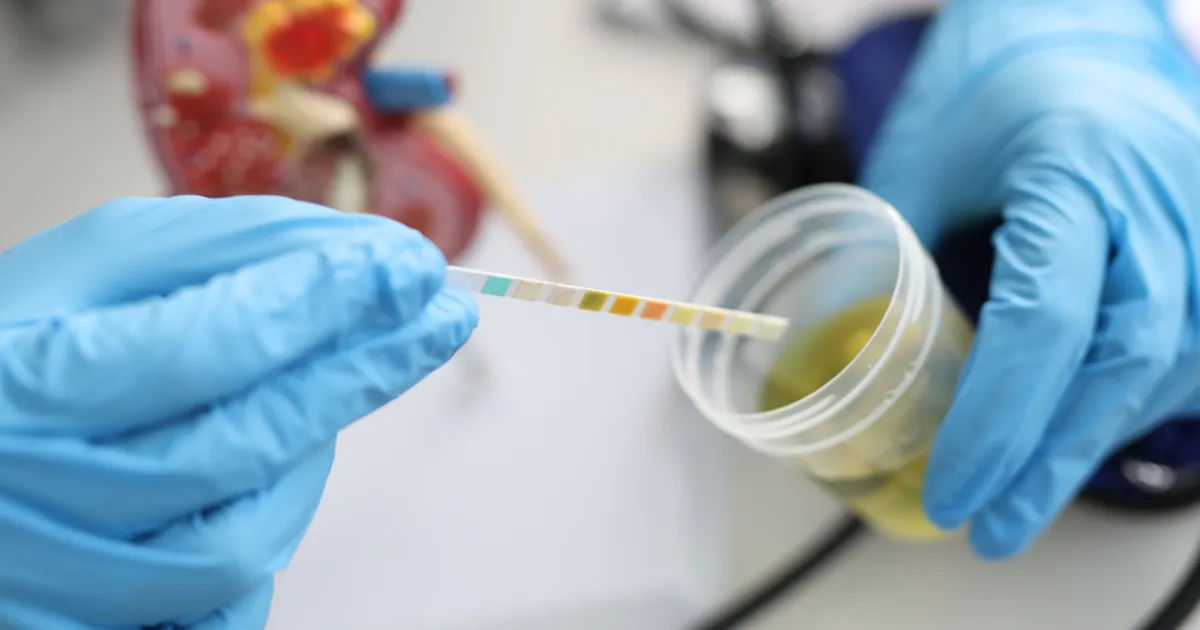
Urine tests (urinalysis) are sensitive and can change due to many harmless, temporary, or medical reasons, including can you freeze urine for a drug test. This guide explains what abnormal results mean, what causes them, and when you should be concerned.
What Is a Urine Test?
A urine test, also called urinalysis, is a common medical test used to check overall health. It looks at:
- Physical appearance (color, clarity)
- Chemical composition (glucose, protein, ketones, pH)
- Microscopic content (cells, bacteria, crystals)
Doctors use urine tests to detect infections, kidney problems, diabetes, and many other conditions.
What Does “Abnormal Urine Test” Mean?
An abnormal urine test simply means that one or more values in your urine sample fall outside the normal range.
This does NOT automatically mean disease. It could be due to:
- Temporary body changes
- Diet or hydration level
- Exercise
- Medications
- Infection or illness
The meaning depends on which marker is abnormal.
Common Reasons for Abnormal Urine Results
1. Dehydration
One of the most common causes of abnormal urine is dehydration.
When you do not drink enough water:
- Urine becomes darker
- Concentration of substances increases
- Protein or ketones may appear slightly elevated
Even mild dehydration can temporarily change results.
2. Urinary Tract Infection (UTI)
A UTI is a major cause of abnormal urine tests, especially in women.
Signs may include:
- Burning sensation when urinating
- Frequent urination
- Cloudy or strong-smelling urine
Urine tests may show:
- White blood cells
- Bacteria
- Nitrites
- Blood traces
3. Kidney Issues
Kidneys filter waste from the blood. When they are not functioning properly, urine tests may show abnormalities such as:
- Protein in urine (proteinuria)
- Blood in urine (hematuria)
- Abnormal creatinine levels
Possible causes include:
- Kidney infection
- Kidney stones
- Chronic kidney disease
4. High Blood Sugar (Diabetes)
If blood sugar levels are too high, glucose can appear in urine.
This may indicate:
- Undiagnosed diabetes
- Poorly controlled diabetes
Other signs may include:
- Frequent urination
- Excessive thirst
- Fatigue
5. Diet and Lifestyle Factors
What you eat and how you live can temporarily affect urine test results.
Examples include:
- High-protein diets increasing urea levels
- Asparagus causing strong urine odor
- Intense exercise causing temporary protein or blood in urine
These changes are often harmless and short-lived.
6. Medications and Supplements
Some medicines and supplements can alter urine results, such as:
- Antibiotics
- Vitamin C supplements
- Diuretics (water pills)
- Pain medications
Always inform your doctor about any medication you are taking before a test.
7. Physical Exercise
Heavy exercise, especially endurance training, can temporarily affect urine.
It may cause:
- Mild protein leakage
- Small amounts of blood in urine
- Increased ketones due to energy use
This usually resolves within 24–48 hours.
8. Liver Conditions
Certain liver disorders may lead to abnormal urine findings.
Possible signs include:
- Dark urine
- High bilirubin levels
- Changes in urine color
Liver issues often come with symptoms like fatigue, nausea, or yellowing of skin.
9. Pregnancy
Pregnancy can naturally change urine test results due to hormonal and metabolic changes.
Common findings include:
- Mild protein traces
- Increased frequency of urination
- Changes in urine concentration
Doctors monitor urine regularly during pregnancy for safety.
Key Abnormal Findings Explained
Protein in Urine
Protein in urine may suggest:
- Kidney stress or damage
- Infection
- Temporary physical stress
Small amounts are sometimes harmless, especially after exercise.
Blood in Urine
Blood in urine (hematuria) can be caused by:
- UTIs
- Kidney stones
- Menstruation contamination
- Injury or inflammation
Even small traces should be checked if persistent.
Ketones in Urine
Ketones appear when the body burns fat for energy instead of glucose.
This can happen due to:
- Fasting
- Low-carb diets
- Diabetes (if uncontrolled)
White Blood Cells
White blood cells usually indicate infection or inflammation, often from:
- Urinary tract infections
- Kidney infections
pH Imbalance
Urine pH measures acidity or alkalinity.
Changes may be caused by:
- Diet (high meat or vegetable intake)
- Infection
- Metabolic conditions
When Should You Worry?
Not all abnormal results are dangerous. However, you should consult a doctor if:
- Abnormal results persist over multiple tests
- You have pain or burning while urinating
- You see visible blood in urine
- You experience fever or back pain
- You have unexplained fatigue or weight loss
How Doctors Confirm the Cause
If your urine test is abnormal, doctors may:
- Repeat the test
- Order blood tests
- Request imaging (ultrasound or CT scan)
- Check medical history and symptoms
A single abnormal result is usually not enough for diagnosis.
How to Prepare for a Urine Test Properly
To ensure accurate results:
- Drink normal amounts of water (don’t overhydrate)
- Avoid intense exercise before testing
- Inform your doctor about medications
- Follow sample collection instructions carefully
Proper preparation reduces false abnormalities.
Can Abnormal Urine Tests Be Temporary?
Yes, many abnormal results are temporary and resolve on their own. Common temporary causes include:
- Dehydration
- Exercise
- Diet changes
- Minor infections
Doctors often repeat tests before making conclusions.
Prevention Tips for Healthy Urine Results
- Stay hydrated daily
- Maintain balanced diet
- Exercise moderately
- Manage blood sugar levels
- Practice good hygiene
- Get regular medical checkups
These habits support kidney and urinary health.
Conclusion
An abnormal urine test can be concerning, but it is not always a sign of serious illness. Many factors—such as hydration, diet, exercise, and mild infections—can temporarily affect results. Understanding what each abnormal marker means helps reduce anxiety and encourages timely medical follow-up when needed.
The most important step is not to self-diagnose but to consult a healthcare professional who can interpret results in context with symptoms and medical history. In many cases, repeat testing or simple treatment is enough to resolve the issue.
A urine test is a helpful health tool, but it is only one piece of the bigger picture of your overall well-being.