

When planning a new floor coating project, one of the first questions homeowners and business owners ask is how much the installation will cost. An accurate epoxy flooring cost estimate helps property owners understand expenses, compare options, and make informed decisions before work begins. 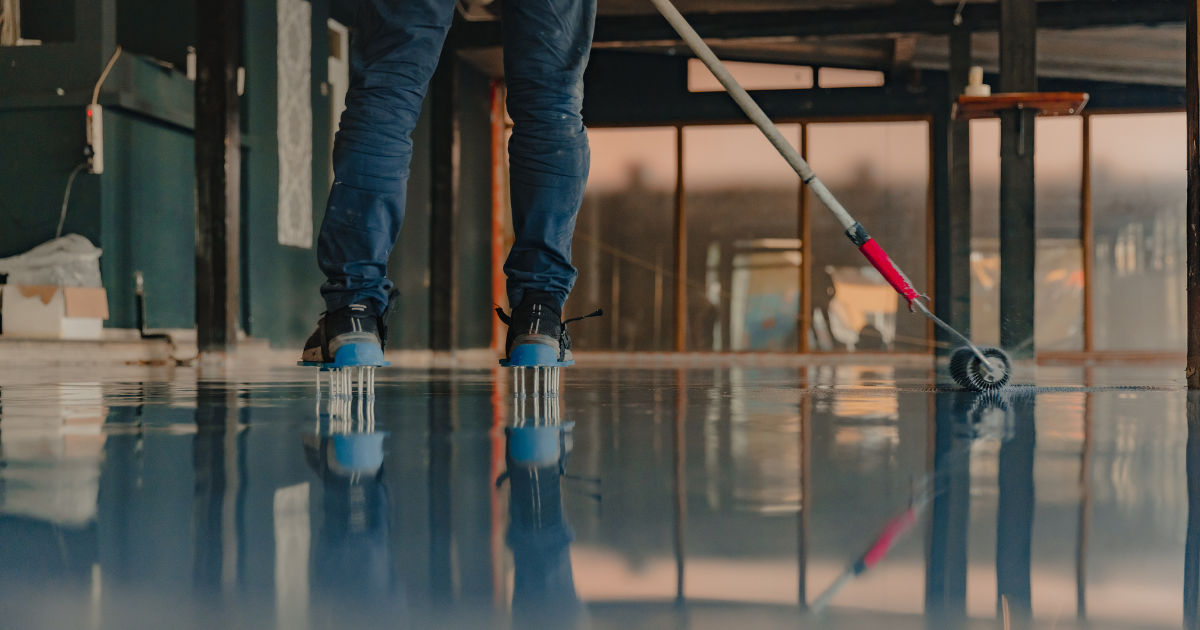 Whether the project involves a residential garage, warehouse, showroom, basement, or industrial facility, a detailed epoxy flooring cost estimate provides a clear picture of materials, labor, preparation requirements, and additional services.
Understanding how professionals prepare an epoxy flooring cost estimate can help you avoid surprises and budget effectively. Many factors influence pricing, including floor size, surface condition, coating type, labor requirements, and customization options. Contractors carefully evaluate each of these elements before presenting a final quote.
This comprehensive guide explains every step involved in creating an epoxy flooring cost estimate, the factors that affect pricing, and what property owners should expect during the estimation process.
Understanding Epoxy Flooring
Epoxy flooring is a durable surface coating created by combining resin and hardener. When these components react, they form a strong, seamless, and attractive surface that can withstand heavy traffic, chemicals, moisture, and wear.
Epoxy flooring is widely used in:
- Residential garages
- Basements
- Commercial kitchens
- Warehouses
- Retail stores
- Manufacturing facilities
- Hospitals
- Educational institutions
Before installation begins, contractors prepare an epoxy flooring cost estimate to determine the project's scope and total investment.
Why an Accurate Estimate Matters
A well-prepared epoxy flooring cost estimate benefits both contractors and customers.
Benefits for Property Owners
Property owners can:
- Plan budgets accurately
- Compare contractor proposals
- Understand project requirements
- Avoid unexpected expenses
- Choose suitable coating options
Benefits for Contractors
Contractors use an epoxy flooring cost estimate to:
- Determine labor needs
- Calculate material quantities
- Schedule project timelines
- Maintain profitability
- Set customer expectations
Accurate estimates create transparency and help projects run smoothly from start to finish.
The Initial Consultation Process
Most epoxy flooring projects begin with an initial consultation.
During this phase, contractors gather important information about the project.
Questions Typically Asked
Contractors may ask:
- What is the size of the area?
- What is the current floor condition?
- What is the intended use of the space?
- Are decorative finishes desired?
- What is the project timeline?
The answers help establish the foundation of the epoxy flooring cost estimate.
Reviewing Customer Goals
Different customers have different priorities.
Some prioritize durability.
Others focus on aesthetics.
Some need chemical resistance or heavy-duty industrial protection.
These goals directly affect the final epoxy flooring cost estimate.
Measuring the Floor Area
One of the most important steps in preparing an estimate is measuring the floor.
Calculating Square Footage
Contractors calculate:
Length × Width = Square Footage
For example:
- 20 feet × 20 feet = 400 square feet
This measurement serves as the starting point for the epoxy flooring cost estimate.
Accounting for Irregular Shapes
Not all floors are perfectly rectangular.
Complex layouts require:
- Multiple measurements
- Area segmentation
- Specialized calculations
Accurate measurements ensure material quantities are correctly included in the epoxy flooring cost estimate.
Inspecting the Existing Concrete
Concrete condition significantly affects project costs.
Surface Assessment
Contractors inspect for:
- Cracks
- Chips
- Pitting
- Moisture issues
- Oil contamination
- Uneven surfaces
Problems discovered during inspection influence the final epoxy flooring cost estimate.
Moisture Testing
Excess moisture can cause epoxy failure.
Many contractors perform moisture testing to determine whether:
- Vapor barriers are needed
- Additional preparation is required
These findings impact pricing.
Evaluating Surface Preparation Requirements
Surface preparation is often one of the most important cost components.
Why Preparation Matters
Epoxy adheres best to properly prepared concrete.
Without preparation, coatings may peel or fail prematurely.
Common Preparation Methods
Preparation may include:
- Grinding
- Shot blasting
- Crack repair
- Degreasing
- Surface leveling
The amount of preparation required directly affects the epoxy flooring cost estimate.
Extensive Repairs
Floors with severe damage may require:
- Concrete patching
- Joint repairs
- Resurfacing
These services increase labor and material costs.
Selecting the Type of Epoxy System
Not all epoxy systems are identical.
The chosen system plays a major role in the estimate.
Standard Epoxy Coatings
Basic epoxy systems are often used in:
- Garages
- Basements
- Storage rooms
They typically have lower installation costs.
Industrial Epoxy Systems
Industrial environments require:
- Greater thickness
- Higher durability
- Chemical resistance
These systems often result in a higher epoxy flooring cost estimate.
Decorative Epoxy Floors
Decorative systems may include:
- Metallic pigments
- Color flakes
- Custom patterns
- High-gloss finishes
Additional materials and labor affect overall pricing.
Determining Material Quantities
Material calculations are a critical step.
Products Included
Contractors estimate quantities for:
- Primer
- Epoxy base coat
- Decorative elements
- Topcoat
- Sealers
Each layer contributes to the total epoxy flooring cost estimate.
Waste Allowances
Professionals often include a waste factor.
This accounts for:
- Application loss
- Surface absorption
- Unexpected requirements
Accurate calculations prevent shortages during installation.
Calculating Labor Costs
Labor often represents a significant portion of project expenses.
Factors Affecting Labor
Labor requirements depend on:
- Floor size
- Surface condition
- Project complexity
- Coating type
- Curing schedules
These variables influence the final epoxy flooring cost estimate.
Crew Size
Large projects may require:
- Multiple installers
- Supervisors
- Equipment operators
Labor expenses increase accordingly.
Project Duration
Longer projects typically result in higher labor costs.
Contractors estimate the number of hours needed to complete each phase.
Considering Equipment Requirements
Specialized equipment is frequently needed for epoxy installations.
Common Equipment
Examples include:
- Floor grinders
- Shot blasters
- Industrial vacuums
- Mixing systems
- Application tools
Equipment expenses are often incorporated into the epoxy flooring cost estimate.
Equipment Rental Fees
If contractors must rent equipment, those costs are typically included in project pricing.
Assessing Accessibility
Site accessibility can influence installation costs.
Easy Access Areas
Ground-level spaces with wide entrances generally cost less to service.
Challenging Access
Additional expenses may arise when dealing with:
- Upper-floor locations
- Tight spaces
- Limited parking
- Restricted access hours
Such factors can affect the final epoxy flooring cost estimate.
Evaluating Environmental Conditions
Environmental conditions play a major role in epoxy application.
Temperature Considerations
Epoxy products perform best within specific temperature ranges.
Extreme temperatures may require:
- Climate control
- Special formulations
- Additional labor
These requirements can increase costs.
Humidity Levels
High humidity can affect curing times.
Contractors account for environmental challenges when preparing the estimate.
Accounting for Decorative Features
Decorative enhancements can transform a basic floor into a premium installation.
Color Flake Systems
Color flakes provide:
- Visual appeal
- Texture
- Improved slip resistance
Adding flakes affects the epoxy flooring cost estimate.
Metallic Epoxy
Metallic epoxy creates unique visual effects.
The process requires:
- Skilled application
- Specialized materials
This often results in higher project costs.
Custom Designs
Logos, patterns, and branding elements add labor and material expenses.
Including Protective Topcoats
Topcoats improve floor performance.
Benefits of Topcoats
Topcoats provide:
- UV resistance
- Scratch protection
- Chemical resistance
- Enhanced longevity
Additional coating layers influence the epoxy flooring cost estimate.
Common Topcoat Options
Popular choices include:
- Polyaspartic coatings
- Polyurethane coatings
- Clear epoxy topcoats
Each option carries different costs.
Estimating Repair Costs
Repairs must often be completed before epoxy installation.
Crack Repair
Cracks can compromise floor appearance and durability.
Repair costs depend on:
- Crack length
- Crack depth
- Repair method
These expenses are included in the estimate.
Surface Leveling
Uneven floors may require leveling compounds.
This additional preparation affects pricing.
Evaluating Safety Requirements
Some environments require additional safety measures.
Slip Resistance
Anti-slip additives may be recommended for:
- Garages
- Commercial kitchens
- Industrial spaces
Adding these features impacts the epoxy flooring cost estimate.
Safety Compliance
Industrial facilities may require compliance with specific regulations.
Meeting these standards can increase project costs.
Understanding Material Quality Differences
Material quality significantly affects pricing.
Economy Products
Budget-friendly products generally offer:
- Lower upfront costs
- Basic performance
Premium Products
Premium systems often provide:
- Greater durability
- Better chemical resistance
- Longer warranties
These advantages can increase the epoxy flooring cost estimate but may provide better long-term value.
Considering Warranty Coverage
Many contractors offer warranties.
Types of Warranties
Coverage may include:
- Material defects
- Installation workmanship
- Adhesion performance
Warranty provisions can influence pricing.
Long-Term Value
A higher estimate may provide better protection and reduced maintenance expenses.
Travel and Transportation Costs
Location affects project expenses.
Local Projects
Nearby installations generally involve lower travel costs.
Remote Projects
Remote locations may require:
- Additional transportation
- Overnight accommodations
- Extended logistics planning
These factors are reflected in the epoxy flooring cost estimate.
Accounting for Project Complexity
Complex projects typically cost more.
Factors Increasing Complexity
Examples include:
- Multiple rooms
- Complex layouts
- Existing coatings
- Heavy equipment movement
Additional challenges increase labor requirements.
Reviewing Existing Coatings
Existing floor coatings may need removal.
Coating Removal Process
Contractors may need to remove:
- Paint
- Old epoxy
- Sealers
- Adhesives
Removal adds labor and equipment costs.
Surface Restoration
After removal, additional preparation may be necessary.
These tasks influence the estimate.
Creating the Final Estimate
Once all information is collected, contractors prepare the final proposal.
Information Included
A professional epoxy flooring cost estimate generally includes:
- Total square footage
- Preparation requirements
- Material specifications
- Labor costs
- Equipment charges
- Timeline
- Warranty details
This document provides a complete overview of the project.
Cost Breakdown
Many contractors separate costs into categories.
Examples include:
- Materials
- Labor
- Repairs
- Decorative upgrades
A detailed breakdown helps customers understand where their money is being spent.
Common Factors That Increase Costs
Several factors can raise the overall estimate.
Extensive Surface Damage
Severely damaged concrete requires more preparation.
Decorative Finishes
Custom designs and metallic effects increase labor and material expenses.
Large Repairs
Major crack repair and leveling work can significantly impact pricing.
Specialized Coatings
Chemical-resistant and industrial-grade coatings generally cost more.
Common Factors That Reduce Costs
Certain conditions can lower project expenses.
New Concrete in Good Condition
Minimal preparation requirements reduce labor costs.
Standard Coating Systems
Basic epoxy systems often cost less than decorative alternatives.
Simple Layouts
Open areas are generally easier and faster to install.
Tips for Comparing Estimates
When reviewing proposals, avoid focusing solely on price.
Examine Materials
Verify:
- Product quality
- Coating thickness
- Topcoat specifications
Review Preparation Methods
Surface preparation greatly impacts performance.
A lower estimate may indicate inadequate preparation.
Compare Warranties
Warranty coverage can provide valuable protection.
Evaluate Experience
Experienced installers often deliver better long-term results.
Questions to Ask Before Accepting an Estimate
Before signing a contract, ask:
- What preparation is included?
- Which products will be used?
- How long will installation take?
- What warranty is provided?
- Are there potential additional charges?
Clear answers help avoid misunderstandings.
How Technology Improves Estimates
Modern technology helps contractors create more accurate pricing.
Digital Measurements
Laser measuring tools improve accuracy.
Project Management Software
Software assists with:
- Material calculations
- Labor forecasting
- Cost tracking
Technology reduces errors in the epoxy flooring cost estimate process.
The Importance of Transparency
Transparency builds trust between contractors and customers.
A detailed estimate should clearly explain:
- Scope of work
- Materials used
- Labor requirements
- Project schedule
The more information provided, the easier it is to make informed decisions.
Conclusion
Preparing an epoxy flooring cost estimate involves far more than simply measuring a floor and assigning a price. Contractors must carefully evaluate the size of the area, concrete condition, preparation requirements, coating system, labor needs, material quantities, environmental conditions, decorative options, equipment usage, and warranty coverage. Every step contributes to the accuracy of the final epoxy flooring cost estimate.
A professional estimate serves as a roadmap for the entire flooring project. It helps property owners understand costs, compare options, and set realistic expectations before installation begins. By knowing how an epoxy flooring cost estimate is prepared, homeowners and business owners can make smarter decisions and ensure they receive a durable, attractive, and long-lasting epoxy floor that delivers excellent value for years to come.