

Hangover IV therapy has become a popular solution for people seeking fast relief from the unpleasant aftereffects of alcohol. Unlike traditional methods like drinking water, coffee, or taking painkillers, hangover IV therapy delivers fluids, vitamins, and electrolytes directly into the bloodstream.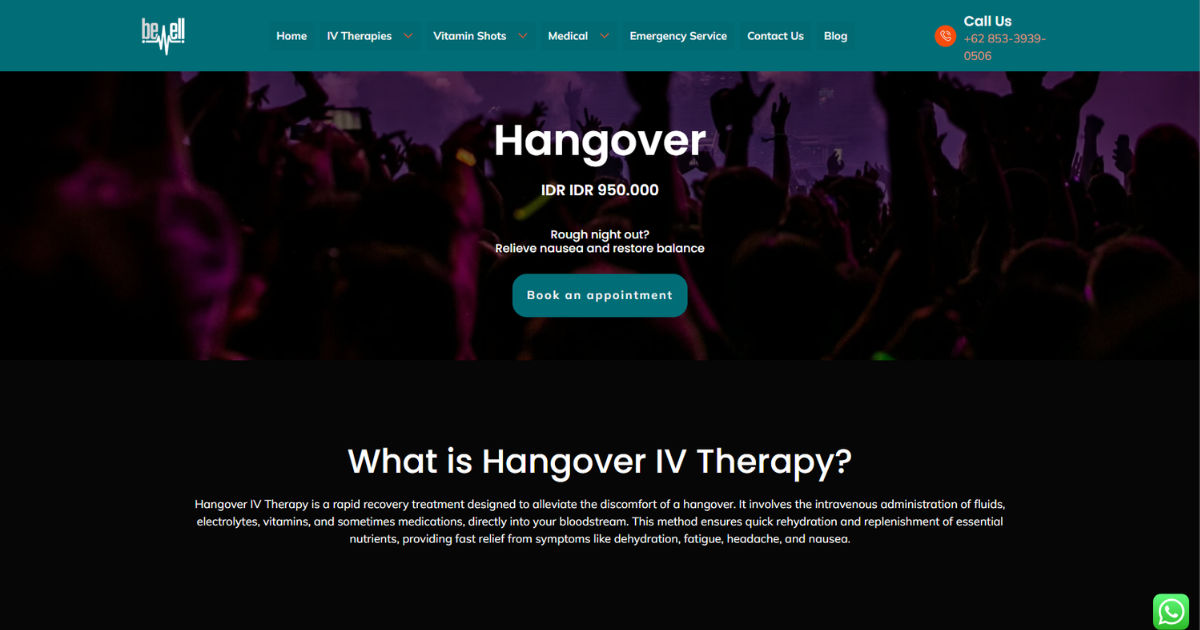
This method allows the body to quickly absorb nutrients and rehydrate, helping relieve common symptoms like headaches, nausea, and fatigue.
Many people who experience severe hangovers often struggle with dehydration, low energy, and digestive discomfort. Hangover IV therapy targets these issues efficiently. By bypassing the digestive system, IV therapy ensures that nutrients reach the cells faster, providing rapid relief that oral remedies cannot match.
How Alcohol Causes Hangovers
To understand how hangover IV therapy works, it’s essential to know what happens in the body after drinking alcohol. Alcohol is a diuretic, meaning it increases urine production. This leads to dehydration, which is a major contributor to hangover symptoms. When the body loses water and electrolytes, it affects the brain, muscles, and other organs, causing headaches, dizziness, and fatigue.
Alcohol also affects blood sugar levels. Drinking heavily can lead to low blood sugar, which may result in weakness, mood swings, and irritability. Additionally, alcohol causes the stomach to produce more acid, which can lead to nausea and stomach discomfort. Finally, alcohol breaks down into acetaldehyde, a toxic substance that contributes to inflammation, headaches, and general malaise.
Hangover IV therapy addresses these physical changes by replenishing fluids, electrolytes, and nutrients that the body loses during alcohol consumption.
Components of Hangover IV Therapy
Hangover IV therapy usually contains a mixture of fluids, vitamins, and electrolytes designed to target the different symptoms of a hangover.
- Fluids: The main component is saline or a similar solution that rehydrates the body quickly. This helps counteract the dehydration caused by alcohol.
- Electrolytes: Sodium, potassium, and magnesium are often included to restore balance and prevent cramps, fatigue, and weakness.
- Vitamins: Commonly added vitamins include B-complex and vitamin C. B vitamins support energy production, while vitamin C helps reduce oxidative stress caused by alcohol.
- Amino acids and antioxidants: Some hangover IV therapies also include compounds like glutathione to help detoxify the liver and reduce inflammation.
These components work together to relieve multiple hangover symptoms simultaneously, offering a faster and more comprehensive recovery than traditional methods.
How Hangover IV Therapy Works in the Body
When someone receives hangover IV therapy, the fluids and nutrients are delivered directly into the bloodstream. This method bypasses the digestive system, allowing the body to absorb nutrients almost immediately.
- Rapid Rehydration: One of the fastest ways to relieve hangover symptoms is through rehydration. Alcohol causes dehydration by making the body lose water through increased urination. IV therapy replenishes fluids quickly, helping restore normal bodily function.
- Electrolyte Balance: Electrolytes help maintain fluid balance, nerve function, and muscle contractions. Alcohol can deplete these essential minerals, causing fatigue and weakness. IV therapy restores electrolyte levels, helping the body regain energy.
- Detoxification Support: Ingredients like glutathione help the liver process acetaldehyde, the toxic byproduct of alcohol metabolism. This reduces inflammation and speeds up recovery.
- Energy Restoration: B vitamins in hangover IV therapy support the conversion of food into energy, helping to reduce fatigue and mental fog.
Because these effects occur rapidly, hangover IV therapy can relieve symptoms in as little as 30 to 60 minutes, depending on the individual and the severity of the hangover.
Benefits of Hangover IV Therapy
Hangover IV therapy offers several advantages over traditional hangover remedies:
- Fast Relief: IV therapy works much faster than drinking water or taking supplements orally because nutrients enter the bloodstream directly.
- Comprehensive Symptom Treatment: Unlike home remedies that may only target one symptom, IV therapy addresses dehydration, electrolyte imbalance, vitamin deficiency, and liver detoxification all at once.
- Customizable Treatments: IV therapy can be tailored to an individual’s needs, adding more vitamins, electrolytes, or amino acids depending on the symptoms.
- Reduced Nausea and Headaches: By replenishing fluids and nutrients, IV therapy often reduces the severity of nausea and headaches more effectively than oral methods.
- Convenient: Many clinics offer mobile services where a professional administers hangover IV therapy at home, making recovery easier and more comfortable.
The Science Behind Hangover IV Therapy
Scientific research on hangover IV therapy is still developing, but there are strong reasons to believe it works. Dehydration, electrolyte imbalance, and vitamin depletion are well-documented causes of hangover symptoms. IV therapy directly targets these issues, delivering fluids and nutrients where they are needed most.
B-complex vitamins, commonly included in hangover IV therapy, are essential for energy metabolism and nervous system function. Vitamin C is an antioxidant that helps reduce oxidative stress caused by alcohol. Electrolytes like potassium and magnesium support muscle function and fluid balance, addressing cramps and fatigue.
Additionally, antioxidants such as glutathione support liver detoxification. When the liver metabolizes alcohol, it produces acetaldehyde, which is toxic and contributes to hangover symptoms. Glutathione helps neutralize this substance, reducing inflammation and supporting overall recovery.
Who Can Benefit from Hangover IV Therapy
Hangover IV therapy is suitable for adults experiencing moderate to severe hangover symptoms. It can benefit:
- People who need rapid recovery for work or social obligations.
- Individuals prone to dehydration or low electrolyte levels.
- Those who experience severe nausea, headaches, or fatigue after drinking.
- People who want a more comfortable and efficient alternative to traditional remedies.
However, hangover IV therapy is not a solution for alcohol abuse or addiction. It should be used as a supportive treatment rather than a preventive measure for excessive drinking.
Typical Hangover IV Therapy Session
A hangover IV therapy session usually takes 30 to 60 minutes. Here’s what typically happens:
- Consultation: A healthcare professional assesses symptoms, hydration levels, and medical history.
- Preparation: The IV bag is prepared with a customized blend of fluids, vitamins, and electrolytes.
- Insertion: A needle is inserted into a vein, usually in the arm or hand.
- Administration: The IV fluid is delivered slowly, ensuring safe and effective absorption.
- Recovery: Most people feel relief within an hour, although some may experience gradual improvement over several hours.
During the session, patients can rest or even nap. Mobile services allow therapy to be administered at home, making it convenient for those unable to visit a clinic.
Safety Considerations
Hangover IV therapy is generally considered safe when administered by trained healthcare professionals. However, there are a few considerations:
- Medical Conditions: People with kidney or heart conditions should consult a doctor before receiving IV therapy.
- Allergies: Some individuals may be sensitive to vitamins or additives used in the IV fluid.
- Overhydration: Administering too much fluid too quickly can cause complications, though this is rare under professional supervision.
By following proper medical protocols, hangover IV therapy remains a low-risk, effective treatment for hangover symptoms.
Limitations of Hangover IV Therapy
While hangover IV therapy is effective, it is not a cure-all. It does not eliminate the negative effects of excessive drinking on the liver, brain, or overall health. It provides symptom relief rather than preventing future hangovers. Additionally, IV therapy can be expensive compared to traditional remedies and is not always covered by insurance.
Hangover IV therapy should also not be used as an excuse for frequent heavy drinking. Maintaining healthy drinking habits, staying hydrated, and eating nutrient-rich foods remain the most important strategies for preventing hangovers.
Alternatives to Hangover IV Therapy
For those who cannot access IV therapy, there are alternative methods to relieve hangover symptoms:
- Oral Hydration: Drinking water, coconut water, or sports drinks helps replenish fluids and electrolytes.
- Balanced Meals: Foods rich in vitamins and minerals, like fruits and vegetables, support recovery.
- Pain Relievers: Over-the-counter medications can help with headaches and muscle aches.
- Rest: Sleep allows the body to heal and restore energy levels.
- Supplements: Oral vitamins, especially B-complex and C, can support recovery.
While these methods are helpful, they often work more slowly than hangover IV therapy and may not fully address severe symptoms.
Conclusion
Hangover IV therapy provides a fast, effective, and comprehensive solution for those suffering from hangover symptoms. By delivering fluids, electrolytes, vitamins, and antioxidants directly into the bloodstream, it addresses dehydration, nutrient depletion, and liver detoxification more efficiently than traditional remedies.
Although IV therapy is not a replacement for healthy drinking habits, it can be a valuable tool for rapid recovery, especially for individuals facing important obligations or severe hangover symptoms. With proper administration by trained professionals, hangover IV therapy is safe and highly effective, offering relief that allows people to feel better and regain energy quickly.
For those struggling with the aftereffects of alcohol, understanding how hangover IV therapy works can empower them to make informed choices about recovery and wellness. While moderation and hydration remain essential, hangover IV therapy represents a modern, science-backed approach to minimizing the unpleasant consequences of drinking.